

If you own Bitcoin, you’ll face the inheritance challenge of ensuring your digital assets are passed on securely when you’re gone. Without proper planning, your heirs might never access your private keys, leading to lost wealth forever. Regulations, security risks, and the complexity of digital assets make it essential to create a clear estate plan now. Learning how to protect and transfer your Bitcoin can save your loved ones from potential difficulties later on.

Get hardware and tech essentials delivered free with Prime
- Fast, free delivery on millions of items
- Prime Video, Amazon Music and more included
- Member-only deals all year
Key Takeaways
- Digital assets like Bitcoin require specialized estate planning to ensure secure transfer after death.
- Lack of proper documentation and access details can cause heirs to lose access or face legal issues.
- Regulatory differences and evolving laws complicate the inheritance process for Bitcoin holders.
- Security measures, such as encrypted storage and trusted access sharing, are essential to protect digital assets.
- Proactive, adaptable planning helps prevent disputes, delays, and the potential loss of digital wealth.
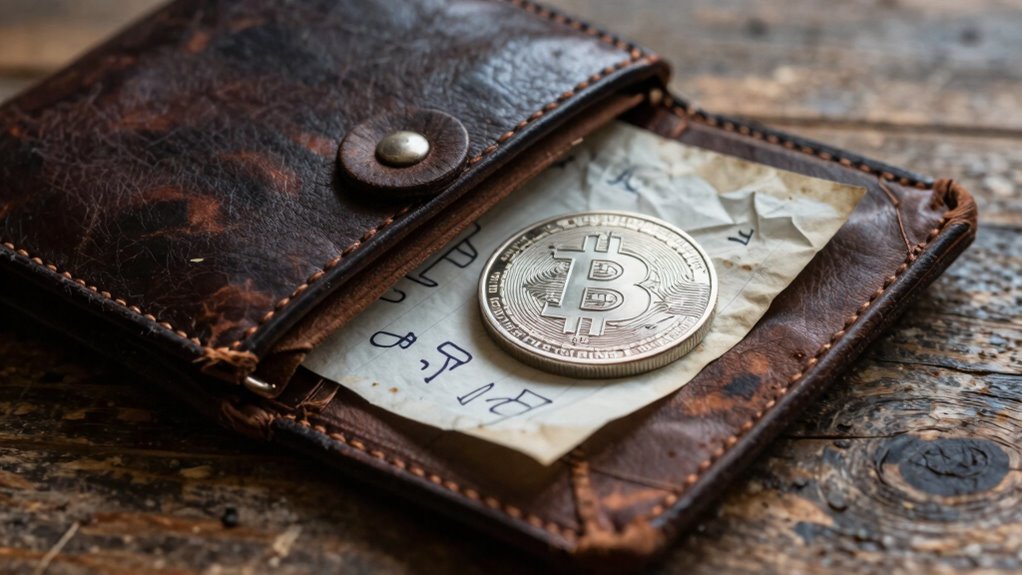
If you own Bitcoin, you might not think much about what happens to your digital assets after you pass away, but neglecting this can lead to serious problems for your heirs. Unlike traditional assets, Bitcoin and other cryptocurrencies aren’t tied to a bank account or physical property; instead, they exist as digital tokens stored in a blockchain. Without proper planning, your heirs could face significant hurdles in accessing your crypto holdings. This is where digital estate planning becomes essential. It involves creating a clear strategy to transfer your digital assets securely and legally when you’re no longer around.
One of the biggest issues is understanding cryptocurrency regulations, which vary by country and are constantly evolving. Some jurisdictions have strict rules about transferring digital assets after death, while others lack clear guidance. If you haven’t researched or adhered to these regulations, your heirs might find themselves unable to claim your Bitcoin, or worse, inadvertently break the law. This uncertainty can delay or prevent the transfer altogether, leaving your assets stranded or subject to legal complications. Staying informed about cryptocurrency regulations is crucial for ensuring your estate plan complies with legal requirements. Additionally, understanding these regulations can help you choose the best methods for legally transferring assets.
Understanding evolving cryptocurrency regulations is crucial to ensure your heirs can access your Bitcoin legally and without delay.
To avoid these pitfalls, you need to incorporate digital estate planning into your overall estate plan. This might mean creating an all-encompassing will that details how your Bitcoin should be handled, including access information, private keys, or recovery phrases. Many experts recommend using secure, encrypted storage solutions and sharing access credentials only with trusted individuals. Additionally, consider using legal tools like estate planning services that specialize in cryptocurrencies, which can help ensure your digital assets are transferred smoothly and in accordance with local laws. Proper documentation can also prevent disputes among heirs and streamline the inheritance process. Being aware of the changing regulatory landscape**** can help you adapt your estate plan as laws evolve.
Another critical aspect is understanding the technical side. You must ensure your heirs know how to access your wallets and have the necessary keys or passwords. Simply leaving behind a password isn’t enough—these details should be stored securely and communicated carefully to prevent theft or loss. Without this information, even the best legal plans can fall apart if no one knows how to access the crypto. Incorporating security measures such as multi-factor authentication can further protect your assets and simplify access for your heirs. Being aware of potential security risks related to digital assets is an important part of comprehensive estate planning.
Ultimately, the key to solving the Bitcoin inheritance problem lies in proactive planning. Staying informed about cryptocurrency regulations and integrating digital estate planning into your broader estate strategy can save your heirs from confusion, legal issues, and lost assets. In a rapidly changing regulatory landscape, being prepared now ensures your digital wealth will be passed on securely and legally, giving your loved ones peace of mind when the time comes.
Bitcoin private key storage safe
As an affiliate, we earn on qualifying purchases.
As an affiliate, we earn on qualifying purchases.
Frequently Asked Questions
How Can I Ensure My Heirs Access My Bitcoin Securely?
To guarantee your heirs access your bitcoin securely, you should create a detailed estate plan including a secure digital wallet and clear instructions. Keep your private keys or seed phrases in a safe, accessible location and inform trusted individuals. Stay aware of changing cryptocurrency regulations, and regularly update your digital asset valuation to reflect current market values. This way, your heirs can access your bitcoin safely and legally when the time comes.
What Legal Steps Are Needed for Bitcoin Inheritance?
Think of your Bitcoin as a treasure chest secured tight—without a map, it’s inaccessible. To guarantee your heirs can access your digital assets securely, you need solid inheritance planning strategies. Legally, this means creating clear estate documents, designating a digital executor, and possibly setting up a trust. These steps safeguard digital asset security, making sure your heirs access your digital treasure smoothly, preserving your legacy beyond your lifetime.
How Do Estate Taxes Impact Bitcoin Transfers?
Estate taxes can considerably impact your bitcoin transfers, especially if you haven’t done proper digital estate planning. If your heirs don’t understand the value of your cryptocurrency, they might fall victim to cryptocurrency scams or mishandle the transfer. To minimize taxes and avoid complications, you should establish clear digital estate plans, including secure access to your bitcoin, and consult professionals familiar with cryptocurrency inheritance laws.
Are There Specific Wallets Suited for Inheritance Purposes?
You can’t just stash your Bitcoin in any digital wallet without considering inheritance planning; some wallets are built with inheritance features that make your digital assets easier to pass on. Imagine a vault so secure it becomes a fortress—these wallets are designed specifically for inheritance, ensuring your loved ones can access your crypto effortlessly when the time comes. Choosing the right digital wallet now saves your heirs from an inheritance nightmare later.
What Happens if My Bitcoin Is Lost or Inaccessible?
If your bitcoin becomes lost or inaccessible, you risk losing your digital assets forever. Cryptocurrency scams and security breaches highlight the importance of protecting your private keys and backup info. Without proper safeguards, you can’t recover lost bitcoins. To prevent this, guarantee your digital asset security is solid, use secure wallets, and consider estate planning strategies like inheritance wallets. Otherwise, your valuable holdings could vanish without any chance of recovery.
cryptocurrency estate planning kit
As an affiliate, we earn on qualifying purchases.
As an affiliate, we earn on qualifying purchases.
Conclusion
As you navigate the world of Bitcoin, remember that your digital assets are more than just numbers—they’re a legacy in the making. One day, someone will need to inherit your holdings, but will they be prepared? The true challenge lies ahead: safeguarding your crypto so it endures beyond your control. Are you ready to confront this inevitable, silent risk? The future of your Bitcoin could depend on the choices you make today.
encrypted digital wallet storage
As an affiliate, we earn on qualifying purchases.
As an affiliate, we earn on qualifying purchases.
Bitcoin inheritance legal services
As an affiliate, we earn on qualifying purchases.
As an affiliate, we earn on qualifying purchases.
Halloween Picks
halloween
As an affiliate, we earn on qualifying purchases.