


Virginia ordered a statewide AI cyber plan as Washington pushes for lighter, uniform rules. Congress has not preempted state AI laws.
The Latest
Can Washington’s Deregulation Push And Virginia’s AI Plan Both Apply?

How Siri’s New Memory Stacks Up Against The iPhone Duo’s Hinge Issues

Apple’s iOS 27.2 adds Siri conversation recall and five languages, while the company confirms a display issue affecting a small number of foldable iPhone Duo units.
Tom Lee’s Bitmine Favors Share Buybacks To Ether Purchases As Crypto Declines

Bitmine bought back $45.9 million in shares last week and added ether, as Chairman Tom Lee described the crypto selloff as an opportunity.
How To Read Anthropic’s S-1 Beyond The News Coverage

A critical reading of Anthropic’s 415-page draft S-1 examines founder voting control, compute obligations, accounting and unresolved questions.
Which Of The 10 Best Network Attached Storage Devices For 2027 Fits Your Needs?
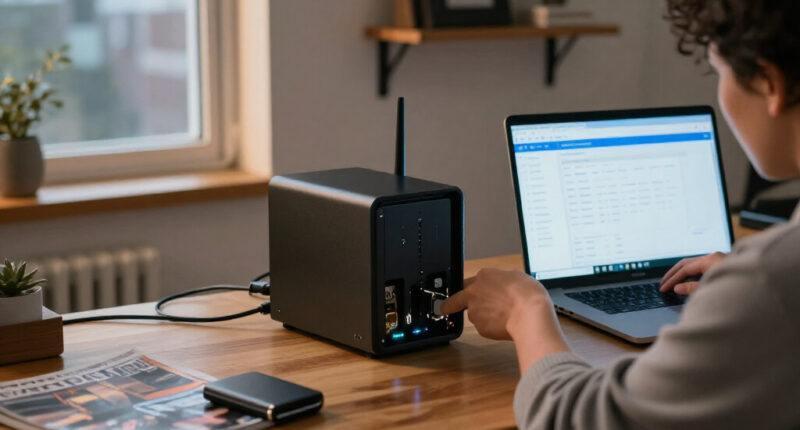
Compare 10 NAS devices by drive bays, included storage and setup needs, from four-bay UGREEN models to single-bay BUFFALO options.
7 Ways An SMB Workflow Audit Can Reveal Automation Opportunities
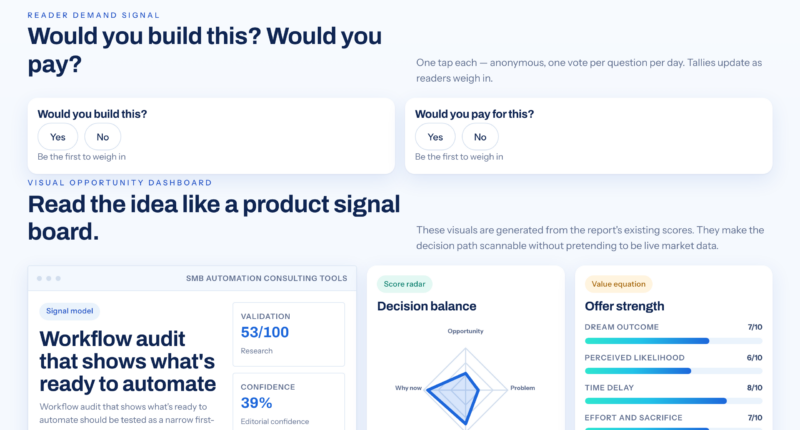
A proposed small-business workflow audit would map processes, score automation readiness and suggest a 90-day implementation roadmap.
Six Reasons AI Text Can Wear Readers Out—and How To Fix Each One

A preprint comparing 14 language models with human writing identifies six sentence patterns and suggests editing for clarity over AI detection.
The AI Risks Anthropic Discloses In Its Public Offering Filing

Anthropic’s reported Oct. 26 IPO filing warns of catastrophic AI risks and discloses rapid growth, large commitments and unusual voting controls.
How IBM’s CEO Thinks About Running AI In-House

IBM CEO Arvind Krishna says open-weight AI can cut token costs. Benchmark scores, infrastructure needs and utilization complicate the case.
A Guide To Big Tech’s New Ways Of Paying For AI

Microsoft offered eligible staff voluntary severance as Meta disclosed a potential $95 billion stock sale to help fund AI infrastructure spending.