
You might not realize how overlooked Bitcoin’s potential is as a censorship-resistant cross-border payment method. It can streamline international transactions, especially for regions with limited banking options or restrictive regulations. As regulation clarity grows, trust and adoption increase, making it a more stable option. Innovations like the Lightning Network are addressing scalability, enabling faster, cheaper microtransactions. Discover more about this undervalued aspect of Bitcoin’s role in global finance and how it might reshape your perspective.
Listen free for 30 days with Audible
Thousands of audiobooks and originals — cancel anytime.
As an affiliate, we earn on qualifying purchases.
Key Takeaways
- Bitcoin enables direct, censorship-resistant cross-border payments, bypassing traditional banking restrictions and intermediaries.
- Its potential for stable, regulated transactions can foster trust and wider adoption in mainstream finance.
- Lightning Network enhances Bitcoin’s utility for microtransactions, making small, frequent payments faster and cheaper.
- Bitcoin can streamline remittances and international commerce, especially in regions with underdeveloped banking infrastructure.
- Regulatory clarity and technological progress are vital for integrating Bitcoin into traditional financial systems and expanding its use cases.
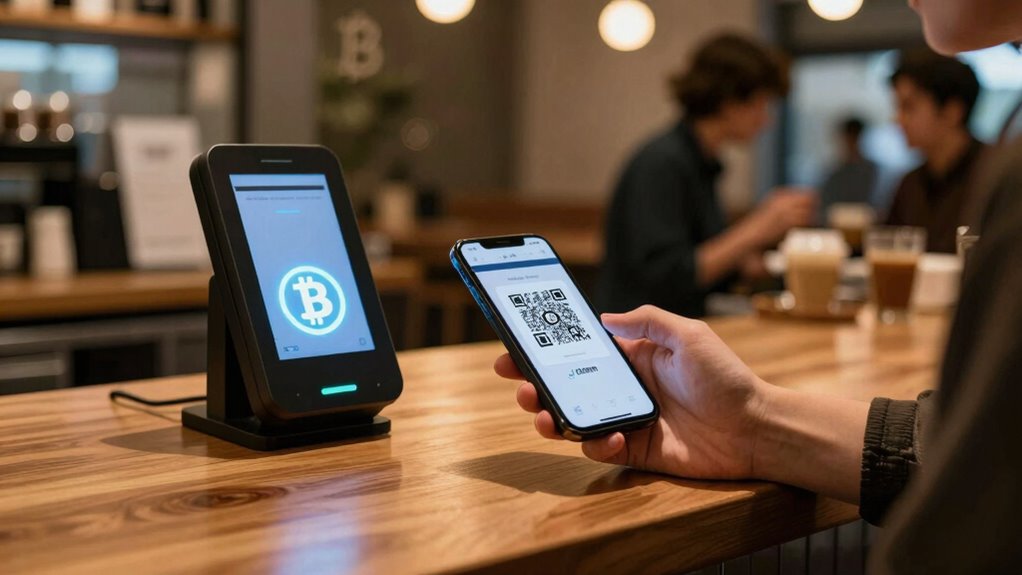
Have you ever wondered how Bitcoin is transforming the way we handle payments? It’s not just about the digital currency itself but also about the broader implications for the financial ecosystem. One of the most underrated aspects of Bitcoin’s payment use case is its potential to reshape international transactions, especially as it navigates through a complex landscape of cryptocurrency regulations and blockchain scalability challenges. While many focus on Bitcoin’s price volatility or investment prospects, its role as a reliable medium of exchange could be revolutionary, provided these hurdles are addressed effectively.
Cryptocurrency regulations are evolving rapidly worldwide, often creating uncertainty for businesses and consumers alike. Yet, Bitcoin’s decentralized nature offers a unique advantage—its resistance to censorship and government control can facilitate smoother cross-border payments once regulatory environments become more accommodating. As governments develop clearer rules around cryptocurrency use, Bitcoin can become a more stable and trusted option for everyday transactions. This is particularly relevant in regions where traditional banking systems are underdeveloped or restrictive. In such areas, Bitcoin could serve as a practical alternative, allowing users to send and receive payments without relying on intermediaries that might be slow or inaccessible.
Bitcoin’s resistance to censorship can streamline cross-border payments as regulations become clearer.
However, blockchain scalability remains a significant obstacle. Bitcoin’s network, in its current form, can handle only a limited number of transactions per second, leading to delays and higher fees during peak times. This limitation hampers its use as a daily payment method on a broad scale. But ongoing innovations, such as the Lightning Network, aim to improve scalability by enabling faster and cheaper off-chain transactions. These advancements could make Bitcoin more viable for everyday use, turning it into a practical means of payment for small, frequent transactions rather than just a store of value. When blockchain scalability issues are addressed, Bitcoin’s utility as a payment method could significantly increase, especially for international remittances, online purchases, and peer-to-peer transfers. Additionally, security in digital transactions can help build trust and confidence among users, further supporting its adoption as a reliable payment method. Moreover, addressing blockchain scalability is critical for expanding Bitcoin’s use cases, and technological progress in this area could unlock its full potential for widespread adoption. As the ecosystem matures, interoperability with traditional financial systems will also become increasingly important to facilitate seamless transactions across platforms. Enhancing regulatory clarity can further accelerate the integration of Bitcoin into mainstream financial services, making it more accessible and trustworthy.
In essence, the true transformative power of Bitcoin as a payment use case lies in its ability to bypass traditional financial systems and their limitations. As cryptocurrency regulations become clearer and technology advances to solve scalability issues, Bitcoin could become a standard tool for payments—more accessible, faster, and less costly. Its potential to facilitate seamless global transactions is often overlooked, but as these hurdles are gradually overcome, Bitcoin’s role in everyday commerce might prove to be more impactful than many realize.
Bitcoin Lightning Network microtransaction wallet
As an affiliate, we earn on qualifying purchases.
As an affiliate, we earn on qualifying purchases.
Frequently Asked Questions
How Secure Are Bitcoin Transactions for Everyday Payments?
Bitcoin transactions are generally secure thanks to blockchain technology, but you should be aware of cryptocurrency volatility, which can affect the value of your payments. While transactions are protected by cryptography, privacy concerns arise because all transactions are publicly recorded, making it possible for others to trace your activity. To enhance security, use reputable wallets and consider privacy tools, but stay aware of these limitations for everyday payments.
Can Bitcoin Payments Be Easily Integrated Into Existing POS Systems?
Integrating Bitcoin payments into your POS system is like opening a new door to endless possibilities. It’s becoming easier as cryptocurrency adoption grows, with many solutions now built on blockchain technology that seamlessly connect with existing systems. You can incorporate these tools without overhauling your setup, making transactions faster and more secure. Embracing this change helps you stay ahead in a world increasingly driven by digital currencies.
What Are the Transaction Fees for Bitcoin Payments Compared to Traditional Methods?
Bitcoin transaction fees can vary considerably, often being lower than traditional credit card fees during periods of low network congestion. You’ll find that the transaction fee comparison favors Bitcoin for cost efficiency, especially for larger or international transactions. However, during peak times, fees may rise. Overall, Bitcoin offers a potentially cheaper, transparent alternative, but it’s important to monitor network conditions to optimize transaction costs effectively.
How Do Bitcoin Payments Affect Merchant Cash Flow and Accounting?
You might find Bitcoin payments streamline your cash flow, but remember, cryptocurrency volatility can cause fluctuations in the value of received payments, impacting your income. This requires careful accounting, especially with potential tax implications, like reporting gains or losses. While Bitcoin can speed up transactions, it also demands diligent tracking for accurate financial statements, helping you manage cash flow effectively amidst the unpredictable crypto market.
Are There Legal or Regulatory Challenges for Businesses Accepting Bitcoin?
Yes, you may face legal and regulatory challenges when accepting bitcoin. Cryptocurrency regulations vary by country, so you must stay informed about local laws to guarantee legal compliance. Some regions have strict rules on cryptocurrency transactions, taxes, and reporting requirements. Failing to adhere to these regulations can lead to penalties or legal issues. Regularly consult legal experts and monitor updates to maintain compliance and avoid potential risks when accepting bitcoin.
cryptocurrency cross-border payment platform
As an affiliate, we earn on qualifying purchases.
As an affiliate, we earn on qualifying purchases.
Conclusion
Imagine a future where Bitcoin isn’t just a store of value but your go-to for everyday transactions. What if this underrated use case transforms how you shop, pay, and send money across borders—quietly, seamlessly? The potential is enormous, yet it’s still largely untapped. Are you ready to embrace this shift and open a world where your payments are faster, safer, and more private? The next chapter might just be closer than you think.
Bitcoin hardware wallet for international transactions
As an affiliate, we earn on qualifying purchases.
As an affiliate, we earn on qualifying purchases.
As an affiliate, we earn on qualifying purchases.
NFL season / tailgating Picks
team gear
As an affiliate, we earn on qualifying purchases.