
TL;DR
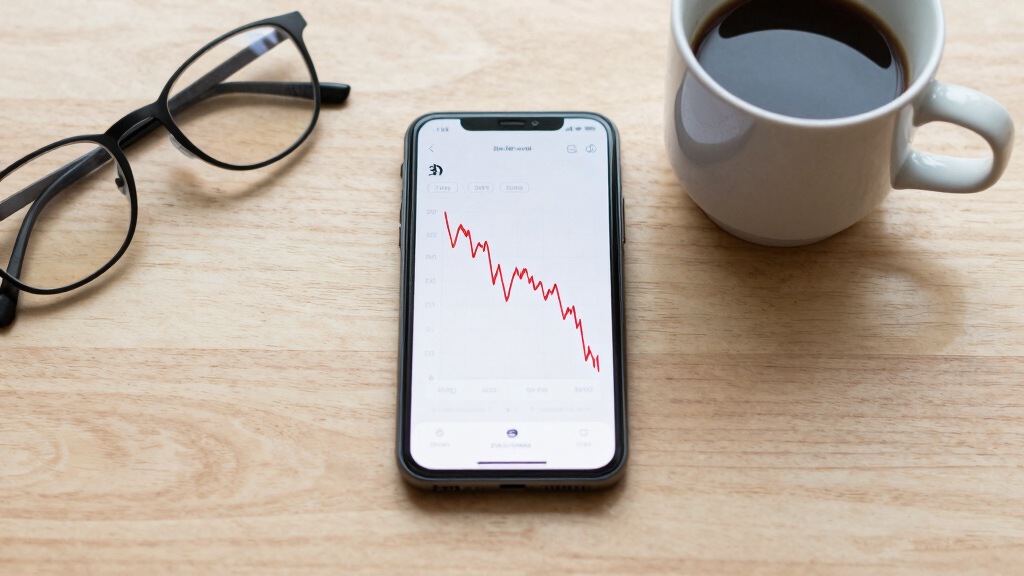
Bitcoin has declined to a 20-month low, driven by a sharp decline in market sentiment. The move reflects broader investor concerns and increased volatility in the crypto sector.
Bitcoin has fallen to its lowest level in 20 months, marking a significant downturn driven by deteriorating market sentiment. The cryptocurrency’s price decline underscores increasing investor caution amid broader financial market turbulence. See the latest Bitcoin and Ethereum prices today.

Get hardware and tech essentials delivered free with Prime
- Fast, free delivery on millions of items
- Prime Video, Amazon Music and more included
- Member-only deals all year
According to data from various market sources, Bitcoin’s price recently dipped below $25,000, reaching levels not seen since early 2022. The decline is attributed to a combination of factors, including macroeconomic concerns, tightening monetary policies, and waning confidence in risk assets. Market sentiment surveys and trading volume data suggest a sharp shift toward risk aversion among investors.
Financial Times reports that Bitcoin’s price decline is part of a broader downturn in the cryptocurrency sector, with several altcoins also experiencing significant drops. Analysts note that this decline may be amplified by profit-taking, regulatory uncertainties, and macroeconomic pressures such as inflation concerns and geopolitical tensions.
Implications for Cryptocurrency Investors and Market Stability
This decline signals increased volatility and risk aversion among investors, which could lead to further downward pressure on cryptocurrencies. The move may also influence institutional investor sentiment and impact the broader financial markets, given Bitcoin’s role as a benchmark asset in the crypto sector. The downturn underscores the fragility of crypto markets amid macroeconomic uncertainties and regulatory developments.
Products Worth Considering

Trezor Safe 5 Crypto Hardware Wallet

Ledger Nano X Bluetooth Crypto Hardware Wallet

Ledger Flex Crypto Wallet with 2.8-Inch E Ink Touchscreen
As an affiliate, we earn on qualifying purchases.
Recent Trends and Factors Behind Bitcoin’s Price Drop
Bitcoin’s recent price movements follow a period of relative stability earlier this year, but have been volatile since late 2023. The decline coincides with rising interest rates in major economies, inflation concerns, and increased regulatory scrutiny on digital assets globally. In recent weeks, macroeconomic data indicating slowing economic growth and geopolitical tensions have further dampened investor appetite for risk assets, including cryptocurrencies.
Historically, Bitcoin has experienced sharp declines during periods of market stress, often serving as a barometer for broader risk sentiment. The current downturn aligns with these patterns, though the extent and duration remain uncertain.
Unconfirmed Factors and Future Market Movements
It remains unclear whether Bitcoin’s decline signals the start of a prolonged bear market or a temporary correction. The impact of upcoming macroeconomic data releases, potential regulatory changes, and institutional responses are still developing and could influence future price movements.
Next Steps for Investors and Market Watchers
Market participants will be closely monitoring macroeconomic indicators, regulatory developments, and Bitcoin’s trading volume in the coming weeks. Key milestones include upcoming economic data releases, central bank policy decisions, and any regulatory announcements that could affect digital assets. Stay updated on Bitcoin prices and market analysis.
Key Questions
What caused Bitcoin to hit a 20-month low?
The decline is attributed to worsening market sentiment driven by macroeconomic concerns, regulatory uncertainties, and risk aversion among investors.
Is this decline likely to continue?
It is uncertain. Analysts say the market could experience further volatility depending on macroeconomic data, regulatory actions, and investor reactions in the coming weeks.
How does this affect other cryptocurrencies?
Many altcoins are also experiencing declines, reflecting broader risk-off sentiment. The extent of their drops depends on individual fundamentals and market dynamics.
Should investors consider buying during this dip?
This is not financial advice. Investors should consider their risk tolerance and conduct thorough research before making decisions in volatile markets.
Source: google-trends