
Scott Bessent's recent pledge to cut interest rates could reshape the financial landscape for many households. By targeting long-term rates, he aims to ease the economic strain on families, especially those in the bottom 50% of earners. This approach, alongside deregulation and fiscal policies, might encourage consumer spending. But what implications will these changes have for the economy as a whole? The answer might surprise you.

Scott Bessent has pledged to pursue interest rate cuts as part of a broader economic strategy aimed at stimulating growth and reducing financial burdens on households. By lowering long-term interest rates, he believes you can ease the financial strain many families face, allowing them to allocate more of their income towards savings or spending, which in turn boosts the economy.
Scott Bessent aims to lower long-term interest rates, relieving financial strain on families and boosting economic growth.
This approach emphasizes deregulation and fiscal policies rather than relying solely on the Federal Reserve's short-term rate adjustments. You may have noticed recent declines in mortgage rates, which signal growing confidence in these policies. As Bessent focuses on long-term rates, such as the 10-year Treasury yield, he aims to create an environment where borrowing is cheaper. Lower rates not only affect mortgages but also have the potential to reduce credit card and auto loan rates, making it easier for you to manage your finances.
While the Fed controls short-term rates, like those tied to credit cards, the real strategy lies in how long-term rates respond to factors like inflation expectations and government borrowing costs. Bessent advocates for a combination of deregulation and favorable tax policies to achieve these lower long-term rates. Additionally, he believes that lower interest rates will particularly help the bottom 50% of Americans by alleviating financial pressures.
This focus on structural changes in economic policy rather than short-term fixes is intended to foster a more robust economic growth trajectory. You may also be aware that recent tariff implementations on countries like China, Mexico, and Canada are part of this economic rebalancing strategy. Although tariffs can create short-term market instability, Bessent anticipates medium-term benefits, including job growth in U.S. manufacturing.
This holistic approach aims to enhance competitiveness while boosting investor confidence in the U.S. market. Moreover, the administration's commitment to lessening banking regulations is seen as a way to stimulate growth. By reducing the regulatory burden on banks, Bessent argues that you can foster a more dynamic financial sector. He points out that overregulation can push consumers toward unregulated sectors, ultimately harming financial stability.
As you consider the broader implications of Bessent's policies, it becomes clear that the goal here is to create an economic landscape where both families and businesses can thrive. Lowering interest rates and implementing effective tariffs are just pieces of a larger puzzle aimed at securing a prosperous future for all. With these strategies in place, you can expect a more stable and growth-oriented financial environment in the coming years.

The Mortgage Kit: Select the Right Loan, Lock in the Lowest Rate, Negotiate the Best Terms
Used Book in Good Condition
As an affiliate, we earn on qualifying purchases.
As an affiliate, we earn on qualifying purchases.
auto loan refinancing
As an affiliate, we earn on qualifying purchases.
As an affiliate, we earn on qualifying purchases.

Smart Balance Transfers: How to Use 0% APR Offers Wisely When Your Credit Card Promotion Ends: A Practical Educational Guide to Understanding Interest, Credit Card Costs, and Balance Transfers
As an affiliate, we earn on qualifying purchases.
As an affiliate, we earn on qualifying purchases.
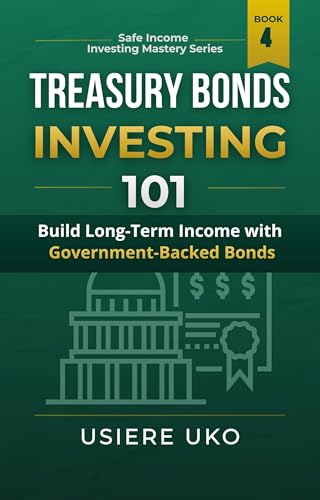
Treasury Bonds Investing 101: Build Long-Term Income with Government-Backed Bonds (Safe Income Investing Mastery Book 4)
As an affiliate, we earn on qualifying purchases.
As an affiliate, we earn on qualifying purchases.