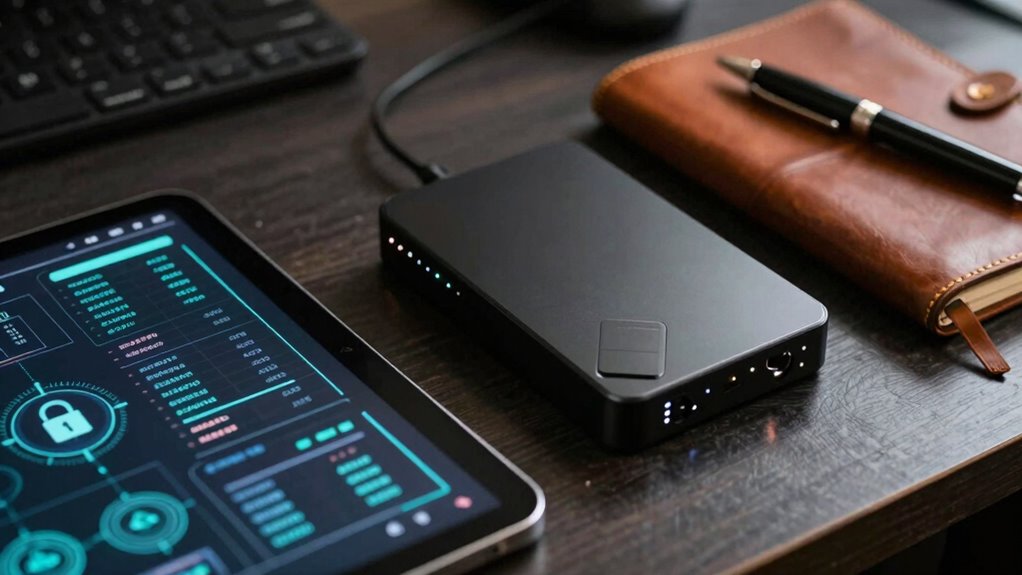

Node backups are different from wallet backups because they protect the blockchain’s infrastructure, not your personal assets. When you back up a node, you save network data and sync information, but private keys and wallet details remain separate. Wallet backups contain private keys, seed phrases, or encrypted files that give you control over your funds. Understanding these differences helps you secure both the network and your assets—keep exploring to learn more.

Get hardware and tech essentials delivered free with Prime
- Fast, free delivery on millions of items
- Prime Video, Amazon Music and more included
- Member-only deals all year
Key Takeaways
- Node backups preserve network data and blockchain state, not private keys or wallet information.
- Wallet backups contain private keys, seed phrases, or encrypted files for accessing specific assets.
- Node backups do not secure individual crypto holdings if private keys are compromised.
- Wallet backups are stored offline and encrypted for asset security, unlike node backups.
- Both backups serve different security roles: network stability versus asset control.
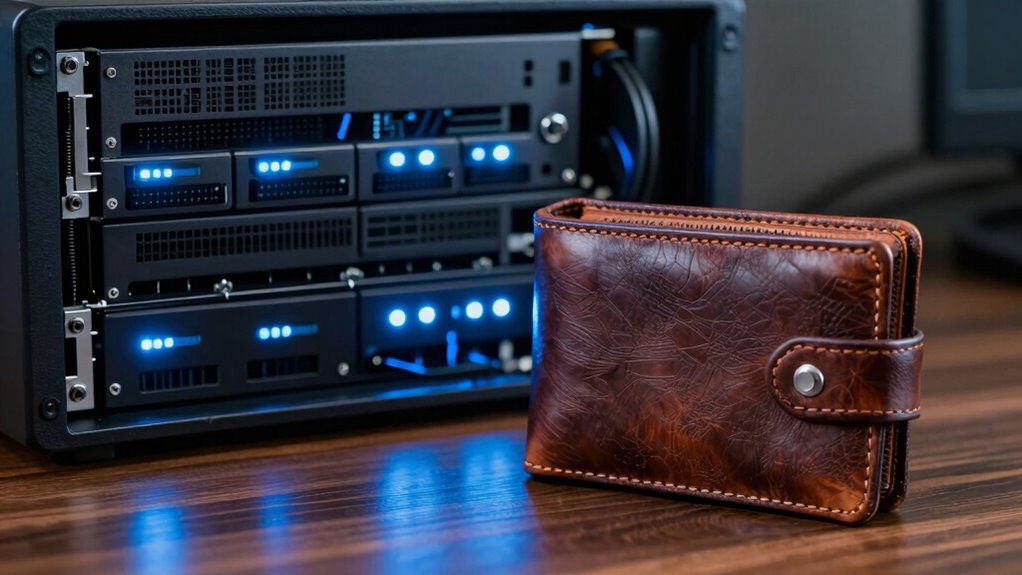
When it comes to safeguarding your cryptocurrency assets, understanding the difference between node backups and wallet backups is essential. They serve different purposes and protect different aspects of your crypto holdings. Node backups are primarily about maintaining the security and integrity of the entire network. When you run a node, you’re supporting the blockchain by validating transactions and blocks, which contributes to node security. Backing up your node ensures that if your hardware fails or suffers data corruption, you can restore your node without losing your place in the network or your validation records. These backups help keep the network resilient and trustworthy, but they don’t contain your private keys or specific wallet information. Instead, they preserve the node’s overall state, data, and blockchain synchronization. The quality of your node backup can influence the speed and ease of recovery, especially with high-quality backup strategies. Properly managing these backups is crucial for ensuring network resilience and your ongoing participation. Wallet backups, on the other hand, focus on protecting your individual holdings. They contain the private keys, seed phrases, or encrypted wallet files that give you access to your specific crypto funds. Wallet encryption adds an extra layer of security by ensuring that even if someone gains access to your backup file, they can’t steal your assets without the password. When you back up your wallet, you’re safeguarding the critical data needed to access and control your cryptocurrencies, regardless of the device or platform you’re using. This makes wallet backups vital because losing your private keys means losing access to your assets permanently. Unlike node backups, wallet backups are directly tied to your personal holdings and should be stored securely, ideally offline, to prevent theft or hacking. Protecting these backups with encryption is essential to prevent unauthorized access and potential theft. It’s important to recognize that these different backup types address separate risks. Node backups protect the network’s stability and your participation in it, but they don’t secure your assets if your private keys are compromised. Wallet backups secure your individual assets, but they don’t necessarily contribute to the overall health of the blockchain network. Additionally, wallet encryption is crucial because it prevents unauthorized access if your backup falls into the wrong hands. Always ensure your backups are stored in a safe, encrypted environment and regularly updated. Understanding these distinctions helps you implement comprehensive security measures, addressing both node security and personal asset protection. In essence, while node backups maintain the blockchain infrastructure, wallet backups ensure that your assets remain under your control, even in the face of device failure or security breaches.
hardware wallet for crypto storage
As an affiliate, we earn on qualifying purchases.
As an affiliate, we earn on qualifying purchases.
Frequently Asked Questions
Can I Restore My Wallet Without a Node Backup?
Yes, you can restore your wallet without a node backup. Wallet restoration primarily relies on your seed phrase or private keys, not node synchronization. However, if your node backup is encrypted, verify you have the correct decryption key. Without a node backup, you won’t be able to quickly resync the full node data, but your wallet remains recoverable through your seed phrase, making it independent of node backup status.
Do Node Backups Include Private Keys?
No, node backups don’t include private keys. Private key management is separate from node synchronization, which focuses on keeping your node current with the blockchain. When you back up a node, you save data related to the network state, not your wallet’s private keys. To protect your assets, always make sure you have a dedicated wallet backup, as node backups won’t secure your private keys or funds.
How Often Should I Back up My Node?
You should back up your node regularly, ideally after each significant node synchronization or when updates occur. Frequent backups guarantee you capture the latest state, including any changes in your private keys or configurations. Always use backup encryption to keep your data secure. Regular backups reduce the risk of data loss, helping you restore your node quickly if needed, and ensure your private keys remain protected throughout the process.
Are Node Backups Necessary for Wallet Security?
Yes, node backups are necessary for wallet security because they help maintain node synchronization and support network resilience. By backing up your node, you guarantee your data stays current, reducing the risk of losing access during crashes or updates. These backups contribute to a stable network environment, preventing disruptions that could affect your wallet’s security. Regular backups keep your wallet safe and ensure continuous, reliable access to your funds.
What’s the Risk of Losing Data With Node Backups?
Losing data with node backups risks disrupting your data’s durability and synchronization. If you neglect node redundancy, your data’s consistency could collapse, causing discrepancies. Incomplete or corrupted backups threaten your data’s integrity, jeopardizing seamless data synchronization across your network. To avoid these risks, guarantee your node backups are thorough, regularly updated, and securely stored, maintaining a stable, synchronized system that safeguards your data’s security and reliability.
As an affiliate, we earn on qualifying purchases.
Conclusion
In understanding node backups and wallet backups, you grasp the difference, the importance, and the purpose. You protect your network, your assets, and your access. You secure your infrastructure, your funds, and your future. You recognize that backups aren’t just files—they’re your safeguard, your reassurance, your peace of mind. By knowing what to back up and why, you empower yourself to navigate the crypto world confidently, responsibly, and securely.
As an affiliate, we earn on qualifying purchases.
As an affiliate, we earn on qualifying purchases.
Columbus Day / Indigenous Peoples' Day Picks
long weekend sales
As an affiliate, we earn on qualifying purchases.