
A good secure element in a hardware wallet should comply with strict standards like FIPS 140-2 or Common Criteria, guaranteeing it can generate, store, and manage cryptographic keys securely. It must be tamper-resistant and include physical protections to prevent physical extraction of data. Certification and quality control from reputable organizations like ISO ensure reliability, while regular updates and support help stay ahead of evolving threats. Continue exploring to discover how these features work together to keep your assets safe.

Get hardware and tech essentials delivered free — and shop member deals
- Fast, free delivery on millions of items
- Access to Prime Big Deal Days deals on October 6–7
- Prime Video, Amazon Music and more included
Key Takeaways
- Adheres to recognized cryptographic standards like FIPS 140-2 or Common Criteria for validated security performance.
- Contains robust physical and tamper-resistant features to prevent physical extraction of keys.
- Certified through reputable manufacturing quality controls such as ISO 9001 or ISO 27001.
- Supports secure key generation, storage, and management with hardware security modules.
- Receives regular security updates and ongoing support to address evolving threats.
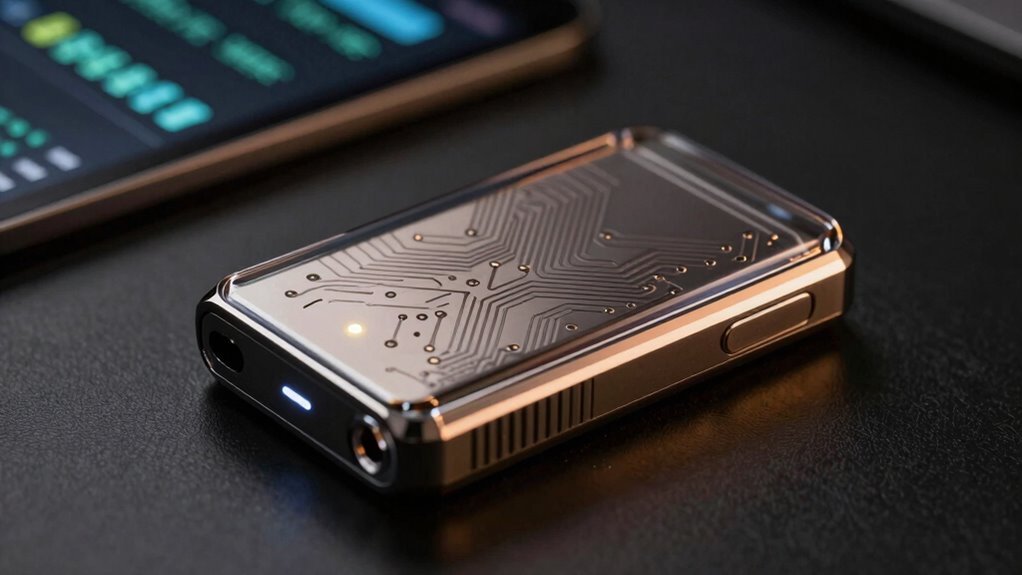
Have you ever wondered how hardware wallets keep your cryptocurrencies safe? The core component that plays a crucial role in this security is the secure element. Think of it as a specialized chip designed to safeguard sensitive data, like your private keys, from potential threats. But not all secure elements are created equal. To guarantee maximum protection, a good secure element must adhere to strict cryptographic standards, which assure that it can generate, store, and manage cryptographic keys securely. These standards, such as Common Criteria or FIPS 140-2, set rigorous benchmarks for security performance, making certain that the chip can withstand various attack vectors. When selecting a hardware wallet, you want to verify that its secure element complies with these recognized standards. This compliance indicates that the device has undergone thorough testing and certification, providing you with confidence in its security capabilities.
Manufacturing certifications are equally important because they validate that the secure element has been produced following strict quality control procedures. Certifications like ISO 9001 or ISO 27001 show that the manufacturer maintains high standards throughout the production process, minimizing risks of vulnerabilities introduced during manufacturing. A secure element with proper certifications is less likely to contain flaws or defects that could compromise your private keys. It’s also important that the chip is designed with tamper resistance in mind, making it exceedingly difficult for hackers to extract sensitive data through physical attacks. A good secure element incorporates features like secure boot, encrypted storage, and side-channel attack protections, all of which are often validated through relevant certifications. Additionally, somatic therapy techniques can be used to help individuals process and manage the stress related to concerns over digital security. Moreover, cryptographic standards play a vital role in ensuring the robustness of the security measures embedded within the secure element. Ensuring the secure element can be regularly updated is crucial because new vulnerabilities are constantly being discovered, and updates help maintain security over time. Incorporating hardware security modules further enhances protection by providing dedicated environments for cryptographic operations.
In addition to cryptographic standards and manufacturing certifications, a good secure element should be regularly updated and supported by the manufacturer. This assures that any discovered vulnerabilities are patched promptly, maintaining the integrity of your wallet over time. When you choose a hardware wallet, pay attention to the robustness of its secure element—look for those that have been independently tested and certified. These indicators show that the device has been built with security as a priority, aligning with industry best practices. Ultimately, a secure element that meets cryptographic standards and holds proper manufacturing certifications provides a solid foundation for protecting your assets against evolving threats. It’s the silent guardian working behind the scenes, giving you peace of mind that your cryptocurrencies are safeguarded by the best possible security measures.
hardware wallet with FIPS 140-2 secure element
As an affiliate, we earn on qualifying purchases.
As an affiliate, we earn on qualifying purchases.
Frequently Asked Questions
How Often Should I Update My Hardware Wallet’s Firmware?
You should update your hardware wallet’s firmware whenever updates are available. Regular firmware updates are essential because they improve security protocols, fix vulnerabilities, and enhance device performance. By staying current, you reduce the risk of hacking or unauthorized access. Check the manufacturer’s website or app notifications regularly, and install updates promptly to keep your wallet secure. Don’t delay, as outdated firmware can compromise your crypto assets.
Can a Secure Element Be Compromised Remotely?
Yes, a secure element can be compromised remotely through vulnerabilities like remote exploits or hacking attempts. To prevent this, you should keep your device’s firmware up-to-date and use strong, unique passwords. Regularly monitor for updates from the manufacturer and avoid connecting your hardware wallet to untrusted networks. Implementing multi-factor authentication and security best practices considerably reduces remote vulnerabilities, making hacking prevention more effective.
What Are the Differences Between Secure Element and TPM?
You’ll find TPMs (Trusted Platform Modules) and secure elements differ mainly in purpose and design. About 30% of devices with TPMs focus on cryptographic isolation and hardware tampering resistance. TPMs primarily serve as secure roots of trust in computers, offering platform integrity, while secure elements are dedicated chips that protect sensitive data like cryptographic keys in wallets. Both guard against hardware tampering, but secure elements are tailored for isolated secure storage.
Is a Secure Element Necessary for Small-Scale Crypto Users?
A secure element isn’t strictly necessary for small-scale crypto users, but it can considerably enhance your security. It provides small-scale security by protecting private keys from theft or hacking attempts. If you prioritize user accessibility, a hardware wallet with a reliable secure element makes managing your assets easier and safer. While software wallets are more convenient, investing in a secure element adds an extra layer of protection, especially for valuable holdings.
How Does a Secure Element Impact Transaction Speed?
A secure element can slightly impact transaction speed due to the encryption protocols it uses, but it generally guarantees faster, safer transactions by securely managing cryptographic operations. Its hardware integration streamlines communication with the wallet, reducing delays. While there might be minor latency, the added security outweighs it, making your transactions both quick and protected. You’ll appreciate how seamlessly a secure element balances speed and security in your hardware wallet.
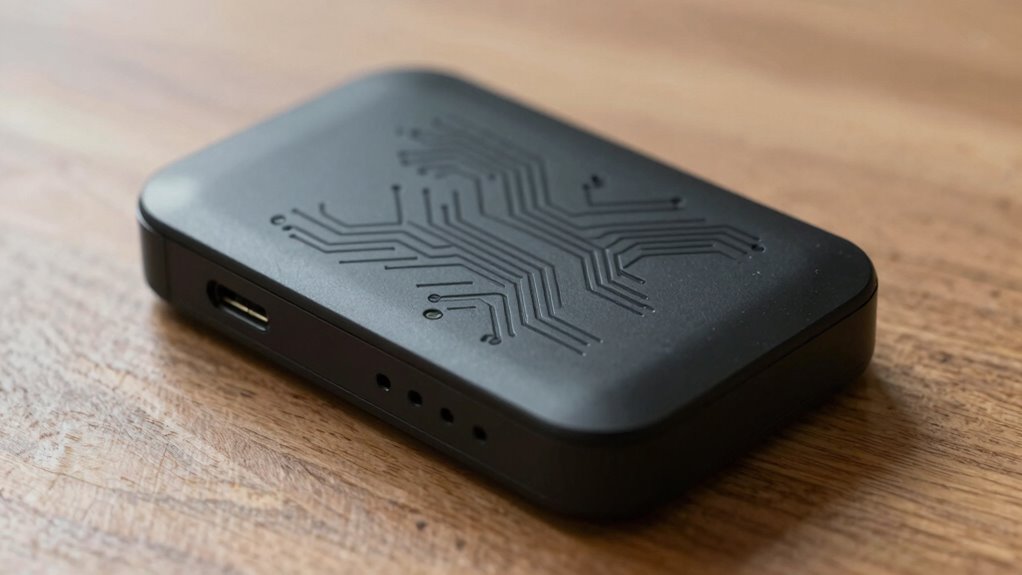
tamper-resistant secure element chip
As an affiliate, we earn on qualifying purchases.
As an affiliate, we earn on qualifying purchases.
Conclusion
So, when choosing a secure element for your hardware wallet, aren’t you looking for something that offers exceptional security, reliability, and ease of use? A good secure element acts like a vault for your private keys, shielding your assets from threats. Remember, isn’t it worth investing in a device that provides peace of mind and uncompromised protection? Ultimately, your security depends on selecting the right secure element—don’t settle for less.
cryptographic hardware security module
As an affiliate, we earn on qualifying purchases.
As an affiliate, we earn on qualifying purchases.
ISO 27001 certified hardware wallet
As an affiliate, we earn on qualifying purchases.
As an affiliate, we earn on qualifying purchases.
Fall Picks
fall essentials
As an affiliate, we earn on qualifying purchases.