

📊 Full opportunity report: Apple Greift Nach China-Speicher. Europa Hat Nicht Einmal Diese Option. on ThorstenMeyerAI.com — validation score, market gap, and execution plan.
TL;DR
Apple is actively lobbying in Washington to purchase memory chips from Chinese supplier CXMT, exposing Europe’s lack of domestic or alternative options. The move underscores Europe’s dependency on Asian and US memory chip producers amid a global shortage.
Apple is lobbying in Washington to acquire memory chips from Chinese manufacturer CXMT, a move that highlights Europe’s inability to access similar supply options amid a global chip shortage. This development underscores the strategic vulnerabilities faced by European technology supply chains.
In recent weeks, Apple has sought approval in Washington to purchase memory chips from CXMT, a Chinese firm on the US Pentagon’s blacklist. This step comes shortly after Apple announced price increases for Macs and iPads, citing a global memory shortage as the reason. The company’s actions demonstrate its willingness to source components from China despite geopolitical tensions.
Meanwhile, Europe lacks comparable options. The continent produces less than 10 percent of the world’s semiconductor value and relies heavily on US and Asian manufacturers. Europe’s few remaining memory chip producers, such as those manufacturing DRAM and high-bandwidth memory (HBM), are based outside the continent, mainly in East Asia and the US. The prices for memory components have surged, with some segments increasing sixfold over the past year, making Europe a price taker.
European policymakers face significant limitations in addressing this dependency. Tools such as subsidies and regulations are insufficient to quickly develop domestic manufacturing capacity, especially for advanced memory chips. Major projects like Intel’s factory in Magdeburg and others are delayed or stalled, and estimates suggest Europe would need over 250 billion euros to reach its chip production goals—funds that are currently unavailable.
Apple greift nach China-Speicher. Europa hat nicht einmal diese Option.
Der Speicher-Engpass legt Amerikas Abhängigkeit offen — und Europas weit brutaler. Apple hat einen heimischen Zulieferer, politisches Gewicht und die China-Option. Europa hat keinen eigenen Speicher, keinen Sitz am Tisch, keinen Hebel auf das, was zählt.
- EU fertigt < 10 % der Halbleiter weltweit
- Praktisch kein DRAM, kein HBM aus Europa
- 3–4 Speicherhersteller weltweit — keiner europäisch
- Reiner Preisnehmer: Speicher ~4× in 3 Quartalen
- ASML: EUV-Monopol — kein Spitzenchip ohne
- Zeiss: Präzisionsoptik, weltweit konkurrenzlos
- imec · CEA-Leti · Fraunhofer: Spitzenforschung
- Infineon, NXP, STMicro: Automotive · Leistung · SiC
Der Engpass ist ein Souveränitätstest — Europa fällt bei der Versorgung durch, hält die Hebelmacht aber in der Hand. Wenn sich selbst Apple nicht freikaufen kann, ist Europas Antwort nicht, sich einzukaufen, sondern zweigleisig: die einzigartigen Engstellen konsequent als Hebel nutzen — und die Abhängigkeit dort senken, wo es ohne Brüssel geht: lokal-first, offene Gewichte, Quantisierung, richtig dimensionierte Hardware. Den 20-%-Traum begraben, das Eigene verteidigen, weniger brauchen.
Why Europe’s Memory Supply Shortage Matters
This situation exposes Europe’s vulnerability in critical supply chains for advanced semiconductors, especially memory chips vital for AI, data centers, and high-performance computing. Europe’s lack of domestic production means it is dependent on external suppliers, which can be restricted or influenced by geopolitical factors, risking supply disruptions and higher costs.
The inability to independently source or produce key components hampers Europe’s technological sovereignty and competitiveness. As Apple and US companies leverage Chinese suppliers despite political tensions, Europe’s strategic weakness becomes more apparent, potentially affecting its role in the global tech ecosystem.

CORSAIR Vengeance LPX DDR4 RAM 32GB (2x16GB) Up to 3200MHz CL16-20-20-38 1.35V Intel XMP AMD EXPO Computer Memory – Black (CMK32GX4M2E3200C16)
- Maximum Speed Note: Requires overclocking and BIOS adjustments
- High Performance Chips: Hand-sorted for overclocking headroom
- Wide Compatibility: Optimized for Intel and AMD DDR4 motherboards
As an affiliate, we earn on qualifying purchases.
As an affiliate, we earn on qualifying purchases.
Europe’s Semiconductor Industry and Geopolitical Dependencies
Europe accounts for less than 10 percent of global semiconductor manufacturing by value, with its production heavily reliant on US and Asian firms. The number of significant European memory chip manufacturers has dwindled from over twenty in the 1990s to just a handful today, none of which are based in Europe. The design and manufacturing of DRAM and high-bandwidth memory occur mainly outside Europe, with prices rising sharply amid a global shortage.
Despite ambitious targets like the EU Chips Act aiming for a 20 percent market share by 2030, current projections suggest Europe will only reach around 11.7 percent. Major projects have stalled or been canceled, and the overall ecosystem remains heavily dependent on imports. Meanwhile, key European companies such as ASML, Zeiss, and imec hold strategic positions in lithography, optics, and research, but cannot compensate for the lack of domestic memory production.
This dependency is reinforced by US export controls and China’s own supply restrictions, creating a complex web of geopolitical risks that threaten Europe’s technological independence.
“Our tools are limited to regulatory and financial measures; we cannot quickly build the advanced manufacturing capacity needed.”
— European Commission official
CORSAIR Vengeance LPX DDR4 RAM 32GB (2x16GB) Up to 3200MHz CL16-20-20-38 1.35V Intel XMP AMD EXPO Computer Memory – Black (CMK32GX4M2E3200C16)
- Maximum Speed Note: Requires overclocking and BIOS adjustments
- High Performance Chips: Hand-sorted for overclocking headroom
- Wide Compatibility: Optimized for Intel and AMD DDR4 motherboards
As an affiliate, we earn on qualifying purchases.
As an affiliate, we earn on qualifying purchases.
Unclear Impact of Apple’s China Chip Strategy on Europe
It remains unclear how Apple’s efforts to source memory chips from CXMT will influence global supply chains long-term, or whether similar moves by other US or Chinese firms will further impact Europe’s supply security. The geopolitical implications of this sourcing are still developing, with potential repercussions for EU policy and industry strategy.
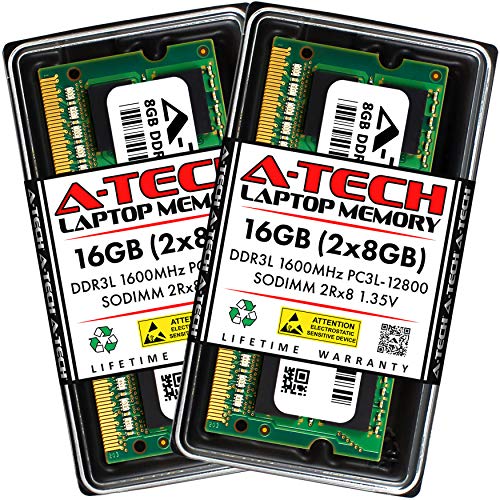
A-Tech DDR3L RAM 16GB Kit (2x8GB) 1600MHz PC3L-12800 SODIMM Laptop Memory
- Memory Capacity: 16GB Kit (2x8GB)
- Memory Type: DDR3L SO-DIMM 1600MHz
- Voltage: 1.35V Low Voltage
As an affiliate, we earn on qualifying purchases.
As an affiliate, we earn on qualifying purchases.
Next Steps in Europe’s Semiconductor Policy and Industry Development
European policymakers are expected to accelerate efforts to develop domestic chip manufacturing through increased funding and strategic initiatives, such as the EU Chips Act. Meanwhile, industry players may seek to diversify supply sources or form new alliances to reduce dependence on external suppliers. Monitoring of Apple’s negotiations and China’s supply policies will be key to understanding future market dynamics.
high bandwidth memory (HBM) modules
As an affiliate, we earn on qualifying purchases.
As an affiliate, we earn on qualifying purchases.
Key Questions
Why is Apple interested in Chinese memory chips despite geopolitical tensions?
Apple seeks to secure supply amid a global shortage of memory chips, and China remains a major producer with available capacity, despite political and trade tensions.
What are Europe’s main limitations in developing its own memory chip industry?
Europe lacks the necessary manufacturing capacity, design expertise, and significant investments needed for advanced memory production, compounded by regulatory and financial barriers.
Could Europe’s dependency on external suppliers threaten its technological sovereignty?
Yes, reliance on imports from Asia and the US exposes Europe to supply disruptions, geopolitical risks, and higher costs, undermining its strategic independence.
What measures is Europe taking to improve its chip manufacturing capacity?
Europe is implementing initiatives like the EU Chips Act, increased subsidies, and fostering strategic alliances, but significant challenges remain to reach self-sufficiency.
How might US-China tensions influence global memory chip supply chains?
Trade restrictions and export controls could limit supply options, prompting companies like Apple to seek alternative sources, which may reshape global supply networks.
Source: ThorstenMeyerAI.com