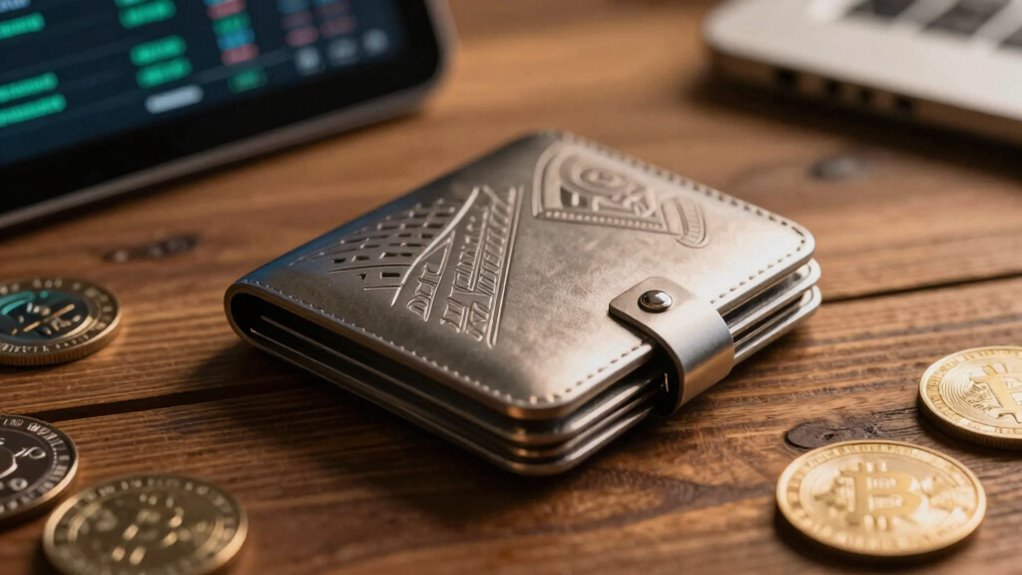

By setting up a secure personal wallet, like a hardware or reputable software option, you keep control of your assets during an exchange freeze. Properly backing up your recovery seed phrase and using strong passwords ensures quick access if the exchange shuts down. Avoid storing sensitive info online to prevent hacking. Taking these steps helps you stay in control and protect your investments when exchanges face instability. Keep exploring to discover essential tips that can truly safeguard your funds.

Get hardware and tech essentials delivered free — and shop member deals
- Fast, free delivery on millions of items
- Access to Prime Big Deal Days deals on October 6–7
- Prime Video, Amazon Music and more included
Key Takeaways
- Properly set up secure, offline wallets like hardware wallets to maintain control during exchange freezes.
- Regularly back up wallet seed phrases offline to ensure quick recovery if access is lost.
- Use strong, unique passwords and enable two-factor authentication for added wallet security.
- Avoid storing recovery seed phrases digitally or online to prevent hacking risks.
- Diversify storage methods and stay informed about security best practices for resilient asset protection.
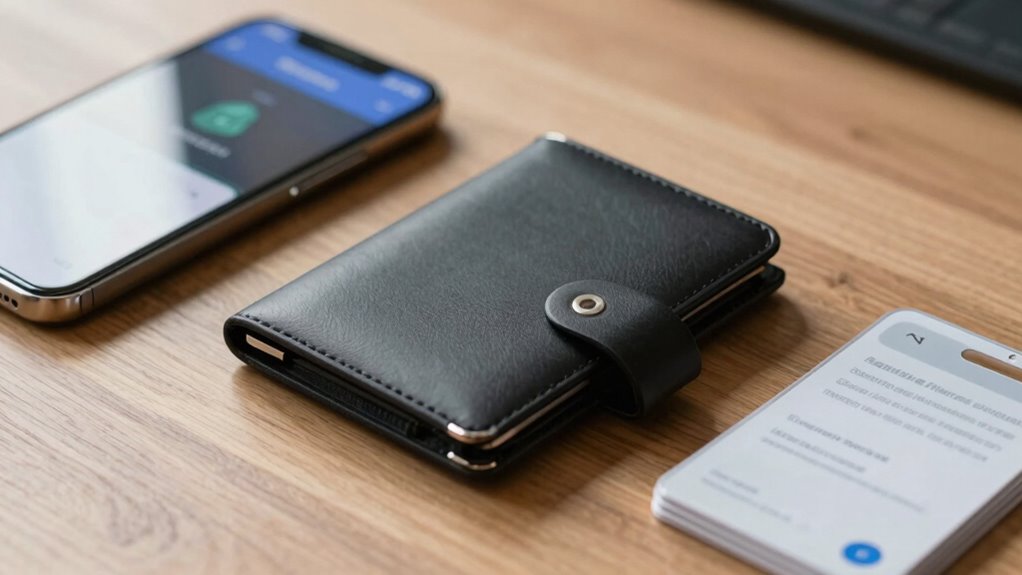
When an exchange suddenly freezes withdrawals, having a secure and accessible wallet can make all the difference. During these moments, your primary concern is gaining control over your assets, and that’s where proper wallet setup becomes essential. Confirming strong cryptocurrency security means you’re not entirely dependent on the exchange’s infrastructure, which can become vulnerable during crises. You need a wallet that you control fully—preferably a hardware wallet or a reputable software wallet—that keeps your private keys safe from hacking or shutdowns. Never underestimate the importance of a wallet backup. Regularly backing up your wallet ensures you won’t lose access to your funds if your device is lost, stolen, or damaged. A backup allows you to restore your wallet quickly, avoiding the chaos and delays that come with exchange freezes.
When setting up your wallet, prioritize security measures right from the start. Use complex, unique passwords and enable two-factor authentication whenever possible. With cryptocurrency security in mind, consider using hardware wallets for larger holdings. Hardware wallets store your private keys offline, safeguarding your assets from online threats. If you prefer software wallets, choose reputable providers that offer encryption and robust security features. Once your wallet is configured, make sure to generate a secure backup. Write down your recovery seed phrase on paper and store it in a safe, offline location. Avoid digital copies or cloud storage, which can be vulnerable to hacking. The ability to recover your wallet through this seed phrase is critical in times of exchange freezes, preventing you from being locked out of your funds. Strong security practices are vital to maintaining your financial safety and peace of mind. Additionally, understanding the different cookie categories and how they influence your online privacy can help you manage your digital security more effectively, especially during times of financial uncertainty. Being aware of potential cybersecurity threats and remaining vigilant is essential in protecting your assets. Remember, the key to safeguarding your assets during uncertain times is proactive preparation—strong cryptocurrency security practices combined with a reliable wallet backup provide peace of mind. Incorporating security best practices into your setup will make your assets more resilient against potential threats. Staying informed about law updates related to digital assets can also help you adapt your strategies accordingly. When the next exchange freeze hits, you’ll be empowered to act swiftly, ensuring your assets remain under your control and minimizing potential losses.
As an affiliate, we earn on qualifying purchases.
Frequently Asked Questions
What Types of Wallets Are Safest During an Exchange Freeze?
During an exchange freeze, hardware security wallets are your safest option because they store your funds offline, protecting them from online threats. You should also diversify your wallet holdings to reduce risk, spreading assets across hardware, software, and paper wallets. By combining hardware security with wallet diversification, you guarantee your assets remain accessible and secure, even if exchanges face restrictions or outages.
How Long Can a Typical Exchange Freeze Last?
A typical exchange freeze can last from a few days to several weeks, depending on cryptocurrency regulations and the exchange’s liquidity. For example, during India’s 2018 banking restrictions, some exchanges froze withdrawals for weeks. Your best bet is to keep funds in a secure wallet, especially during uncertain periods, because prolonged freezes can happen unexpectedly. Knowing how long these can last helps you plan your transactions and protect your assets.
Can I Access My Funds During a Freeze With a Cold Wallet?
Yes, you can access your funds during a freeze with a cold wallet. Since your private keys are stored offline on hardware security devices, you retain full control even when exchanges are frozen. This setup guarantees your assets remain accessible without relying on the exchange’s infrastructure. By securely managing your private keys, you protect your funds from potential exchange disruptions and maintain control during any freeze or system outage.
What Are the Risks of Holding Funds Outside Exchanges?
Holding funds outside exchanges exposes you to risks like lack of regulatory compliance and limited insurance coverage. Without the protections exchanges provide, your assets aren’t insured if hacked or lost. You also face potential legal issues if regulations change, and your funds could be frozen or seized without warning. While self-custody offers control, understanding these risks helps you make informed decisions about safeguarding your crypto investments.
How Often Should I Review My Wallet Security?
You should review your wallet security regularly, ideally every few months, to stay ahead of threats. Conduct security audits to identify vulnerabilities and update your security measures accordingly. Always prioritize phishing prevention by verifying links and avoiding suspicious emails. Frequent reviews help you spot potential issues early, ensuring your funds remain safe. Staying vigilant and proactive protects your wallet from evolving cyber threats and enhances your overall security.
As an affiliate, we earn on qualifying purchases.
Conclusion
By setting up your wallet now, you’re gently fortifying your financial garden against unexpected storms. Think of it as planting seeds for peace of mind, ensuring your assets remain accessible when the clouds gather. This simple step isn’t just about security—it’s about cultivating resilience in a landscape that can shift overnight. So, take action today and nurture your financial future quietly; tomorrow’s calm starts with your mindful choices today.
As an affiliate, we earn on qualifying purchases.
two-factor authentication for crypto
As an affiliate, we earn on qualifying purchases.
As an affiliate, we earn on qualifying purchases.
Fall Picks
fall essentials
As an affiliate, we earn on qualifying purchases.