

You might find it surprising that nearly 15% of Brazilians are considering swapping their traditional bank accounts for cryptocurrencies, according to a recent YouGov survey. This trend hints at a significant shift in how people view financial systems, especially among younger, more educated individuals. With rising concerns about inflation and currency devaluation, many are turning to digital assets. What does this mean for the future of banking in Brazil?

Get hardware and tech essentials delivered free with Prime
- Fast, free delivery on millions of items
- Prime Video, Amazon Music and more included
- Member-only deals all year
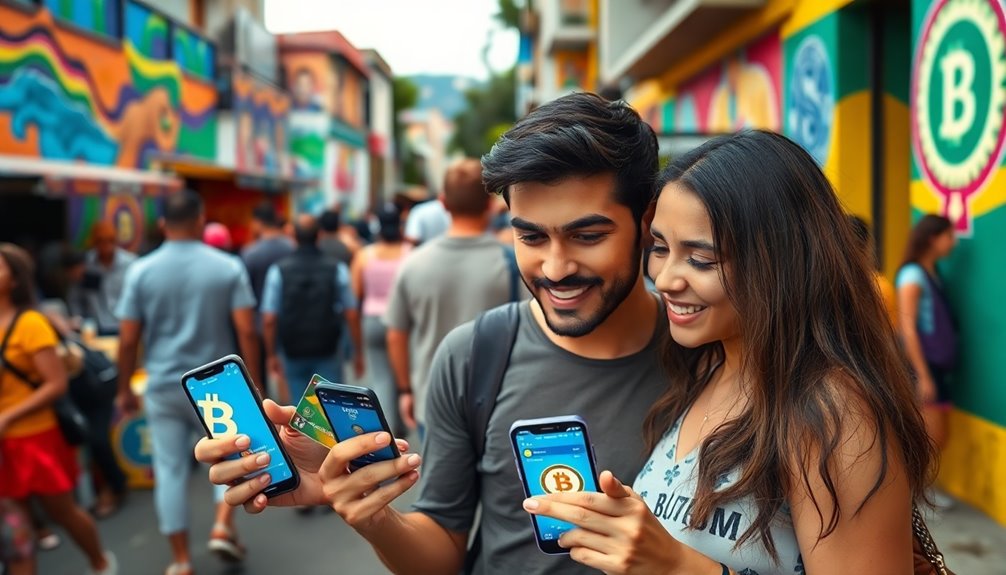
As Brazil embraces the digital age, many of you might find yourselves considering a shift from traditional bank accounts to cryptocurrencies. A recent YouGov survey reveals that nearly 15% of Brazilians are ready to make this leap. This growing interest in digital assets reflects a broader trend in the country, where 41% of the population already owns or has owned cryptocurrencies. It's a sign that more people are looking to escape the limitations of conventional banking.
The regulatory framework in Brazil is evolving to support this shift. The Cryptoassets Act, enacted in June 2023, designates the central bank as the primary supervisor of the crypto economy. This regulatory clarity not only promotes innovation but also protects consumers and enhances digital asset management practices among users.
With payment institutions like Mercado Bitcoin and Transfero being integrated into the financial system, you can feel more secure about entering the crypto space. It's a balancing act that seeks to foster growth while ensuring your interests are safeguarded.
Digital literacy plays a significant role in this trend. Many Brazilians are already familiar with digital payment systems like Pix, which has increased acceptance of online transactions. As digital banks like Nubank expand into cryptocurrencies, they make it easier for you to explore these new financial avenues.
However, while interest in crypto is high, overall crypto literacy remains low, so it's essential to educate yourself as you navigate this landscape. Gender parity in crypto ownership and knowledge shows that both men and women are equally interested in these digital assets, further driving adoption across demographics.
Economic factors also drive this shift. With inflation and currency devaluation impacting your purchasing power, cryptocurrencies offer an attractive alternative. In times of financial instability, the idea of a stable store of value becomes appealing.
High transaction costs in traditional banking can push you toward crypto as a more cost-effective solution. Many are diving into cryptocurrencies not just for everyday transactions but primarily for speculative investments, seeking to diversify their portfolios in uncertain economic times.
Lastly, social factors contribute to this phenomenon. The gender parity in crypto adoption indicates that both men and women are equally interested, showcasing a sophisticated understanding of finance among Brazilians.
Younger, educated individuals are particularly engaged, reflecting a demographic shift toward digital finance.
In this rapidly changing landscape, the possibility of exchanging your bank account for cryptocurrencies is becoming more realistic. As you weigh your options, consider the benefits and risks, and stay informed to make the best decision for your financial future.
cryptocurrency wallets for beginners
As an affiliate, we earn on qualifying purchases.
As an affiliate, we earn on qualifying purchases.
hardware crypto wallets for secure storage
As an affiliate, we earn on qualifying purchases.
As an affiliate, we earn on qualifying purchases.
digital banking apps with crypto integration
As an affiliate, we earn on qualifying purchases.
As an affiliate, we earn on qualifying purchases.
As an affiliate, we earn on qualifying purchases.
Fall Picks
fall essentials
As an affiliate, we earn on qualifying purchases.