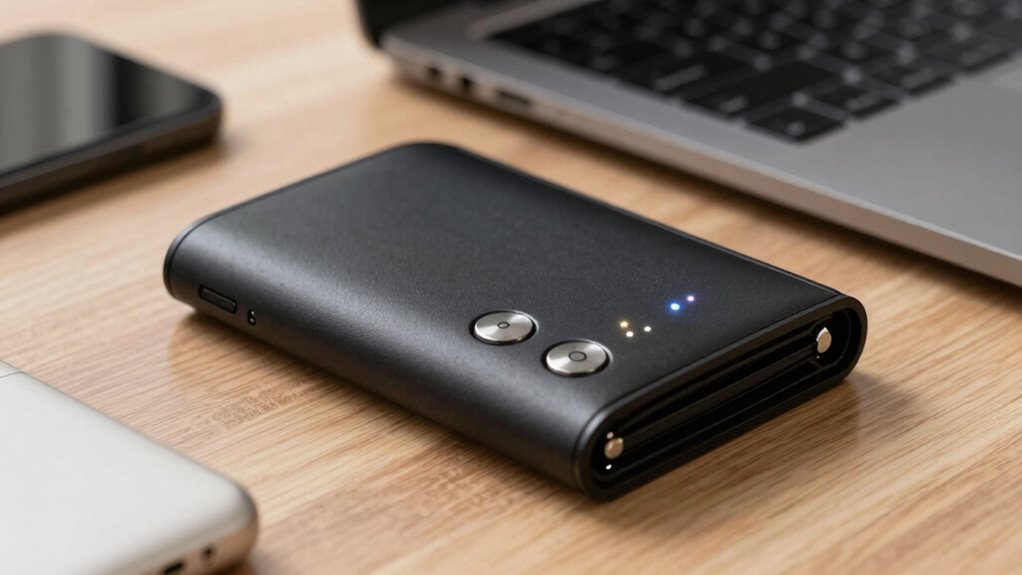

Wallet security hardware is back in the spotlight because cyber threats are becoming more sophisticated and targeted. Hackers use convincing phishing schemes and malware to access sensitive information, putting your digital assets at risk. Hardware wallets create a physical barrier, keeping private keys offline and protected from online attacks. They also prevent social engineering tricks and phishing scams. If you want to understand how these devices can safeguard your digital wealth, there’s much more to explore.
Key Takeaways
- Increasing cyber threats and sophisticated hacking tactics highlight the need for physical security measures like hardware wallets.
- Hardware wallets offer a tamper-proof environment, isolating private keys from internet-connected devices.
- Growing cryptocurrency adoption demands secure, user-friendly solutions to protect digital assets effectively.
- Advanced security features such as PINs and biometrics enhance protection against social engineering and theft.
- Continual security improvements address evolving cyber risks, reaffirming hardware wallets’ essential role in asset safeguarding.
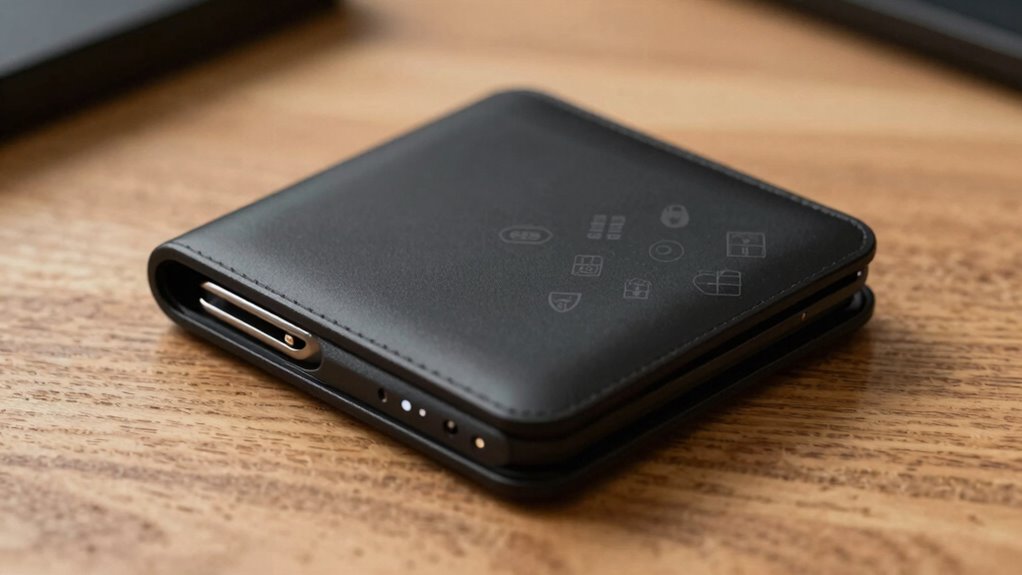
Are you worried about keeping your digital assets safe? In today’s digital landscape, protecting your digital identity has never been more essential. As cyber threats evolve, traditional security measures often fall short, making hardware wallet security more pertinent than ever. Wallet security hardware provides a physical barrier that keeps your private keys offline, reducing the risk of hacking or malware attacks. Unlike software wallets, which are vulnerable to phishing protection failures or malware infiltration, hardware devices store your keys securely within a tamper-proof environment. This added layer of protection guarantees that your funds aren’t just safe from hackers but also shielded from social engineering tricks that target digital identities.
The resurgence of wallet security hardware comes from the increasing sophistication of cybercriminals. Phishing attacks, in particular, have become more convincing, tricking even seasoned users into revealing sensitive information. Hardware wallets mitigate this risk by keeping your private keys isolated from internet-connected devices. When you perform a transaction, the hardware device signs it internally, never exposing your keys to the potentially compromised device or malicious websites. This process markedly enhances phishing protection because your sensitive data remains within the secure hardware environment, preventing unauthorized access. Additionally, hardware security features are continuously improving to counteract new hacking techniques, which helps maintain their effectiveness. Staying informed about cybersecurity best practices is essential to leveraging these advanced security features effectively.
Another reason why wallet security hardware is back in the spotlight is the growing adoption of cryptocurrencies and digital assets. As more people invest in digital currencies, the need for robust security measures intensifies. Hardware wallets are designed with user-friendly interfaces that make securing your assets straightforward, even if you’re not a tech expert. They also often include features like PIN codes and biometric authentication, adding extra layers of security. These devices serve as a physical proof of ownership, making it easier to verify your identity and prevent unauthorized access, which is especially important if you’re concerned about maintaining control over your digital identity. Additionally, physical security plays a crucial role in comprehensive digital asset protection, reinforcing the importance of hardware solutions. As the cybersecurity landscape continues to evolve, staying informed about new threats is essential to ensure your assets remain protected.

TANGEM Crypto Wallet Pack of 2 – Trusted Cold Storage Hardware Wallet
- Proven Security: Over 9 years of secure card issuance
- Military-Grade Encryption: EAL6+ security keeps private keys safe
- Easy Wallet Management: Tap once to access 90 blockchains
As an affiliate, we earn on qualifying purchases.
As an affiliate, we earn on qualifying purchases.
Frequently Asked Questions
How Does Hardware Wallet Protection Compare to Software Wallets?
Hardware wallets provide superior protection compared to software wallets because they use cold storage, keeping your private keys offline, which reduces hacking risks. When you make a transaction, the device creates a digital signature securely within the hardware, preventing exposure to online threats. In contrast, software wallets are more vulnerable since they store keys on internet-connected devices, increasing potential security breaches. Hardware wallets offer a safer, more secure way to manage your crypto assets.
Are Hardware Wallets Resistant to All Types of Cyberattacks?
Sure, hardware wallets are resistant to many cyberattacks, but they’re not invincible. You might think biometric security and physical theft protections make them foolproof, yet clever hackers can still exploit vulnerabilities or target the device physically. So, while they considerably reduce risks, don’t assume they’re resistant to *all* cyberattacks. Always pair hardware wallets with good security habits—no device is entirely bulletproof.
What Is the Lifespan of a Typical Hardware Wallet?
A typical hardware wallet lasts around 3 to 5 years, though this depends on usage and build quality. As cryptocurrency regulations evolve, it’s wise to contemplate digital asset diversification, spreading your holdings across different wallets and assets. Regular firmware updates and careful handling can extend your device’s lifespan, ensuring your crypto investments stay secure amid changing regulations and increasing security threats.
Can Hardware Wallets Be Hacked Remotely?
Hardware wallets can be hacked remotely, but it’s quite difficult thanks to quantum encryption and physical theft prevention features. They use advanced cryptography to resist hacking attempts, making remote attacks unlikely. However, you should still stay cautious—avoid phishing scams and keep your recovery seed secure. Physical theft remains a risk, but many wallets include PINs or biometric locks to prevent unauthorized access, adding extra layers of security.
How Often Should I Update My Hardware Wallet’s Firmware?
You should update your hardware wallet’s firmware as soon as updates are available. Think of firmware updates like regular check-ups for your car — they keep things running smoothly and securely. Staying current with firmware updates and following security practices guarantees your wallet remains protected against new threats. Regular updates, ideally every few months, help close vulnerabilities and keep your crypto safe, just like routine maintenance preserves your car’s performance.

The HODL Bundle by BillFodl (1 Main Unit, 1 Set Tamper-Proof Stickers, 1 Fodl Hodler) | Bitcoin, Ethereum & Crypto Wallet – Hardware Wallet Backup for Crypto Wallets
- Indestructible Cold Storage: Fireproof, waterproof, shockproof, hacker-proof
- Secure Offline Storage: Protects seed phrases for cryptocurrencies
- Universal Compatibility: Fits all BIP39 wallets and hardware wallets
As an affiliate, we earn on qualifying purchases.
As an affiliate, we earn on qualifying purchases.
Conclusion
As you hold your hardware wallet, remember it’s more than just a tool—it’s your fortress in a stormy digital sea. Like a lighthouse guiding ships safely to shore, it stands as a symbol of security amid the chaos. Trust in its strength, let it be your steady beacon, illuminating the path to peace of mind. In this digital age, your wallet’s protection isn’t just hardware—it’s your sanctuary, your unwavering anchor.

Arculus Crypto Cold Storage Wallet, Secure Bitcoin Wallet, Supports 95% of Cryptocurrency Market Cap, 3-Factor Authentication, Black
- Enhanced Security: 3-factor authentication with biometric, PIN, and card
- Easy Crypto Transactions: Send, swap, receive with a tap
- Secure Element Technology: CC EAL6+ encryption for key protection
As an affiliate, we earn on qualifying purchases.
As an affiliate, we earn on qualifying purchases.
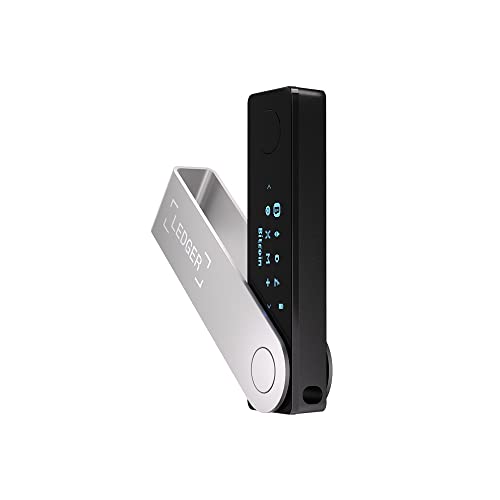
Ledger Nano X Crypto Wallet Signer – Securely Manage All Your Crypto Assets with This Bluetooth Enabled Classic – Onyx Black
- All-in-One Crypto Management: Buy, sell, swap, stake, and more for 15,000+ coins
- Market Monitoring Tools: Track performance, compare providers, get alerts
- Bluetooth & Mobile Access: Secure Bluetooth connectivity for iOS and Android
As an affiliate, we earn on qualifying purchases.
As an affiliate, we earn on qualifying purchases.