

To stake Solana and earn rewards, you need to use a compatible wallet like Phantom or Solflare to delegate your SOL tokens to a trusted validator. Once you’ve selected a validator based on their performance metrics, confirm the delegation transaction within your wallet. Your tokens stay in your wallet but are now staked, earning rewards over time. If you want to learn more about optimizing your staking and managing your rewards, keep exploring how it all works.
Key Takeaways
- Set up a compatible wallet like Phantom, Sollet, or Solflare and fund it with SOL tokens.
- Select a reputable validator based on performance metrics such as uptime, voting power, and commission.
- Delegate your SOL tokens to the chosen validator through your wallet interface.
- Confirm the delegation transaction; your tokens remain in your wallet but are locked for staking.
- Earn staking rewards proportionally over time, with flexibility to withdraw or redelegate as needed.

Staking Solana offers a straightforward way to earn passive income while supporting the network’s security. When you stake your SOL tokens, you’re helping to validate transactions and maintain the integrity of the blockchain. This process involves delegating your tokens to validator nodes, which are responsible for confirming blocks and securing the network. By doing so, you participate directly in the network’s operations and earn rewards proportional to your stake. It’s an accessible method to contribute to Solana’s high-performance ecosystem without needing technical expertise or running a validator node yourself.
To get started, you’ll need a compatible wallet that supports staking, such as Sollet, Phantom, or Solflare. Once you’ve set up your wallet and funded it with SOL tokens, you can choose a validator node to delegate your stake. It’s important to research validators carefully—look for those with a good track record, solid uptime, and transparent operations. Many staking platforms or wallets display validator performance metrics, including voting power, commission fees, and reliability. Delegating to a reputable validator helps guarantee your rewards are maximized and your stake remains secure, as validator nodes are essential for maintaining network security and performance.
Delegating your tokens is a simple process. You select the validator you trust, input the amount of SOL you want to stake, and confirm the delegation. Once delegated, your tokens remain in your wallet, but they’re effectively locked for staking purposes. It’s worth noting that staking on Solana is flexible—you can withdraw or redelegate your stake at any time, usually with a brief unbonding period. This flexibility allows you to adjust your staking strategy based on validator performance or changing market conditions. Additionally, understanding the importance of a high contrast ratio can help you optimize your home setup for better viewing quality when designing your own home cinema space.
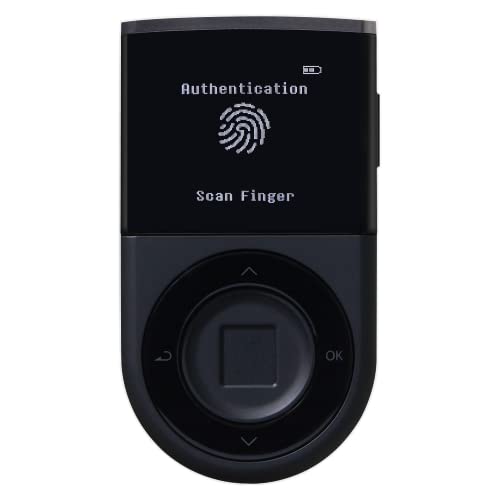
D'CENT Hardware Wallet – Biometric Cold Wallet for Crypto with Fingerprint Authentication | Secure Bluetooth Storage for Bitcoin, Ethereum, XRP, XDC, Solana, Stablecoins & More
UNMATCHED SECURITY WITH BIOMETRIC PROTECTION – Protect your crypto with certified EAL5+ Secure Element chip and advanced fingerprint…
As an affiliate, we earn on qualifying purchases.
As an affiliate, we earn on qualifying purchases.
Frequently Asked Questions
What Are the Minimum Requirements to Start Staking Solana?
You need at least 1 SOL to start staking, which covers the minimum delegation amount. First, choose a reliable staking pool, then complete the delegation process through your wallet. This process involves selecting the pool and confirming your delegation. Keep in mind, the more SOL you stake, the higher your potential rewards. verify your wallet is secure and always double-check the pool’s reputation before delegating your tokens.
How Long Does It Take to Earn Rewards After Staking?
You’ll start earning staking rewards within a few epochs, typically about 2-3 days after you stake your Solana. Reward distribution occurs regularly, often every epoch, which is roughly 2 days. Once staking rewards are distributed, you can see your earnings in your wallet. Keep in mind, consistent participation and network activity influence how quickly you see rewards, so stay engaged for the best results.
Can I Stake Solana Using a Hardware Wallet?
Yes, you can stake Solana using a hardware wallet, which offers enhanced security through hardware wallet security features. Just make certain your hardware wallet is compatible with staking hardware compatibility requirements for Solana. Many popular wallets support staking functions, allowing you to securely manage your tokens while earning rewards. Always keep your device firmware updated and follow best practices to protect your private keys during staking.
What Happens if the Validator I Stake With Goes Offline?
If the validator you stake with goes offline, your staked tokens won’t earn rewards during that downtime, and prolonged validator downtime can lead to slashing risks. Slashing penalizes you by reducing your staked amount if the validator behaves maliciously or remains offline for too long. To protect your rewards, choose reliable validators, monitor their status, and consider diversifying your stake to minimize the impact of validator downtime.
Are There Any Tax Implications for Staking Rewards?
Staking rewards can feel like winning the lottery, but they might also have tax implications you can’t ignore. You’ll need to track and report your rewards as income, which could increase your tax obligations. Depending on your jurisdiction, you may owe taxes when you receive or sell your rewards. Stay on top of reporting obligations to avoid surprises during tax season — consult a tax professional for personalized advice.
Solana validator staking platform
As an affiliate, we earn on qualifying purchases.
As an affiliate, we earn on qualifying purchases.
Conclusion
Staking Solana gently guides you into the network’s rhythm, allowing your participation to quietly grow. As you contribute, rewards naturally flow, like subtle ripples on a calm pond. By staking wisely, you’re gently nurturing your crypto journey without much fuss. Remember, patience and consistency are your best friends here. Embrace the process, and over time, your efforts will softly blossom into meaningful rewards, enriching your experience on this vibrant proof-of-history network.

Mastering Altcoins: Maximizing Your Investment Returns
As an affiliate, we earn on qualifying purchases.
As an affiliate, we earn on qualifying purchases.
D'CENT Hardware Wallet – Biometric Cold Wallet for Crypto with Fingerprint Authentication | Secure Bluetooth Storage for Bitcoin, Ethereum, XRP, XDC, Solana, Stablecoins & More
UNMATCHED SECURITY WITH BIOMETRIC PROTECTION – Protect your crypto with certified EAL5+ Secure Element chip and advanced fingerprint…
As an affiliate, we earn on qualifying purchases.
As an affiliate, we earn on qualifying purchases.