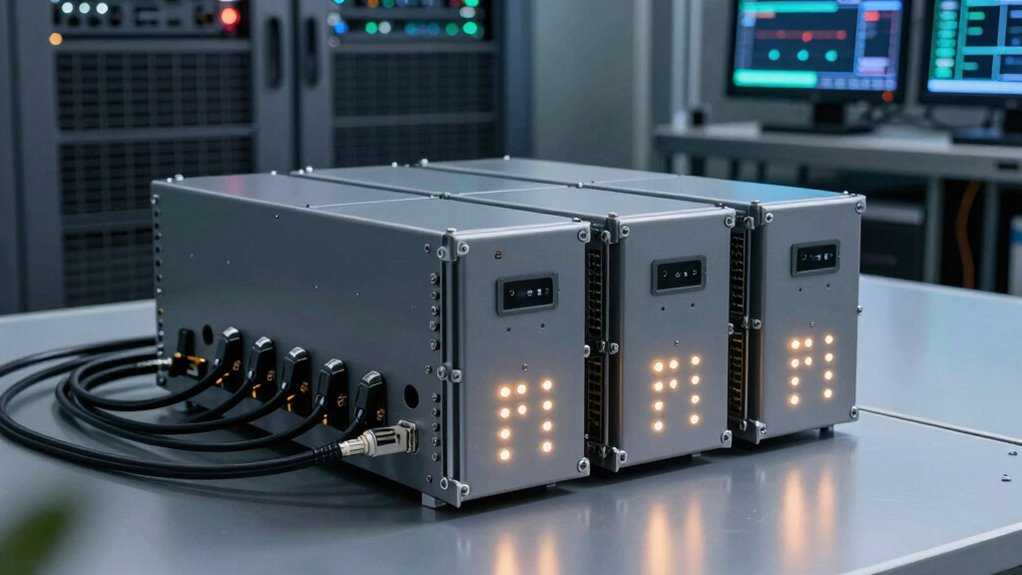

To safeguard your mining network uptime, you should implement a backup battery setup combined with power supply redundancy strategies. Use multiple power sources, including UPS systems with enough capacity, to act as a buffer during outages. Regularly maintain and test your backup batteries, and monitor their health with specialized software. Consider environmental factors like temperature for longer lifespan. continuing will reveal more tips to ensure your system stays operational no matter what happens.

Get hardware and tech essentials delivered free — and shop member deals
- Fast, free delivery on millions of items
- Access to Prime Big Deal Days deals on October 6–7
- Prime Video, Amazon Music and more included
Key Takeaways
- Implement multiple power sources and UPS systems to ensure continuous supply during outages.
- Regularly test and maintain backup batteries to ensure quick activation when needed.
- Use real-time monitoring tools to track battery health and detect issues early.
- Develop and routinely update emergency power protocols for swift response.
- Control environmental factors like temperature and humidity to extend battery lifespan and reliability.
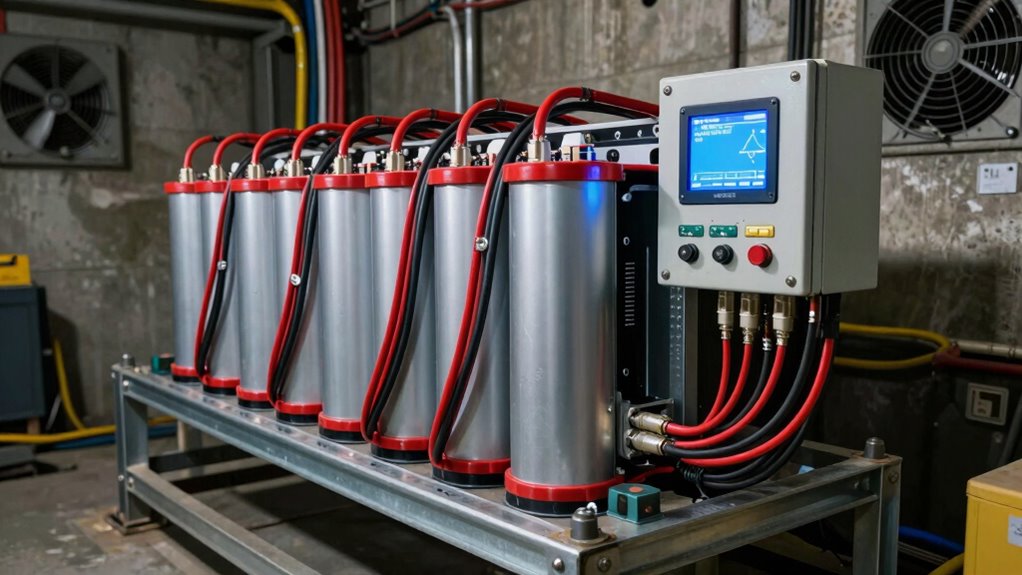
Have you ever experienced a power outage that left your devices in the dark? If you’re managing a mining network, you know how critical continuous uptime is. Power disruptions can halt operations, cause data loss, and lead to costly downtime. That’s why setting up a reliable backup battery system is essential. A well-designed backup battery setup ensures your network stays operational, even when the main power supply fails. It’s about more than just having a backup; it’s about implementing power supply redundancy and emergency power protocols that keep your mining operations running smoothly.
Ensuring continuous mining operations with reliable backup batteries and robust emergency power protocols.
Power supply redundancy is the cornerstone of a resilient backup system. This means having multiple power sources, so if one fails, others take over without interrupting your network. Installing uninterruptible power supplies (UPS) with sufficient capacity ensures your critical hardware remains powered during outages. These systems act as a buffer, bridging the gap until mains power is restored or backup generators kick in. Redundancy isn’t just about adding extra batteries; it’s about designing a layered approach that minimizes failure points, giving you confidence that your mining operations won’t be compromised by a sudden blackout. Incorporating power supply redundancy into your setup enhances overall system reliability and minimizes downtime risks. Additionally, understanding battery capacity planning is vital to ensure your backup system can handle extended outages without failure. Proper system testing and maintenance further guarantees your backup batteries will perform when needed.
Emergency power protocols are equally indispensable. You need clear, tested procedures for when the power goes out. This involves automating responses so that your backup batteries activate immediately, reducing downtime. Regular maintenance and testing of your backup batteries are essential to guarantee their effectiveness when needed. You should also establish protocols for quick replacement or repair of failing components to prevent unexpected outages. Having a well-documented emergency plan allows your team to respond swiftly, keeping disruptions to a minimum. Additionally, understanding battery health management can extend the lifespan and reliability of your backup system, ensuring readiness when it’s most needed.
Furthermore, integrating your backup system with your overall network management is essential. Monitoring software can provide real-time insights into battery health, charge levels, and system status. This proactive approach helps you catch potential issues early, avoiding unexpected failures. You also want to consider environmental factors like temperature and humidity, which can impact battery performance over time. Proper placement and climate control help extend your backup batteries’ lifespan, ensuring they’re ready when you need them most.
In essence, your backup battery setup isn’t just about having spare power; it’s about creating a comprehensive system that incorporates power supply redundancy and emergency power protocols. This approach guarantees your mining network stays online, no matter what surprises power outages may bring. By investing in reliable backup solutions and maintaining strict protocols, you protect your operations from costly interruptions and keep your mining network running smoothly around the clock.
Uninterruptible Power Supply (UPS) for mining
As an affiliate, we earn on qualifying purchases.
As an affiliate, we earn on qualifying purchases.
Frequently Asked Questions
How Long Should the Backup Battery Last During Power Outages?
Your backup battery should last at least 4 to 6 hours during power outages to guarantee continuous mining operations. Focus on battery capacity, which determines how much energy it can store, directly affecting power duration. A higher capacity battery provides a longer runtime, giving you enough time to switch to backup power sources or resolve outages without risking network downtime. Regularly monitor and maintain your batteries for peak performance.
What Is the Typical Cost of Implementing a Backup Battery System?
The typical cost of implementing a backup battery system varies based on size and capacity, usually ranging from a few thousand to tens of thousands of dollars. You should consider battery lifespan and maintenance costs in your budget, as higher-quality batteries often last longer and reduce replacement expenses. Keep in mind that investing in reliable backup power can prevent costly downtime, making it a worthwhile financial consideration for maintaining mining network uptime.
How Often Should Backup Batteries Be Maintained or Replaced?
Think of your backup batteries as the steady heartbeat of your mining operation. You should check and maintain them regularly—at least every six months—according to a strict maintenance schedule. Battery lifespan varies, but most last around three to five years with proper care. Keep an eye on performance indicators, and replace batteries promptly when they near the end of their lifespan, ensuring there’s no downtime when you need backup power the most.
Can Backup Batteries Be Integrated With Existing Mining Hardware?
Yes, you can integrate backup batteries with your existing mining hardware, but you need to check battery compatibility first. Confirm the batteries match your system’s voltage and capacity requirements. Additionally, you’d want to follow proper charging protocols to prevent overcharging or undercharging, which can shorten battery life. Consulting your hardware manufacturer or a professional installer can help optimize integration and guarantee seamless backup power during outages.
What Safety Precautions Are Necessary When Installing Backup Batteries?
When installing backup batteries, you should prioritize battery safety by following strict installation guidelines. Guarantee proper ventilation to prevent overheating, use appropriate protective gear, and verify that all connections are secure and correctly insulated. Avoid overloading circuits and regularly inspect the batteries for signs of damage or corrosion. Adhering to these safety precautions minimizes risks, protects your equipment, and helps maintain reliable mining network uptime.
Backup battery system for data centers
As an affiliate, we earn on qualifying purchases.
As an affiliate, we earn on qualifying purchases.
Conclusion
By investing in a reliable backup battery setup, you gently guarantee your mining network stays steady, even when unforeseen currents attempt to sway it. Think of it as a quiet guardian, softly safeguarding your operations without fuss. With this subtle shield in place, you can focus on growth and innovation, confident that your system remains resilient. Embrace this peaceful safeguard, and let your mining journey flow smoothly, no matter what surprises come your way.
Battery monitoring software for UPS
As an affiliate, we earn on qualifying purchases.
As an affiliate, we earn on qualifying purchases.
High capacity backup batteries for mining operations
As an affiliate, we earn on qualifying purchases.
As an affiliate, we earn on qualifying purchases.
Fall Picks
fall essentials
As an affiliate, we earn on qualifying purchases.