
To use a block explorer without doxxing yourself, avoid linking personal information or main wallet addresses. Use a VPN or privacy-focused browser to hide your IP, and generate new, one-time addresses for each search to stay anonymous. Limit sharing screenshots or transaction details online, and consider employing privacy tools like mixers if necessary. By adopting these practices, you’ll better protect your identity—continue exploring for more tips to stay secure.
Key Takeaways
- Use VPNs or privacy-focused browsers to mask your IP address during blockchain exploration.
- Generate and search with new, one-time wallet addresses instead of your main holdings.
- Avoid sharing or publicly posting transaction IDs or wallet addresses linked to your identity.
- Use anonymized, specific transaction hashes for research, avoiding personal or linked information.
- Employ privacy tools like blockchain mixers to obscure transaction trails before analysis.
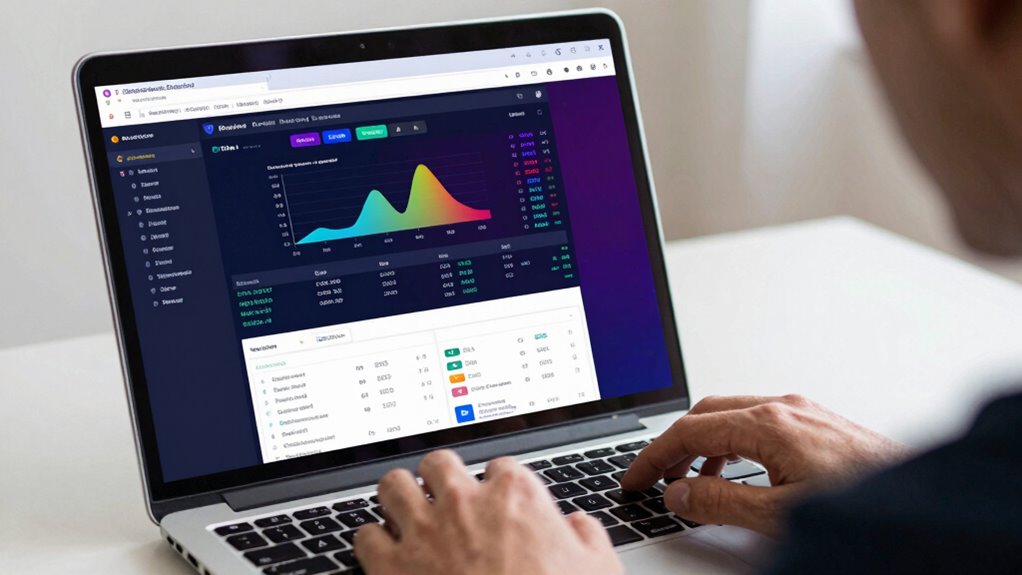
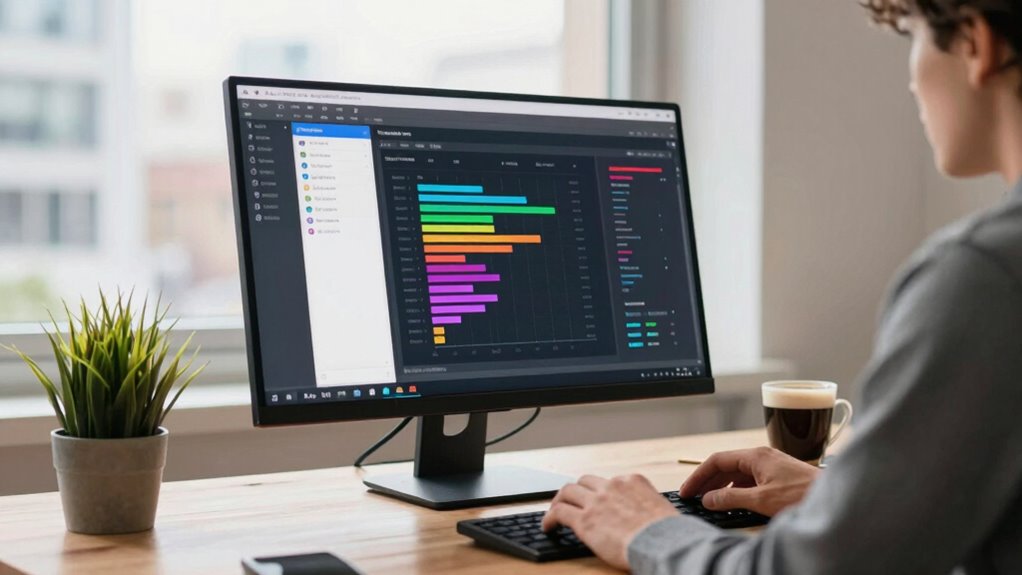
Ever wondered how to track transactions or explore the details of a blockchain? Using a block explorer can seem straightforward, but it’s important to do so without compromising your cryptocurrency privacy. When you look up transaction IDs, wallet addresses, or blocks, you’re fundamentally revealing activity linked to those addresses. While blockchain analysis is designed to be transparent, it can also be used to piece together your transaction history if you’re not careful. That’s why it’s vital to understand how to use a block explorer without doxxing yourself or exposing sensitive information.
Use a block explorer carefully to protect your privacy and prevent revealing sensitive transaction details.
First, recognize that blockchain data is public by design, but your identity isn’t inherently tied to your wallet addresses. To maintain privacy, avoid connecting your personal information or IP address directly to the addresses you’re investigating. When you access a block explorer, use a VPN or privacy-focused browser to mask your IP address, preventing anyone from linking your activity to your real-world identity. Additionally, consider using separate devices or virtual machines for blockchain analysis, so your regular browsing habits aren’t associated with your transaction history.
When searching for transaction details, do so with specific, anonymized wallet addresses or transaction hashes. Be precise but cautious—don’t enter any personal info or addresses linked to your main holdings unless necessary. Remember that blockchain analysis tools can trace transactions across the network, so avoid using addresses connected to your identifiable accounts. Instead, generate new, one-time addresses for research purposes, which helps keep your activities discrete. Using privacy-focused tools] can further enhance your anonymity and make tracing more difficult.
It’s also wise to be mindful of the data you share elsewhere. If you’re discussing blockchain activities or sharing screenshots of your explorer results, strip out any identifiers or metadata that could reveal your identity. Never post wallet addresses or transaction hashes that could be associated with your real-life accounts unless you’re comfortable with that exposure. While block explorers themselves are designed for transparency, your online footprint and how you access them can inadvertently compromise your privacy.
Furthermore, understanding the public nature of blockchain data can help you better grasp how your activities might be traced. Finally, if you’re concerned about privacy, explore privacy-focused blockchain tools or mixers that can obscure transaction trails before you use a block explorer. These add an extra layer of security, making it more difficult for anyone conducting blockchain analysis to link your transactions back to you. By combining these practices—using privacy tools, anonymized addresses, and cautious online habits—you can effectively leverage a block explorer to explore blockchain data while maintaining your cryptocurrency privacy.

Bitcoin & Privacy: How to Protect Your Money, Your Data, & Your Future When Everything You Do Is Being Watched (The Bitcoin Life Series Book 13)
As an affiliate, we earn on qualifying purchases.
As an affiliate, we earn on qualifying purchases.
Frequently Asked Questions
Can I Access a Block Explorer on a Public or Private Network?
You can access a block explorer on both public and private networks. Using a public network poses risks like potential eavesdropping or data interception, so be cautious. On a private network, you benefit from added security and privacy advantages, reducing exposure. Always guarantee you’re using secure connections, especially on public networks, to protect your activity. Switch to private networks for safer, more private access to block explorers.
Are There Specific Browsers Better for Privacy When Using Block Explorers?
You should choose privacy-focused browsers like Tor or Brave to keep your activity hidden. These browsers actively block tracking cookies and reduce your browser fingerprinting, making you nearly invisible online. Regular browsers leave a trail of data that can be easily tracked. By using a privacy-centric browser, you protect yourself from prying eyes, ensuring your blockchain exploration stays anonymous and secure, no matter how deep you go.
How Can I Avoid Linking My Wallet to My Identity?
To avoid linking your wallet to your identity, focus on maintaining wallet pseudonymity and transaction anonymity. Use a new, separate wallet for each activity, and never reuse addresses. Avoid sharing personal details linked to your wallet, and consider privacy tools like VPNs or Tor to mask your IP address. Be cautious with public information and avoid linking your wallet to social media or other identifiable accounts, ensuring your transactions stay private.
Is It Safe to Use a VPN With a Block Explorer?
Yes, using a VPN with a block explorer enhances your VPN security and helps protect you from public network risks. A VPN masks your IP address, making it harder for others to track your activity. However, remember that public networks can still pose risks, so always guarantee your VPN is active and trustworthy. Combining a VPN with good security practices keeps your blockchain exploration safer and more private.
What Are Common Mistakes That Lead to Doxxing When Exploring Blocks?
You should avoid sharing personal info or linking your real identity to wallet addresses, which can lead to doxxing. Using anonymity tips like creating separate, unlinked addresses and employing privacy tools such as VPNs or Tor can protect your identity. Be cautious with public data, and don’t leave traces that connect your activities to you. Staying anonymous requires vigilance and using the right privacy tools consistently.

Really Good Stuff Standard Privacy Shields Set of 12, Blue – Enhance Focus and Create a Distraction-Free Learning Environment – Durable and Easy to Store – Desk Dividers for The Classroom
DESK DIVIDERS FOR STUDENTS: Enhance focus and concentration with this set of 12 matte privacy shields, perfect for…
As an affiliate, we earn on qualifying purchases.
As an affiliate, we earn on qualifying purchases.
Conclusion
Using a block explorer is like having a map in a bustling city—you can see where everything is without revealing your exact location. Just like a savvy traveler keeps their personal details private while exploring new places, you can browse blockchain data securely by following simple privacy tips. Remember, staying cautious online is your best tool—so explore confidently, knowing you’re in control of your digital journey, just like a seasoned navigator steering through familiar streets.
blockchain transaction mixer
As an affiliate, we earn on qualifying purchases.
As an affiliate, we earn on qualifying purchases.
AppleTofu Magnetic Address Book – Tiny Pocket Phone Number Book – Wallet Size, 21 Pages, 9 Lines – Keep Contact Info Handy All Time, Set of 2
Magnetic Wallet-Size Address Book – Stay organized with our compact magnetic wallet-size address book, designed for ultimate convenience….
As an affiliate, we earn on qualifying purchases.
As an affiliate, we earn on qualifying purchases.