
As you consider the implications of new Chinese AI developments, it's clear that models like DeepSeek's R1 are shifting the landscape of semiconductor valuations, particularly for ETFs like SOXX. These innovations are enabling more efficient computing with less powerful chips, challenging traditional investment strategies. With geopolitical tensions and supply chain issues in play, you'll want to understand how these factors could impact your semiconductor investments moving forward.

As the landscape of artificial intelligence evolves, particularly with China's rapid advancements, investors need to reassess the impact on semiconductor ETFs like the iShares PHLX Semiconductor ETF (SOXX). The emergence of innovative AI models, such as DeepSeek's R1, is shifting the paradigm in how AI applications utilize computing power. By achieving efficient computing at scale with less powerful chips, DeepSeek challenges the traditional reliance on brute-force computing, which could significantly alter investment strategies surrounding AI and semiconductor technologies. This advancement aligns with rapid advancements seen across various sectors influenced by emerging technologies.
You might notice that European-listed ETFs, like the Xtrackers Artificial Intelligence & Big Data UCITS ETF, have already felt the sting of these developments, experiencing declines as the market reacts to DeepSeek's innovations. As you consider your investments, it's crucial to understand how this shift could impact the performance of SOXX and similar ETFs. The success of startups like DeepSeek could compel global technology giants to rethink their AI development strategies, potentially leading to a reassessment of their semiconductor needs and investments.
Geopolitical tensions, especially the ongoing U.S.-China chip war, play a pivotal role in shaping semiconductor ETF valuations. Trade disputes and export restrictions can disrupt supply chains, leading to increased volatility. As TSMC's decision to halt AI chip supply affects multiple sectors in China, be aware of how these geopolitical influences may affect the semiconductor sector.
Additionally, technological advancements in AI and IoT are driving demand for advanced semiconductors, which can create supply constraints and price fluctuations. Regulatory changes, like the CHIPS and Science Act, further complicate the landscape. These shifts can reshape the competitive dynamics among semiconductor companies, directly influencing ETF performance.
The recent market turmoil in the semiconductor sector adds another layer of uncertainty, and you should remain vigilant about market volatility and its potential effects on your investments. As Chinese startups innovate with less powerful chips, they're inadvertently fostering a culture of self-sufficiency in semiconductor manufacturing.
This move could lessen reliance on foreign technology, affecting global supply chains and the competitiveness of U.S. firms. In this global race for AI supremacy, it's essential to recognize how these evolving dynamics can impact SOXX and your investment strategy.

As an affiliate, we earn on qualifying purchases.
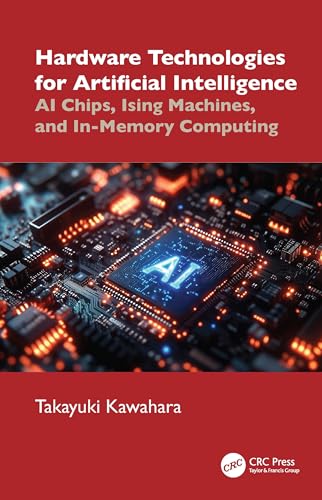
Hardware Technologies for Artificial Intelligence
As an affiliate, we earn on qualifying purchases.
As an affiliate, we earn on qualifying purchases.

A guide to almost foolproof investing
As an affiliate, we earn on qualifying purchases.
As an affiliate, we earn on qualifying purchases.

The Battle for AI Chip Supremacy: US VS. CHINA: The Untold Story of Chinese Companies Disrupting Silicon Valley and Revolutionizing Artificial Intelligence Hardware (AI, TECH, INNOVATION UPDATES)
As an affiliate, we earn on qualifying purchases.
As an affiliate, we earn on qualifying purchases.