
Ignoring the 220V rule can lead to costly damage, electrical fires, and serious safety hazards in your home mining setup. Most mining hardware is designed to run at 220V or higher, not 110V outlets, which can cause overheating, breaker trips, or equipment failure. Without proper electrical compatibility and safety measures, you’re risking your equipment and home. Stay ahead by understanding these rules, and if you keep learning, you’ll avoid common pitfalls and guarantee safe operation.
Key Takeaways
- Many home miners learn the importance of the 220V rule through costly equipment damage caused by incorrect voltage setup.
- Overloading circuits or using 110V outlets for mining hardware can lead to electrical fires and safety hazards.
- Proper electrical assessment and professional installation are essential to prevent overheating and electrical failures.
- Neglecting voltage compatibility and wiring standards often results in breaker trips and hardware malfunctions.
- Regular system checks and adherence to electrical standards help miners avoid expensive repairs and safety risks.
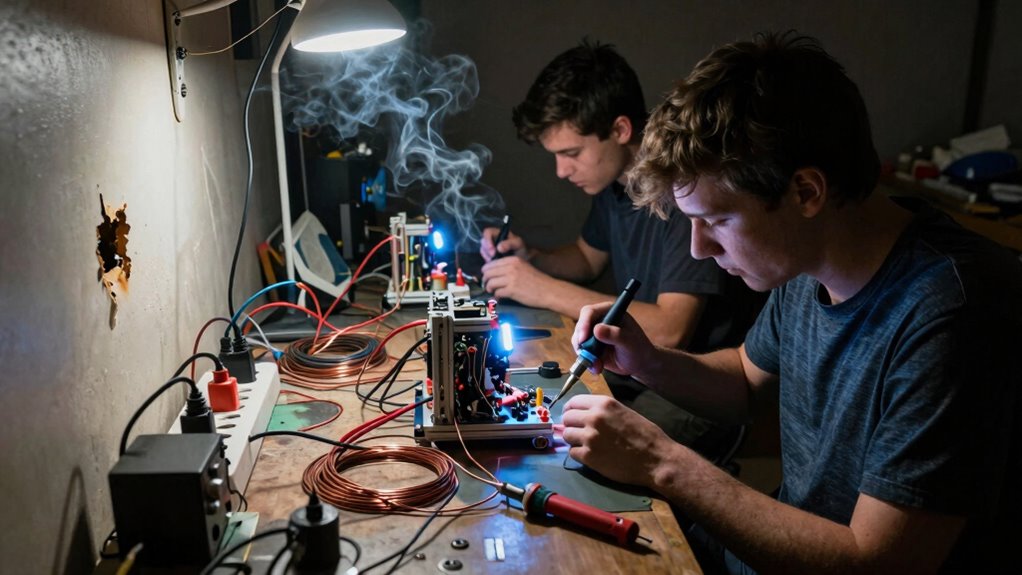
If you’re considering mining cryptocurrencies at home, understanding the 220V rule is vital for safety and efficiency. Many home miners overlook the importance of proper electrical setup, which can lead to costly mistakes or dangerous situations. Power safety isn’t just about avoiding shocks; it’s about guaranteeing that your equipment operates reliably and safely over time. When you’re dealing with high-powered mining rigs, the electrical compatibility of your home’s wiring and outlets becomes a critical factor. If your setup isn’t compatible with the power requirements, you risk overheating, tripped circuit breakers, or worse, electrical fires.
The 220V rule isn’t just a suggestion; it’s a vital guideline that can save you from extensive damage and potential injuries. Most mining hardware is designed to run on 220V or higher, so plugging it into a standard 110V outlet might seem convenient but is ultimately dangerous and ineffective. When you try to run high-power mining rigs on incompatible outlets, the strain on your home’s wiring can cause overheating, which increases the risk of electrical fires. To avoid these hazards, you need to guarantee your electrical system can handle the load. This often means installing dedicated circuits or upgraded outlets that meet the power demands of your mining hardware.
Electrical compatibility goes beyond just the voltage; it includes grounding, circuit breaker ratings, and wiring gauge. A mismatch here can cause serious problems, including frequent breaker trips or damage to your equipment. Ensuring proper electrical safety standards is crucial for a secure setup. When you’re setting up your mining operation, it’s wise to consult an electrician to verify that your home’s wiring can safely support the power requirements. They can help you install the correct outlets, circuit breakers, and grounding systems to guarantee everything runs smoothly and safely. Proper wiring gauge and circuit protection are essential to prevent overheating and ensure long-term reliability. Additionally, understanding your home’s electrical capacity can help you avoid overloading circuits, which is a common oversight among new miners. Being aware of power distribution within your home can also help prevent overloads and improve overall safety.
Many home miners learn the hard way that neglecting the 220V rule leads to costly repairs, equipment damage, or dangerous situations. Rushing into setup without proper electrical assessments can result in power surges or short circuits. These issues not only threaten your hardware but also put your safety at risk. The key is to prioritize power safety and confirm electrical compatibility before powering up your rigs. Investing in proper wiring and adherence to electrical standards might seem like an extra step, but it’s the foundation for a safe and profitable mining operation. Remember, electricity is powerful, and respecting its rules helps you avoid avoidable disasters and keeps your mining journey running smoothly. Additionally, understanding your home’s electrical system can help you identify potential issues early and prevent costly repairs down the line.

Chtaixi AC Miniature Circuit Breaker, 20 Amp 120V/240V 2 Pole
FUNCTIONS: Used to protect 110V 120V 220V 230V AC circuit from overload and short circuit damage, and can…
As an affiliate, we earn on qualifying purchases.
As an affiliate, we earn on qualifying purchases.
Frequently Asked Questions
What Are the Signs of Electrical Overload in Mining Setups?
You notice signs of electrical overload in your mining setup when the ground fault trips unexpectedly or the circuit breaker frequently trips. You might see flickering lights, burning smells, or overheating equipment. These signs indicate your system is overloaded, risking damage or fire. To prevent this, regularly check your circuit breaker and ground fault system, and avoid overloading circuits. Promptly addressing these signs keeps your mining operation safe and efficient.
How Can I Safely Upgrade My Home’s Electrical System?
Did you know that improper electrical upgrades can cause fires or explosions in homes? To upgrade safely, start with a professional assessment of your current system. Focus on battery safety by avoiding overloading circuits, and guarantee proper ventilation requirements are met to prevent overheating. Use quality components and adhere to local electrical codes. Regular inspections and maintenance keep your system reliable and safe, protecting your home and loved ones.
What Tools Are Essential for Troubleshooting 220V Mining Issues?
To troubleshoot 220V mining issues, you need a multimeter to check voltage stability and identify fluctuations. A clamp meter helps measure current without disconnecting circuits, ensuring circuit protection. A circuit tester pinpoints faulty outlets or connections. Additionally, a voltage tester confirms correct wiring. These tools help you diagnose problems accurately, maintain voltage stability, and prevent damage to your equipment, ensuring safe and efficient mining operations.
Are There Specific Regulations for Home Mining Electrical Installations?
Think of electrical regulations like a safety net—you don’t want to fall through it. For home mining, specific regulations require you to install dedicated circuits and use appropriate circuit breakers to handle power surges safely. Local codes often mandate inspections and adherence to national standards like the NEC. Always consult a licensed electrician to guarantee your setup complies, keeping your mining operation both legal and safe.
How Often Should I Inspect My Mining Equipment’s Wiring?
You should inspect your mining equipment’s wiring at least once a month. Check for any damaged or worn wire insulation, as compromised insulation can cause short circuits or fires. Also, verify your circuit breaker is functioning properly and hasn’t tripped or become faulty. Regular inspections help catch issues early, prevent costly damage, and keep your setup running safely and efficiently. Always prioritize safety when working with electrical components.

Tripp Lite 12-Outlet Rackmount PDU Isobar Surge Protector Power Strip, 15A, 3840 Joules, 15ft Cord with 5-15P Plug, 1U Rack-Mount, Lifetime Manufacturer's Warranty & $25,000 Insurance (ISOBAR12ULTRA)
RACKMOUNT ISOBAR SURGE PROTECTOR: Rack-mount surge strip helps protect Audio/Video, IT hardware, and other electronics from dangerous surges,…
As an affiliate, we earn on qualifying purchases.
As an affiliate, we earn on qualifying purchases.
Conclusion
So, next time you’re setting up your mining rig, remember the 220V rule. It’s a simple detail that can save you from costly mistakes—and maybe more. But what if you overlook it again? The stakes are higher than you think, and the risks aren’t just financial. Stay sharp, follow the rule, and keep your setup safe. Because sometimes, the smallest oversight can lead to the biggest trouble—are you prepared for what’s coming?
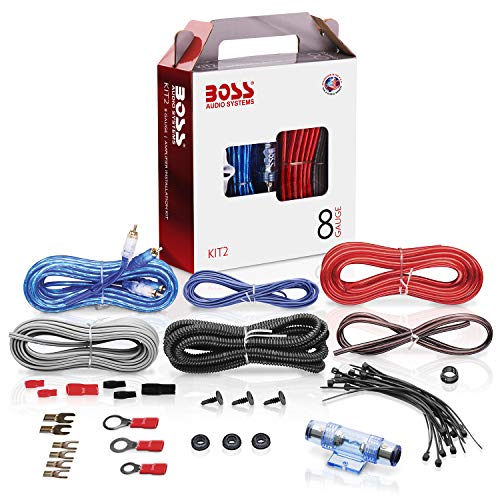
BOSS Audio Systems KIT2 8 Gauge Complete Car Amplifier Installation Wiring Kit with Power Cables, Ground Cables, Turn-On Wire, Speaker Wire, Terminals
Complete Car Amp Wire Setup: Complete 8-gauge wiring kit for car audio amplifier installation; 20, 4-inch wire ties;…
As an affiliate, we earn on qualifying purchases.
As an affiliate, we earn on qualifying purchases.
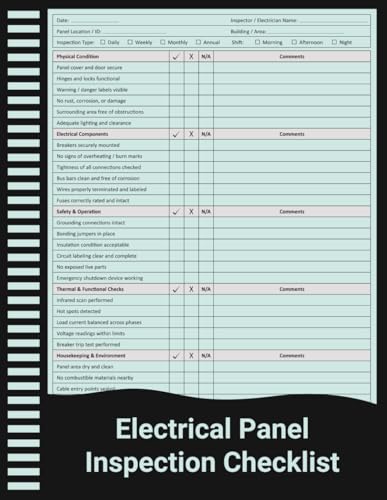
Electrical Panel Inspection Checklist: Electrical Distribution Panel Safety, and Operational Inspection Record for Electricians, Maintenance Teams, and Facility Management.
As an affiliate, we earn on qualifying purchases.
As an affiliate, we earn on qualifying purchases.