
TL;DR
Bitcoin has fallen below the $60,000 mark, a significant technical level, sparking market analysis. Experts suggest historical trends may indicate potential future movements, but uncertainties remain.
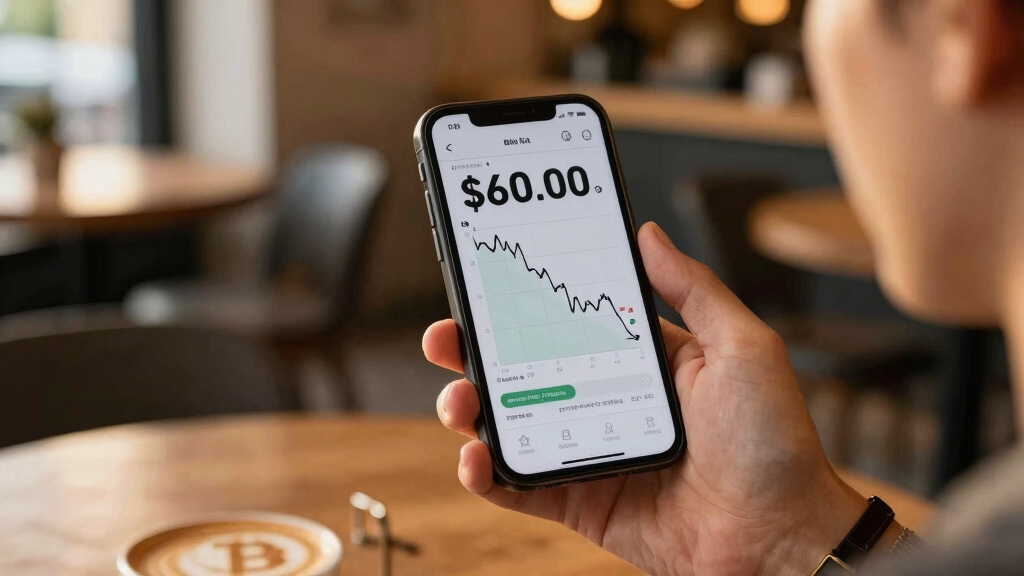
Bitcoin’s price dropped below $60,000 today, marking a notable decline after weeks of relative stability. This movement has caught the attention of traders and analysts, as it may signal a shift in market momentum. The decline comes amid broader market volatility and increased scrutiny from investors and regulators, making this development highly relevant for market participants and observers.
Bitcoin’s price fell to approximately $59,500 at its lowest point today, breaking a key psychological and technical threshold of $60,000. This decline was confirmed by multiple cryptocurrency tracking platforms, including CoinMarketCap and CoinGecko. The drop follows a period of sideways trading, with Bitcoin previously trading near the $62,000-$65,000 range.
Market analysts attribute the decline to a combination of factors, including profit-taking by traders, macroeconomic concerns, and recent regulatory discussions in major markets. Some experts, such as crypto strategist Alex Johnson, noted that “breaking below $60,000 could trigger further downside, especially if broader market sentiment worsens.” However, others emphasize that such dips are common in volatile markets and may present buying opportunities.
Implications of Bitcoin’s Price Drop Below Key Level
This decline is significant because $60,000 has served as a psychological barrier and a technical support level for Bitcoin. A sustained move below this point could influence investor sentiment, trigger stop-loss orders, and potentially lead to further declines. Historically, similar drops have been followed by periods of consolidation or rebound, but the market remains uncertain about the immediate future.
Additionally, the dip raises questions about the broader market trend and whether this signals a correction or a deeper downturn. For investors, understanding these patterns can inform risk management strategies in a highly volatile environment.

Bitkey Bitcoin Hardware Wallet – The Most Secure Way to Buy, Store and Manage Bitcoin
- Bitcoin Exclusive Design: Dedicated hardware wallet for Bitcoin
- All-in-One Management: Compare prices, send, receive, and track
- Enhanced Security: Three-key system simplifies self-custody
As an affiliate, we earn on qualifying purchases.
As an affiliate, we earn on qualifying purchases.
Historical Patterns and Recent Market Dynamics
Bitcoin has experienced multiple corrections since reaching an all-time high above $68,000 in November 2021. Over the past year, the cryptocurrency has faced regulatory pressures, macroeconomic headwinds, and shifts in institutional interest, all contributing to its price volatility.
In previous instances when Bitcoin dipped below key support levels, such as in early 2022 and mid-2023, the market either rebounded quickly or experienced extended declines. Experts note that current technical indicators, including moving averages and trading volumes, suggest increased uncertainty, but also potential support levels around $58,000 to $55,000.
Market analysts like Sarah Lee from CryptoAnalytics state, “While the recent dip below $60,000 is notable, history shows that Bitcoin often finds support at these levels before making a move either upward or downward.”
“Breaking below $60,000 could trigger further downside, especially if broader market sentiment worsens.”
— Alex Johnson, Crypto Strategist

My Trading Journal – Premium Log Book for Stock Market, Forex, Options, Crypto – Guided Trading Journal with 80 Trades, 8 Review Sections – Ideal for Day Traders, Swing Traders, Position Traders
- Market Compatibility: Tracks stocks, forex, and crypto trades
- Trade Capacity: Records and reviews 80 trades
- Review Sections: Includes 8 detailed review areas
As an affiliate, we earn on qualifying purchases.
As an affiliate, we earn on qualifying purchases.
Unclear Immediate Market Direction After Drop
It remains uncertain whether Bitcoin’s dip below $60,000 will lead to a sustained correction or if it will quickly rebound. Market sentiment is divided, and external factors such as macroeconomic data, regulatory developments, and institutional actions could influence the outcome. No definitive technical pattern has emerged to clearly predict the next move, and volatility is expected to persist in the short term.

Bitcoin Ticker Crypto Price Display Time Clock Real-Time Compact Size 1.37" Diagonal Price Tracker Ticker Weather Display for Top 300 Coins Ideal for Desk or Nightstand Uses Wi-Fi (Black)
- Cryptocurrency Support: Supports 300 popular coins including Bitcoin and Ethereum
- WiFi Connectivity: Fast real-time updates via 2.4GHz WiFi
- No App Needed: Operates independently without apps or accounts
As an affiliate, we earn on qualifying purchases.
As an affiliate, we earn on qualifying purchases.
Next Steps for Bitcoin and Market Participants
Investors and traders will be watching key support levels around $58,000 and $55,000 to gauge potential rebounds or further declines. Market analysts anticipate increased volatility in the coming days, with upcoming macroeconomic reports and regulatory news likely to influence prices. Monitoring trading volumes and technical signals will be crucial to understanding whether this dip marks a temporary correction or a more significant trend change.

Cryptocurrency Market Analysis: Technical, Fundamental, and Sentiment Strategies for Smarter Crypto Trading (THE ULTIMATE CRYPTO WEALTH BLUEPRINT)
As an affiliate, we earn on qualifying purchases.
As an affiliate, we earn on qualifying purchases.
Key Questions
Is Bitcoin likely to recover quickly after falling below $60,000?
Recovery depends on various factors, including broader market sentiment, macroeconomic conditions, and technical support levels. While historical patterns suggest support around $58,000, volatility remains high, and a quick rebound is not guaranteed.
What caused Bitcoin to dip below $60,000 today?
The decline was driven by profit-taking, macroeconomic concerns, and regulatory discussions, but no single event has been identified as the sole cause.
Should investors panic or buy the dip?
This decision depends on individual risk tolerance and market outlook. Experts advise caution and suggest monitoring technical levels and market news before acting.
What could prevent further declines in Bitcoin?
Strong support levels, positive macroeconomic data, or favorable regulatory developments could help stabilize or reverse the trend.
How does this compare to previous corrections?
Similar dips have occurred before, often followed by rebounds or extended corrections. Historical patterns indicate support levels around $55,000-$58,000, but each market phase has unique factors.
Source: rss