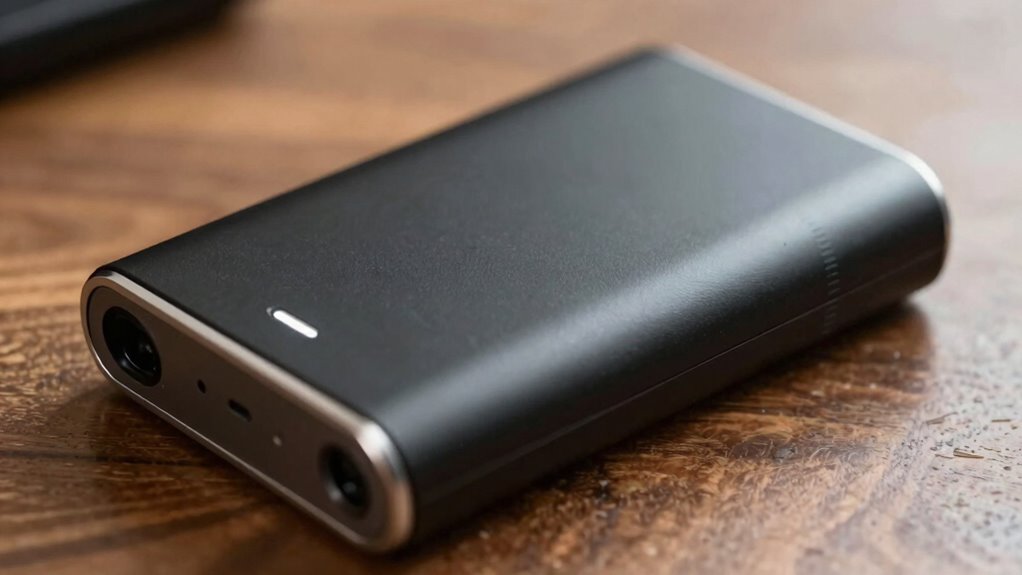

Many people believe that broad device compatibility automatically means better security for hardware wallets. However, supporting multiple platforms or cryptocurrencies doesn’t guarantee safety. Compatibility can introduce vulnerabilities if the software isn’t equally secure across all devices. It’s essential to focus on proven security measures and how well the wallet integrates into your overall crypto safety strategy. To understand the real factors that matter, keep exploring what influences hardware wallet security beyond just compatibility.

Get hardware and tech essentials delivered free with Prime
- Fast, free delivery on millions of items
- Prime Video, Amazon Music and more included
- Member-only deals all year
Key Takeaways
- Many assume that broad device compatibility inherently means better security, which is often a misconception.
- Compatibility across multiple platforms can introduce vulnerabilities if security measures are not uniformly enforced.
- Supporting numerous cryptocurrencies does not automatically enhance security; device architecture and standards matter more.
- The security of a hardware wallet relies on proven hardware and firmware, not just its ability to connect with various devices.
- Compatibility should be evaluated alongside security features to ensure it aligns with overall crypto safety strategies.
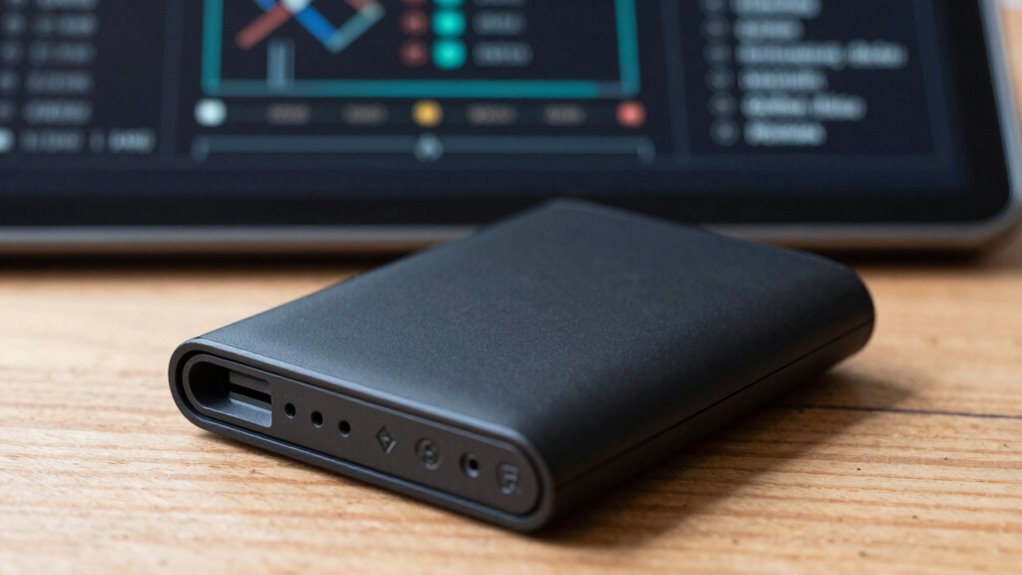
When choosing a hardware wallet, many users focus on specs like screen size or security features, but some of these details are often misunderstood or overstated. One of the most misunderstood specs is hardware compatibility. It’s tempting to assume that if a device claims to support multiple operating systems or cryptocurrencies, it’s automatically the best choice. However, the actual importance of hardware compatibility can be overstated if you don’t consider your specific needs and how the wallet integrates into your overall crypto security strategy.
First, many users believe that a wider range of compatible devices means better security. That’s not entirely true. Compatibility simply means your hardware wallet can connect with different platforms—like Windows, Mac, Linux, Android, or iOS. But just because a wallet supports multiple platforms doesn’t mean it’s more secure across all of them. Sometimes, compatibility can introduce vulnerabilities if the wallet’s software isn’t equally secure on every platform. For instance, a wallet supporting iOS and Android might have different security assurances, so you need to check how well each platform is protected. Additionally, it’s important to consider how software updates are managed across these platforms, as inconsistent updates can introduce security risks. Ensuring consistent and timely updates is crucial for maintaining security.
Wider platform support doesn’t guarantee better security; each device’s platform security varies and requires careful evaluation.
Furthermore, some hardware wallets boast support for numerous cryptocurrencies, leading users to think they’re more versatile. But if your primary focus is cryptocurrency security, you should prioritize a device that handles your main assets well, with proven security measures, rather than simply supporting dozens of coins. Compatibility with many cryptocurrencies can be useful, but it doesn’t necessarily enhance overall security if the wallet’s core security features aren’t robust. Also, the security architecture of the device plays a vital role in safeguarding your assets, regardless of how many coins it supports. Moreover, understanding how cryptocurrency standards are implemented can affect the safety and interoperability of your assets across different wallets.
Another misconception about hardware compatibility is assuming that newer devices automatically offer better security. While newer models often include updated security features, it’s more important to evaluate whether the device’s hardware and firmware have been thoroughly tested and are resistant to hacking attempts. Compatibility with your existing hardware setup is crucial, but it shouldn’t be the sole factor in your decision. Sometimes, older hardware wallets with proven security track records are safer than the latest models with untested features. Staying informed about security vulnerabilities and how manufacturers address them is vital for making a secure choice.
Additionally, understanding the security implications of hardware compatibility can help you make a more informed decision. In short, when assessing hardware wallets, don’t get caught up solely in the compatibility specs. Focus on how well the device integrates into your overall cryptocurrency security strategy. Compatibility is important, but it’s just one piece of the puzzle. Ensure that the hardware you choose aligns with your security needs, works reliably with your devices, and supports your most-used cryptocurrencies. That way, you’ll make a smarter choice that truly safeguards your crypto assets.
hardware wallet with secure firmware
As an affiliate, we earn on qualifying purchases.
As an affiliate, we earn on qualifying purchases.
Frequently Asked Questions
How Does a Hardware Wallet’s Security Compare to Software Wallets?
Your hardware wallet generally offers better security than software wallets because it uses hardware encryption to protect your private keys. It also allows for cold storage, meaning your keys stay offline, reducing hacking risks. Unlike software wallets connected to the internet, hardware wallets keep your assets safer from malware and phishing attacks. So, you get a more secure, offline solution that’s less vulnerable to online threats.
Can Hardware Wallets Be Hacked Remotely Without Physical Access?
Only about 1% of hardware wallet hacks involve remote attacks, but they’re possible through firmware vulnerabilities or supply chain risks. If hackers exploit firmware flaws or tamper with the device during manufacturing, they could access your funds remotely. While physical access is typically needed for most attacks, these vulnerabilities highlight the importance of buying from trusted sources and keeping firmware updated to minimize remote hacking risks.
Are All Hardware Wallets Compatible With Every Cryptocurrency?
Not all hardware wallets are compatible with every cryptocurrency. You need to check if the wallet supports your specific coins. Make certain to keep your firmware updated for security and functionality. Also, create paper backups of your seed phrase, so you can recover your assets if needed. Compatibility varies by device, so choosing a wallet that supports your cryptocurrencies and regularly updating its firmware ensures safer, broader access.
What Is the Lifespan of a Typical Hardware Wallet?
A typical hardware wallet lasts around 3 to 5 years, but this can vary based on usage and care. You’ll want to regularly update your firmware to guarantee security and functionality. Keep your recovery phrase safe, as it’s essential if the device fails or gets lost. Proper handling and timely firmware updates extend the lifespan, and replacing the device when it’s outdated helps keep your crypto assets secure.
Do Hardware Wallets Require Internet Connectivity to Function?
Think of your hardware wallet as a fortress—you don’t need internet to keep it secure. It doesn’t require online connectivity for offline transactions or seed phrase security, which are essential for safeguarding your assets. Instead, you use it offline to sign transactions and verify your seed phrase, keeping your private keys safe from online threats. This offline design ensures your crypto stays secure, even if connected devices are compromised.
multi-platform crypto hardware wallet
As an affiliate, we earn on qualifying purchases.
As an affiliate, we earn on qualifying purchases.
Conclusion
Understanding hardware wallet specs can be tricky, but it’s vital for your security. Many users overlook key features like secure element chips or backup options, risking their assets. Did you know that over 20% of crypto users have experienced wallet-related issues? Staying informed helps you make smarter choices and protect your investments. So, always double-check the specs and don’t settle for anything that isn’t clear—your crypto future depends on it.
best hardware wallet for Bitcoin
As an affiliate, we earn on qualifying purchases.
As an affiliate, we earn on qualifying purchases.
hardware wallet with verified security features
As an affiliate, we earn on qualifying purchases.
As an affiliate, we earn on qualifying purchases.
Halloween Picks
halloween
As an affiliate, we earn on qualifying purchases.