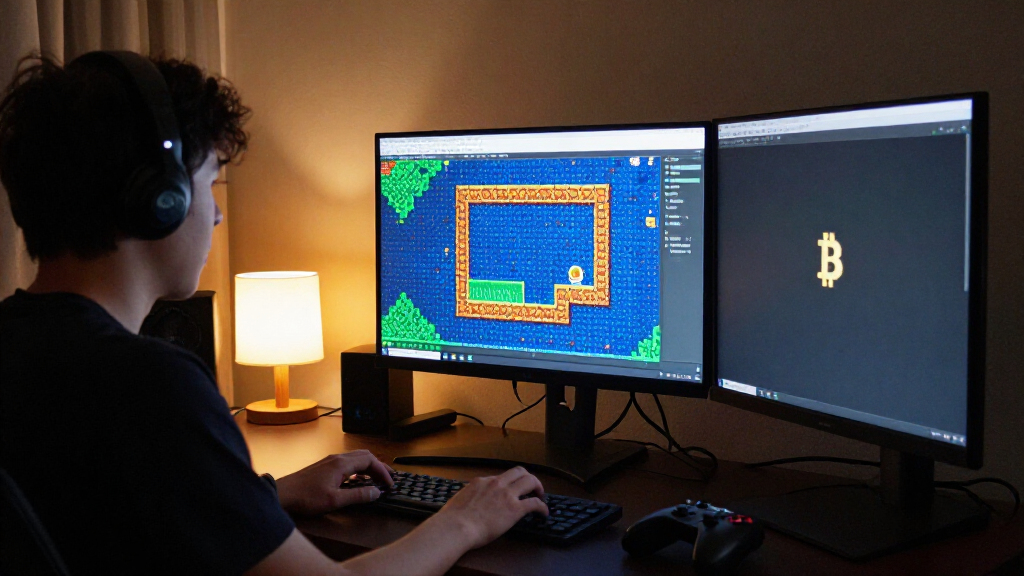

🔍 Read the full analysis: Can AI Recreate A Game Without Crossing The Copyright Line? on ThorstenMeyerAI.com

Get hardware and tech essentials delivered free with Prime
- Fast, free delivery on millions of items
- Prime Video, Amazon Music and more included
- Member-only deals all year
TL;DR
Anthropic added an instruction to Claude Code telling it to help create original games and genre-based games but refuse recreations of specific existing games, even under a new name. The company says the rule applies its existing policy against intellectual-property infringement; how it handles licensed work and other edge cases remains unclear.
Anthropic has added a game-specific restriction to Claude Code, instructing its AI coding tool to refuse requests to recreate a particular existing game, even if the user changes its name. The company confirmed the change on October 30, after AI-made game ports and a Fallout-like browser game drew attention to the copyright risks of using coding assistants to reproduce commercial titles.
The two-sentence instruction tells Claude Code to help with original games, games in a genre, and projects based on users’ own designs and assets. It then says not to build “a recreation of a specific existing game, even if it is renamed or called original.” The source report says the language appeared in Claude Code versions 2.1.314 and 2.1.316, but not in version 2.1.312. Anthropic confirmed the change to Game Developer.
An Anthropic spokesperson referred the outlet to a statement from Addy Osmani, a member of the company’s technical staff. Osmani said the instruction steers Claude Code away from recreating someone else’s specific game because using Claude to infringe intellectual property violates Anthropic’s usage policy. The policy already prohibited intellectual-property infringement; the new step is a game-focused instruction inside the coding tool.
The restriction followed a late-September browser game set in New York that its creator described as resembling Fallout. The creator said it included quests, dialogue trees, V.A.T.S. and a working Pip-Boy, and was made with Claude Opus 5.5. Kotaku reported that the post drew more than 3.5 million views. The creator later said they received a cease-and-desist letter from Bethesda and abandoned the project. The source report says the letter was shown as a screenshot, not independently examined as a legal filing.
Infographic 01 · Claude Code, 27–31 October 2026
Two sentences, no off switch.
The exact wording in the Claude Code program, which versions carry it, and how it became public. Times in UTC.
“Do build original games, games in a genre, and games from the user’s own designs and assets.”
“Don’t build a recreation of a specific existing game, even if it is renamed or called original.”
- 2.1.31227 Oct · text not in the program
- 2.1.31430 Oct, 00:12 UTC · text in the program
- 2.1.31631 Oct · text still in the program
- ~ 27 OctRule delivered from Anthropic’s serversReportedFlag “tengu_heron_brook”; “no setting to turn it off”, per Chasm
- 30 Oct · 00:12Claude Code 2.1.314 publishedVerifiedXDA and our own check find the two sentences in the program
- 30 Oct · 07:01The rule goes public on XXChasm posts the full text
- 30 Oct · 09:25First complaint on GitHubGitHubA board-wargame studio reports refused client work
- 30 Oct · eveningAnthropic confirmsAnthropicVia a spokesperson to Game Developer, pointing to Addy Osmani’s statement
Sources: own check of the Claude Code 2.1.312, 2.1.314 and 2.1.316 program files (31 Oct 2026); npm version dates; Chasm on X, 30 Oct; XDA, 30 Oct 2026; GitHub issue #106167; Game Developer, 30 Oct 2026 (with Anthropic’s confirmation).
Powered by Thorsten Meyer AI
A New Barrier to Game Clones
For developers using AI coding tools, the change makes one boundary explicit at the point of use: Claude Code is directed to distinguish between making a game in a broad genre and reproducing a named, specific title. That may reduce the tool’s assistance with requests that could expose users to intellectual-property disputes, while leaving room for projects based on a user’s own material.
The practical effect may extend beyond deliberate copying. The source report cites a developer who makes digital versions of board wargames for clients who own those games and says Claude Code has refused paid work. Anthropic had not answered that developer’s GitHub issue at the time of the report. That example points to an unresolved question: the instruction does not spell out how the tool treats licences, client permissions or other authorization.
Studios have also reacted to the broader circulation of AI-made game demos. Digital Sun moved a public playtest of its upcoming game ReVamp to a Discord server, saying a large public build felt too risky while launch remained months away, Game Developer reported. Publisher Alliance Arts also cancelled a public demo, according to Aftermath. These actions show concern among some companies, but they do not establish that AI tools caused a specific infringement or that the new Claude instruction will prevent copying.
Products Worth Considering

Ledger Nano X Bluetooth Crypto Wallet

Ledger Stax Crypto Wallet with Touchscreen

Apple MacBook Air 13-inch with M5 chip, 16GB memory, 1TB SSD, and 12MP Center Stage camera (Midnight)
As an affiliate, we earn on qualifying purchases.
From Fallout-Like Demo to Rule
The instruction arrived amid a series of reported AI game recreations. After the Fallout-like browser game appeared in late September, Kotaku reported in early October that browser ports of Halo, Grand Theft Auto: Vice City and The Simpsons: Hit & Run were circulating online. The source material describes those ports as appearing to work, but does not establish who made them or whether rights holders authorized them.
On October 30, Anthropic confirmed the rule after it was spotted in Claude Code. The source report says the restriction had also been delivered through Anthropic’s servers around October 27, before appearing in the program versions it checked. The timing followed reports of Claude refusing some reverse-engineering requests, though the source cautions that those refusals appeared to involve separate safety checks rather than this game-specific instruction.
Copyright law and a coding tool’s rule are not the same thing. The source report summarizes the general legal distinction: copyright protects a game’s expressive elements, such as how it looks and sounds, rather than its underlying idea or rules. It also cites a 2012 U.S. court decision finding a Tetris clone infringing even though it copied no code. That example shows why avoiding copied source code does not, by itself, settle whether a recreation crosses a legal line.
According to the source report, OpenAI’s and Google’s usage policies prohibit intellectual-property infringement in general. The report found no comparable game-specific instruction from either company as of October 31, 2026. That is a finding about the policies reviewed for the report, not a guarantee that their tools will comply with every request to recreate a game.
“Using Claude to infringe IP is against our usage policy.”
— Anthropic, through technical staff member Addy Osmani, as relayed to Game Developer
Permissions and Edge Cases
Anthropic has not publicly detailed how the rule handles permission or licensing. The wording refers to a specific existing game but does not explain what happens when a user owns the rights, has a licence, or is hired by a rights holder to produce a digital adaptation. The reported refusal of a developer’s client work illustrates that uncertainty, but Anthropic had not responded to the developer’s issue when the source report was published.
The source material also does not identify a lawsuit or publisher complaint as the trigger for the change. It reports that Kotaku speculated Anthropic might have been facing pressure, while describing that explanation as speculation. The reported Bethesda cease-and-desist letter was described by the game’s creator; the source report does not present the letter as independently verified. It is also unclear how consistently the instruction will be applied across different prompts or future Claude Code versions.
How Anthropic Applies the Rule
The next test will be how Claude Code responds to requests involving licensed projects, user-owned assets and games that borrow familiar genre conventions. Anthropic has confirmed the instruction but, in the source material, has not published more detailed criteria for those cases or explained whether it plans to revise the wording.
Developers and studios will also be watching whether other AI providers introduce similar game-specific safeguards. For now, the reported policies from OpenAI and Google address intellectual-property infringement broadly, while the report found no matching game-focused instruction from them as of October 31. The legal status of any individual recreation will still depend on its facts; a tool’s refusal is not a court ruling, and a tool’s willingness to help would not establish that a project is lawful.
Key Questions
What did Anthropic change in Claude Code?
Anthropic added an instruction telling Claude Code to assist with original games, genre games and projects based on the user’s own designs and assets, but not to recreate a specific existing game, even under a different name.
Does the rule prevent users from making games in familiar genres?
The wording explicitly allows games in a genre, as well as original games and games using the user’s own designs and assets. Anthropic has not publicly explained every boundary between genre inspiration and a recreation of a particular title.
Does owning or licensing a game make a recreation acceptable to Claude Code?
The instruction does not say how it handles ownership, licences or permission from a rights holder. The source report describes a developer saying the tool refused some paid digital adaptation work, but Anthropic had not answered that developer’s issue at publication time.
Is recreating a game without its source code automatically legal?
No such conclusion follows from the source material. It says copyright can protect expressive elements such as a game’s look and sound, and cites a 2012 U.S. ruling that found a Tetris clone infringing despite no copied code. The legality of a particular project depends on its details.
Source: ThorstenMeyerAI.com