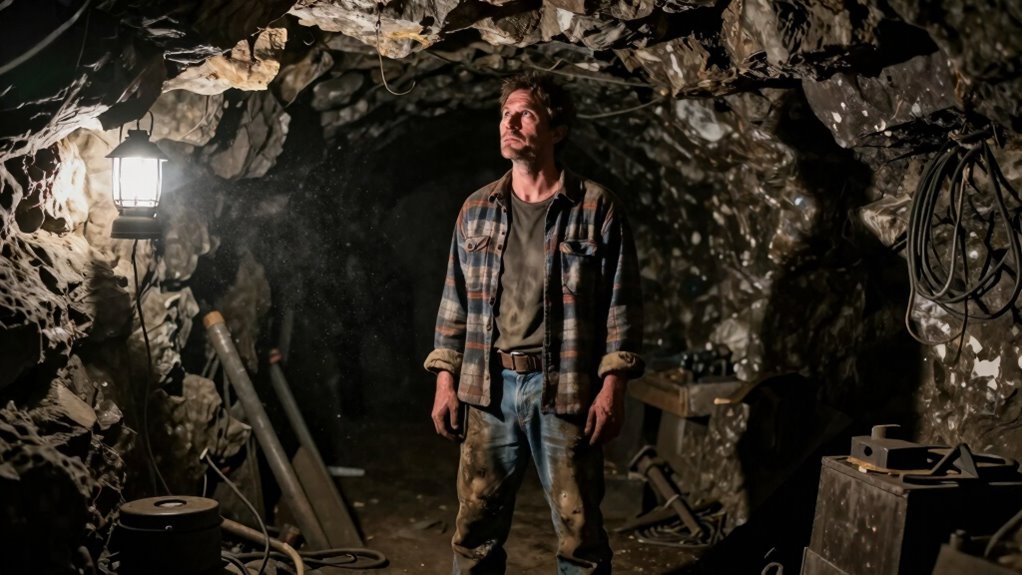

As a home miner, you often overlook how quickly energy costs and hardware upgrades eat into your profits. High electricity bills and frequent hardware replacements can turn your mining efforts into a money pit, especially as hardware becomes outdated faster and energy prices fluctuate. Balancing costs with efficiency is a constant challenge, and hidden expenses can silently chip away at earnings. Keep going, and you’ll discover how to navigate this tricky dilemma more effectively.
Key Takeaways
- Balancing energy costs with hardware efficiency is the core challenge often overlooked by home miners.
- Hardware obsolescence and frequent upgrades significantly increase long-term expenses.
- Managing unpredictable electricity prices is critical to maintaining mining profitability at home.
- Hidden costs like cooling, maintenance, and hardware replacement often erode profit margins.
- Continual cost assessment is essential to ensure mining remains financially sustainable and enjoyable.
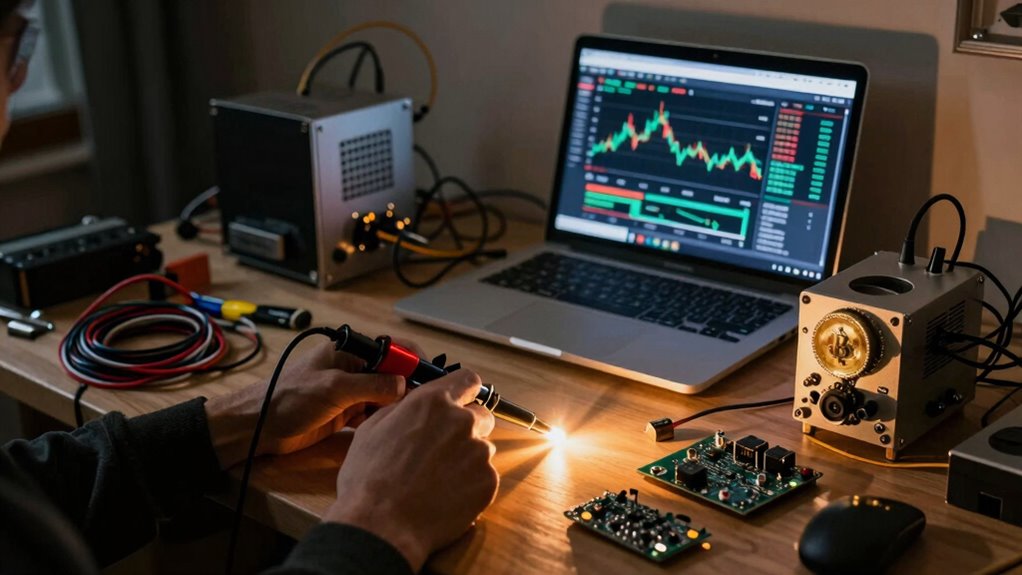
While many home miners celebrate the thrill of mining cryptocurrencies from their living rooms, they often overlook a hidden dilemma that can turn their passion into a costly challenge. That dilemma revolves around energy consumption and hardware costs, two factors that can quickly drain your resources if not managed carefully. You might start with a modest setup, excited by the prospect of earning digital coins, but as your operation grows, so do the expenses. The power needed to run high-performance mining rigs can skyrocket, especially when you’re pushing for maximum efficiency. Electricity bills become unpredictable and, if you’re not mindful, can surpass your mining profits, turning your hobby into a financial burden.
Home mining can become costly if energy use and hardware expenses aren’t carefully managed.
Hardware costs are another pressing concern. The latest mining equipment, like specialized ASIC miners or powerful GPUs, isn’t cheap. When you first buy your hardware, it might seem like a sound investment, but the rapid pace of technological advancement means today’s top-tier device can become outdated quickly. You may find yourself constantly upgrading or replacing equipment to stay competitive, adding to your overall costs. Plus, high-performance hardware consumes more energy, which compounds your expenses further. Choosing the right hardware is crucial for balancing cost and efficiency in your mining setup. Additionally, staying informed about emerging AI innovations can help you identify more efficient options and optimize your mining strategy. Moreover, understanding energy efficiency standards can guide you toward making smarter investments in hardware that lowers your long-term costs. Keeping an eye on market trends can also help you anticipate when certain equipment might drop in price or become obsolete. Also, considering renewable energy sources can be a sustainable way to reduce ongoing energy expenses and environmental impact.
It’s easy to underestimate how quickly these costs add up. You might focus on the potential rewards of mining, but the hidden expenses often catch up. Over time, the cumulative energy bills can eat into your earnings, especially if your local electricity rates are high. Some home miners try to offset this by running their setups during off-peak hours or using renewable energy sources, but these solutions aren’t always practical or affordable.
As you navigate this landscape, it’s essential to understand that profitability isn’t just about the value of the coins you mine. It’s also about controlling costs, particularly energy consumption and hardware investments. Ignoring these factors can lead to a situation where your mining setup becomes more of a liability than an asset. To stay sustainable, you need to continuously evaluate your hardware’s efficiency and seek ways to reduce electricity costs. This might involve choosing more energy-efficient equipment, optimizing your mining rig’s operation, or even reconsidering whether mining remains a worthwhile pursuit in your circumstances.
In the end, the home miner’s dilemma isn’t just about mining for fun; it’s about balancing the costs and benefits carefully. If you don’t pay attention to energy consumption and hardware costs from the start, what begins as an exciting project can turn into a costly mistake. Staying aware of these hidden expenses helps ensure your mining efforts stay profitable and enjoyable, rather than draining your wallet.
ASIC cryptocurrency mining hardware
As an affiliate, we earn on qualifying purchases.
As an affiliate, we earn on qualifying purchases.
Frequently Asked Questions
What Are the Legal Risks of Home Mining?
You face legal risks with home mining, especially if you don’t guarantee regulatory compliance. Authorities may scrutinize your activities if they violate local laws or regulations, risking fines or shutdowns. Additionally, intellectual property issues can arise if you inadvertently mine copyrighted or patented content. Staying informed about local laws and respecting intellectual property rights helps mitigate these risks, ensuring your home mining remains lawful and secure.
How Does Home Mining Impact Household Electricity Bills?
Home mining can skyrocket your household electricity bills, turning your cozy space into a power-hungry monster. Your energy consumption spikes dramatically, causing cost escalation that might make your wallet scream. You could find yourself paying hundreds more each month, as mining rigs guzzle electricity like there’s no tomorrow. Be prepared for a wild ride—your home’s energy use could become a runaway train, leaving your bills inflated and your budget strained.
Can Home Mining Damage My Home’s Electrical System?
Home mining can damage your electrical system if you neglect electrical safety and proper equipment maintenance. Overloading circuits or using faulty wiring increases the risk of short circuits, fires, or electrical damage. To prevent this, guarantee your electrical system can handle your mining equipment, regularly inspect and maintain your hardware, and consider consulting a professional electrician. Staying proactive helps protect your home and maintains safe, reliable operation.
What Are the Environmental Consequences of Home Mining?
You might think home mining‘s just about digital coins, but it’s ironically a hidden environmental impact. It depletes resources, consumes large amounts of energy, and increases carbon footprints, all from a tiny home setup. While you chase profits, you’re unknowingly contributing to resource depletion and climate change. That small rig at home might be a big contributor to environmental harm, highlighting how seemingly simple hobbies can have complex ecological consequences.
Is Home Mining Worth the Initial Investment?
Home mining can be worth the initial investment if you’re aware of mining profitability and equipment maintenance. While it may offer potential rewards, fluctuating cryptocurrency prices and high energy costs can cut into profits. You need to stay vigilant about maintaining your equipment to prevent costly breakdowns. If you’re ready to monitor ongoing costs and manage potential risks, home mining might be a worthwhile venture for you.
As an affiliate, we earn on qualifying purchases.
Conclusion
You might not realize it, but over 60% of home miners face energy cost challenges that threaten their profitability. This isn’t just about technical hurdles; it’s about balancing the desire to mine with the practical realities of power consumption and expenses. As more people jump into mining, understanding this dilemma becomes essential. Remember, staying informed and strategic can make all the difference in turning your mining efforts into a sustainable venture, rather than a costly gamble.
energy-efficient power supply for mining
As an affiliate, we earn on qualifying purchases.
As an affiliate, we earn on qualifying purchases.
As an affiliate, we earn on qualifying purchases.