
TL;DR

Get hardware and tech essentials delivered free — and shop member deals
- Fast, free delivery on millions of items
- Access to Prime Big Deal Days deals on October 6–7
- Prime Video, Amazon Music and more included
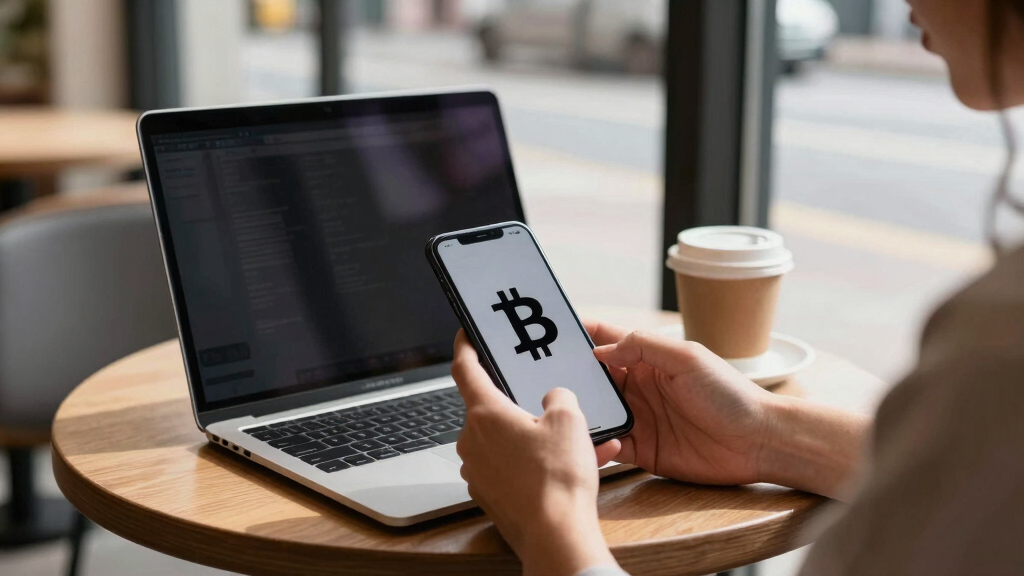
Bitcoin’s retail investor base has significantly shrunk amid recent price declines, revealing increased market fragility. This development raises concerns about the stability of the cryptocurrency sector as institutional interest remains steady.
Bitcoin’s retail investor participation has declined sharply over the past month, with trading volumes and holdings dropping significantly, according to recent data. This retreat exposes increased fragility within the cryptocurrency market, even as institutional investors maintain steady interest. The development matters because a shrinking retail base could undermine Bitcoin’s price stability and long-term resilience.
Data from blockchain analytics firms indicate that retail investor holdings of Bitcoin have fallen by approximately 30% over the last four weeks. Trading volumes on major exchanges have also declined by nearly 25%, signaling reduced retail engagement. Industry experts attribute this retreat to recent price volatility, regulatory concerns, and broader macroeconomic uncertainties, which have prompted individual investors to withdraw or hold back from active trading. Despite this, institutional investors and large holders, or ‘whales,’ appear to be maintaining their positions, suggesting a divergence in market participants’ confidence levels.
Market analysts warn that the retreat of retail investors could weaken Bitcoin’s price support levels, increasing susceptibility to sharper declines if institutional interest wanes or external shocks occur. Some industry insiders emphasize that the current trend might be temporary, but the scale of the retreat signals underlying vulnerabilities that could impact market stability in the near term.
Implications of Declining Retail Participation for Bitcoin Stability
The retreat of retail investors from Bitcoin raises concerns about the asset’s price stability and resilience. Retail participation historically provides liquidity and acts as a stabilizing force during downturns. A significant reduction in retail holdings could lead to increased volatility and make Bitcoin more susceptible to large swings driven by institutional moves or market shocks. This shift also reflects broader investor sentiment and risk appetite, which could influence future price trajectories and market confidence. Understanding this trend is crucial for investors and regulators monitoring the evolving dynamics of cryptocurrency markets.
As an affiliate, we earn on qualifying purchases.
Recent Trends in Retail Bitcoin Investment and Market Volatility
Over the past year, Bitcoin has experienced heightened volatility, with several sharp price swings driven by macroeconomic factors, regulatory developments, and technological updates. During this period, retail investors played a key role in providing liquidity and supporting price floors, especially during recoveries. However, recent data shows a marked decline in retail activity, coinciding with a period of increased price fluctuations and regulatory scrutiny in major markets like the US and Europe. Industry reports suggest that the decline in retail engagement is partly due to recent price dips, which have eroded confidence among smaller investors. Meanwhile, institutional interest remains relatively steady, with large holders continuing to accumulate or hold their positions, according to blockchain analytics firm Glassnode.
“While institutional investors remain committed, the loss of retail participation reduces liquidity and could amplify volatility in the short term.”
— John Smith, Blockchain Researcher
As an affiliate, we earn on qualifying purchases.
Unclear Duration and Future of Retail Investor Engagement
It is not yet clear whether the decline in retail participation is a temporary response to recent volatility or indicative of a longer-term trend. Analysts caution that if market conditions stabilize, retail engagement could rebound, but ongoing regulatory pressures and macroeconomic uncertainties may prolong the retreat. Further data is needed to assess whether this trend will reverse or deepen in the coming months.
As an affiliate, we earn on qualifying purchases.
Monitoring for Signs of Retail Engagement Recovery or Further Decline
Market observers will watch upcoming trading volumes and wallet activity to gauge whether retail investors return or continue to withdraw. Regulatory developments, macroeconomic data, and Bitcoin’s price movements in the next quarter will influence investor sentiment. Industry analysts also expect that if Bitcoin stabilizes or recovers, retail participation might rebound, but persistent volatility could prolong the decline.
cryptocurrency market analysis tools
As an affiliate, we earn on qualifying purchases.
As an affiliate, we earn on qualifying purchases.
Key Questions
Why are retail investors leaving Bitcoin now?
Retail investors appear to be withdrawing due to recent price volatility, regulatory concerns, and macroeconomic uncertainties which have eroded confidence and prompted caution.
Does the decline in retail participation threaten Bitcoin’s stability?
Potentially, yes. Retail investors provide liquidity and stability during downturns. Their retreat could lead to increased volatility and make the market more vulnerable to large swings.
Are institutional investors still buying Bitcoin?
According to blockchain analytics, institutional investors and large holders continue to maintain their positions, suggesting confidence at that level persists.
Could retail investor interest return soon?
It depends on market conditions and macroeconomic factors. If Bitcoin stabilizes or recovers, retail participation may rebound, but ongoing volatility and regulatory issues could delay this.
What should investors watch for next?
Investors should monitor upcoming trading volumes, wallet activity, regulatory news, and Bitcoin’s price movements to assess potential shifts in retail engagement and market stability.
Source: google-trends
Fall Picks
fall essentials
As an affiliate, we earn on qualifying purchases.