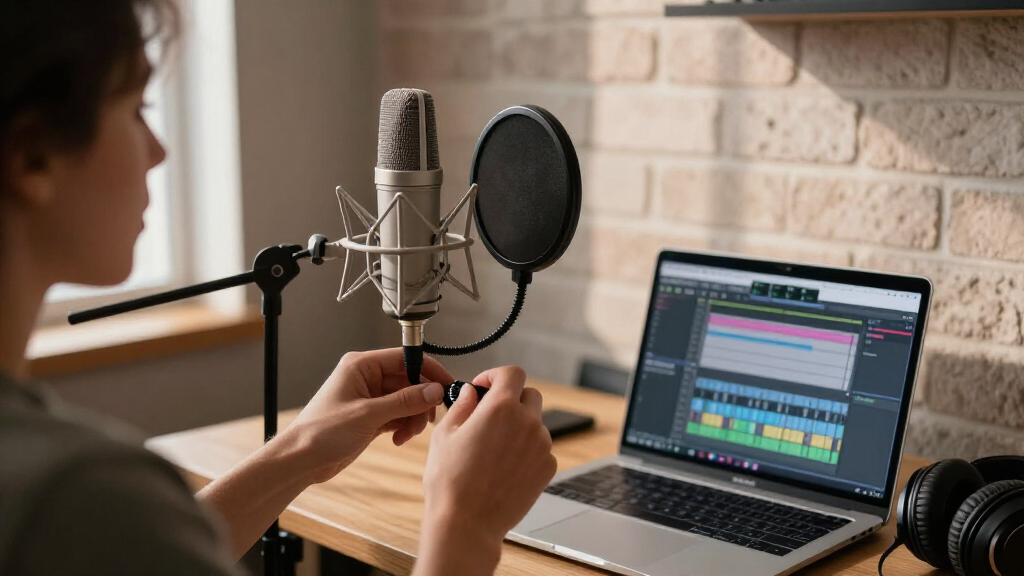

🔍 Read the full analysis: 2026'S Ultimate List Of Studio Condenser Microphones For AI Use on ThorstenMeyerAI.com

Get hardware and tech essentials delivered free with Prime
- Fast, free delivery on millions of items
- Prime Video, Amazon Music and more included
- Member-only deals all year
TL;DR
The 2026 list of the best studio condenser microphones for AI applications has been released, featuring top models like RØDE NT1 Signature and Audio-Technica AT2020. The selection emphasizes sound quality, build, and connectivity, aiding users from beginners to professionals. Discover the top AI studio microphones for 2026 recording studios.
ThorstenMeyerAI.com has released its comprehensive list of the best studio condenser microphones for AI use in 2026 as detailed in the original analysis. The guide highlights models that excel in clarity, durability, and connectivity, crucial for enhancing AI voice recognition and processing accuracy. This development matters because selecting the right microphone can significantly impact AI training data quality and overall system performance, as discussed in the original analysis.
The list includes models such as the RØDE NT1 Signature, recognized for its exceptional sound quality and build, and the Audio-Technica AT2020, valued for its affordability and reliable performance. The RØDE NT1 5th Gen is also featured, notable for its USB-C connectivity, catering to modern digital workflows. These models were chosen based on criteria like frequency response, noise floor, and compatibility with AI data collection systems.
Thorsten Meyer, founder of ThorstenMeyerAI.com, explained that the selection process prioritized microphones that deliver pristine audio capture, essential for training AI models in speech recognition, voice synthesis, and other applications. The guide also discusses the importance of build quality and accessories, such as shock mounts and pop filters, which can influence long-term usability and recording quality in various environments.
The 10 picks
- 1
 RØDE NT1 5th Gen Studio Condenser Microphone, XLR + USB-C, SilverView on Amazon →
- 2
 RØDE NT1 Signature Series Studio Condenser Microphone, BlackView on Amazon →
- 3
 Audio-Technica AT2020 Cardioid Condenser Studio XLR Microphone, BlackView on Amazon →
- 4
 AKG Pro Audio P120 – Affordable 2/3-Inch Diaphragm Condenser Microphone for C…View on Amazon →
- 5
 Melon Audio MA-87 Studio Condenser Microphone with AccessoriesView on Amazon →
- 6
 MAONO A04 Gen2 XLR/USB Condenser Microphone Kit for PC Podcast RecordingView on Amazon →
- 7
 Maono PM320S Condenser PC Microphone with XLR Cable, Boom Arm, Pop FilterView on Amazon →
- 8
 Mackie EM-Series Large-Diaphragm Condenser Microphone (EM-91C)View on Amazon →
- 9
 FIFINE T669 Studio Condenser USB Microphone for Recording and PodcastingView on Amazon →
- 10
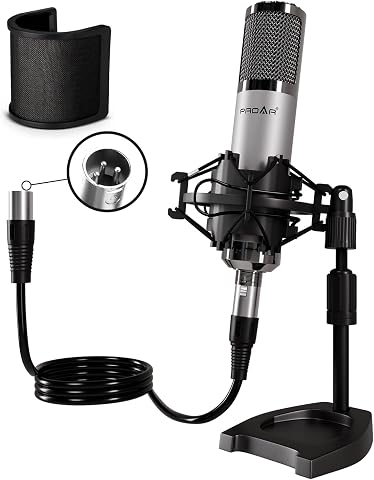 XLR Condenser Microphone with Desktop Stand for Vocals and PodcastingView on Amazon →
Why the 2026 Microphone List Impacts AI Development
This list matters because the quality of audio input directly affects the performance of AI systems in voice recognition, natural language processing, and related fields. High-quality microphones reduce background noise and capture subtle nuances, leading to more accurate data for AI training. As AI applications become more prevalent, choosing the right condenser mic is increasingly critical for developers and researchers aiming for precision and reliability.
Evolution of Studio Microphones for AI in 2026
Over the past few years, the demand for specialized microphones in AI and voice tech has grown, prompting manufacturers to optimize models for clarity, noise rejection, and connectivity. Earlier models primarily served music and broadcast markets, but recent innovations focus on digital integration and compatibility with AI data collection tools. The 2026 list reflects this shift, highlighting models designed for both professional studios and AI research labs.
Thorsten Meyer noted that advancements like USB-C connectivity and improved internal components have made microphones more versatile for AI applications, especially in remote or decentralized data gathering setups. The list also considers affordability, recognizing that many AI developers operate within budget constraints but still require high-quality audio input.
“Selecting the right condenser microphone can dramatically improve the quality of AI training data, leading to more accurate and reliable systems.”
— Thorsten Meyer
Remaining Questions About 2026 Microphone Recommendations
While the list is comprehensive, it is not yet clear how these microphones perform in diverse AI environments beyond initial testing. Specific compatibility with various AI software platforms and real-world recording conditions still require further validation. Additionally, ongoing technological updates may introduce new models or features that could alter the rankings or recommendations.
Next Steps for AI Voice Data Collection and Microphone Adoption
In the coming months, AI developers and researchers are expected to test these microphones in practical settings, providing feedback that may influence future updates to the list. Manufacturers might also release firmware updates or new models tailored for AI applications. Stakeholders should monitor these developments to optimize their hardware choices for AI training and deployment.
Key Questions
Why are condenser microphones preferred for AI voice applications?
Condenser microphones are favored because of their high sensitivity and wide frequency response, which are critical for capturing nuanced speech signals necessary for accurate AI training.
Do I need special features in a microphone for AI use?
Features like low self-noise, high sensitivity, and digital connectivity (USB-C or XLR with audio interface) are important for ensuring clear, high-quality audio input suitable for AI systems.
Are USB microphones suitable for professional AI projects?
Yes, especially models like the RØDE NT1 5th Gen, which combine ease of use with high-quality sound, making them ideal for many AI data collection scenarios. However, XLR models paired with audio interfaces may offer higher fidelity for advanced applications.
Will these microphones work with all AI software platforms?
Most modern microphones are compatible with standard recording setups and AI data collection tools, but users should verify specific software requirements and compatibility before purchase.
How often should I update my microphone for AI applications?
It is advisable to stay informed about new releases and firmware updates from manufacturers, especially as AI technology evolves rapidly and new features are introduced to improve performance.
Source: ThorstenMeyerAI.com
Halloween Picks
halloween
As an affiliate, we earn on qualifying purchases.