
Decentralized app marketplaces like World App and the Solana Dapp Store use blockchain technology to create transparent, secure platforms where developers and users interact directly without middlemen. They rely on smart contracts to automate transactions and enforce rules, ensuring security and trust. Token-based incentives encourage participation and community growth, fostering resilient ecosystems. If you explore further, you’ll uncover how these innovative platforms could reshape app distribution and user empowerment.
Key Takeaways
- Both platforms operate on blockchain protocols, enabling decentralized hosting and distribution of applications without centralized control.
- They utilize smart contracts to automate transactions, enforce rules, and ensure security within their ecosystems.
- Token-driven incentives encourage developer participation and user engagement, fostering community growth.
- Emphasize transparency, security, and user control, reducing censorship and middlemen reliance.
- These marketplaces support a diverse range of decentralized apps, promoting innovation and resilience in app distribution.
Decentralized app marketplaces are transforming how developers distribute software and how users access applications. Instead of relying on traditional app stores, these platforms leverage blockchain technology to create a more open and resilient ecosystem. When you explore these marketplaces, you notice that they prioritize transparency, security, and user control, making them appealing alternatives to centralized app distribution. As you navigate these spaces, understanding how smart contract security and token economics underpin their functionality becomes essential. Smart contracts automate transactions and enforce rules without intermediaries, but their security is critical. A single flaw in a smart contract can lead to significant vulnerabilities, so developers must rigorously audit and test their code to prevent exploits. This focus on smart contract security ensures that your assets and data stay protected, giving you confidence in the decentralized infrastructure. Additionally, adopting a growth-oriented mindset can help you better understand the potential opportunities within these emerging platforms. Token economics also play a pivotal role in shaping these marketplaces. Tokens often serve multiple functions, such as incentivizing participation, rewarding developers, or governing platform decisions. When you use a decentralized app marketplace, you’re likely engaging with a token system that aligns incentives across stakeholders. These tokens can facilitate transactions, grant voting rights, or unlock exclusive features, creating a vibrant economy within the platform. The design of token economics influences how the platform grows and how sustainable it is over time. Well-structured token models encourage active participation, guaranteeing that developers are motivated to create quality apps, and users are incentivized to engage and contribute to the community. As you participate, understanding the tokenomics helps you make informed decisions about where to invest your time or assets. The infrastructure of decentralized app stores like World App or the Solana Dapp Store exemplifies these principles. They host a variety of applications that operate on blockchain protocols, allowing you to access a diverse range of services without the constraints of centralized oversight. These platforms incorporate smart contract security best practices to safeguard your interactions, while their token models foster community engagement and platform growth. By decentralizing app distribution, they reduce censorship risks and offer a more democratic environment for innovation. You gain more control over your data, and developers enjoy a direct connection with their users, unencumbered by middlemen. This combination of secure smart contracts and dynamic token economics creates a robust infrastructure that promises a more transparent, equitable, and resilient digital ecosystem. As these marketplaces evolve, their focus on security and economic incentives will remain at the core of their success, shaping the future of decentralized application distribution.

Code of Trust: Ishrath Nawaz's Smart Contract Auditing Tool
As an affiliate, we earn on qualifying purchases.
As an affiliate, we earn on qualifying purchases.
Frequently Asked Questions
How Do Decentralized App Marketplaces Ensure User Privacy?
You can guarantee user privacy in decentralized app marketplaces by prioritizing user anonymity and data encryption. These platforms often use cryptographic techniques to keep personal data secure and anonymous, preventing third parties from tracking your activity. By encrypting data at every step and allowing anonymous transactions, you maintain control over your information, making it harder for anyone to identify or interfere with your usage.
What Are the Main Security Risks in Decentralized App Stores?
About 60% of security breaches in decentralized app stores stem from smart contract risks. You face dangers like vulnerabilities in code that can be exploited, compromising token security and user funds. These risks include bugs in smart contracts, malicious code, and inadequate audits. To stay protected, you should verify app security measures, confirm smart contracts are audited, and stay updated on security patches to reduce exposure to potential attacks.
How Do Developers Monetize Their Applications on These Platforms?
You monetize your applications on these platforms through token incentives and revenue sharing models. Token incentives reward users and developers, encouraging engagement and growth. Revenue sharing allows you to earn a percentage of the income generated by your app, fostering a sustainable ecosystem. By leveraging these methods, you can effectively generate revenue while aligning incentives with your users and the platform’s community, ensuring long-term success.
Are There Any Regulatory Challenges Faced by Decentralized Marketplaces?
You’ll face regulatory hurdles and need to guarantee legal compliance when operating in decentralized marketplaces. Governments and regulators are increasingly scrutinizing these platforms for issues like anti-money laundering, securities laws, and user protection. Staying ahead requires understanding evolving regulations, implementing transparent policies, and ensuring compliance standards. Failing to do so could lead to legal actions, platform shutdowns, or restrictions, so proactive legal measures are essential to navigate these challenges successfully.
How Scalable Are Decentralized App Marketplaces for Global Adoption?
Imagine you’re in the early days of the internet, where scalability challenges and network congestion are common hurdles. Decentralized app marketplaces can be quite scalable for global adoption, but they still face these issues. As user demand grows, network congestion may slow transactions and hinder performance. To reach worldwide adoption, developers need to optimize infrastructure and improve transaction throughput, ensuring seamless experiences across diverse regions and devices.
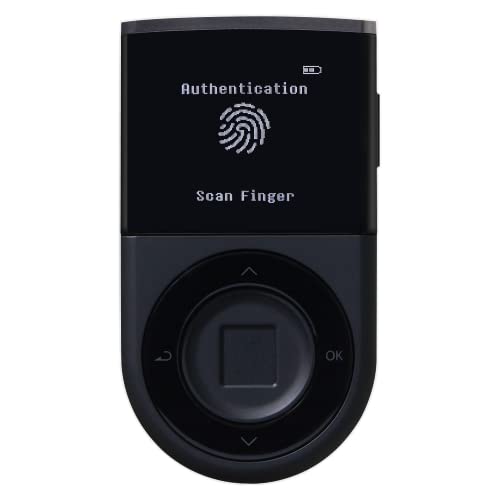
D'CENT Hardware Wallet – Biometric Cold Wallet for Crypto with Fingerprint Authentication | Secure Bluetooth Storage for Bitcoin, Ethereum, XRP, XDC, Solana, Stablecoins & More
UNMATCHED SECURITY WITH BIOMETRIC PROTECTION – Protect your crypto with certified EAL5+ Secure Element chip and advanced fingerprint…
As an affiliate, we earn on qualifying purchases.
As an affiliate, we earn on qualifying purchases.
Conclusion
Decentralized app marketplaces are the seeds of a new digital landscape, planting independence and innovation at the core. As you explore platforms like World App and Solana Dapp Store, remember you’re shaping a future where power shifts from giants to creators. Embrace this evolution—it’s not just a marketplace, but a garden where your ideas can grow wild and free, transforming the internet into a canvas of endless possibilities.

Blockchain Developer: Study guide with Basic Developer Skills, Codes, Languages and Programming Guide on how to become a Successful Blockchain Developer
As an affiliate, we earn on qualifying purchases.
As an affiliate, we earn on qualifying purchases.

CRYPTO, ROBOTS and the MACHINE ECONOMY
As an affiliate, we earn on qualifying purchases.
As an affiliate, we earn on qualifying purchases.