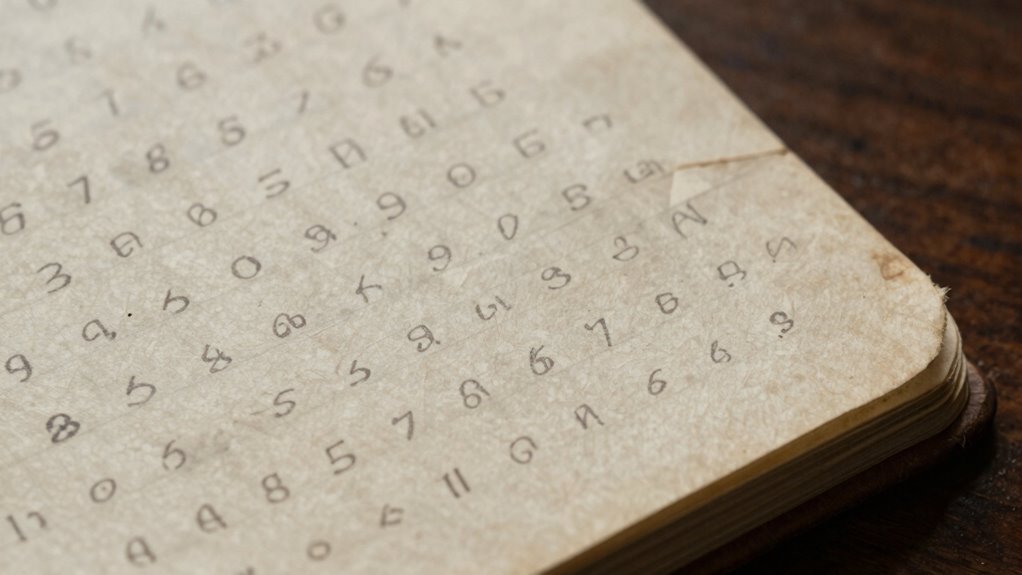

The main overlooked problem with paper wallet records is their vulnerability to physical damage and environmental threats. Fire, water, sunlight, and wear can destroy or make private keys unreadable, risking permanent loss of your cryptocurrency. Even with careful storage, accidents or disasters like leaks or fires can wipe out your record instantly. If you want to understand how to better protect your holdings and avoid these hidden risks, there’s more to take into account.

Get hardware and tech essentials delivered free with Prime
- Fast, free delivery on millions of items
- Prime Video, Amazon Music and more included
- Member-only deals all year
Key Takeaways
- Physical degradation over time can make private keys unreadable, risking permanent loss.
- Environmental factors like moisture, sunlight, and temperature fluctuations accelerate wallet deterioration.
- Single-location storage increases vulnerability to natural disasters, theft, or accidental damage.
- Even durable materials are not immune to fire, water, or environmental destruction.
- Physical security measures do not prevent loss from environmental damage or aging, unlike digital backups.
Many people see paper wallets as a safe way to store their cryptocurrency, but they often overlook a critical issue: the risk of physical damage or loss. While paper wallets can seem secure because they aren’t connected to the internet, they’re vulnerable in other ways. The physical nature of these wallets means that if you don’t handle them carefully, they can be destroyed by fire, water, or simply wear and tear over time. Even a small tear or smudge can make the private keys unreadable, jeopardizing your entire investment. Using premium-quality paper or specific woods like oak or walnut can improve durability but still doesn’t eliminate the risk of environmental damage. Digital encryption offers a layer of security that paper wallets can’t provide. When you store your cryptocurrency online or in hardware wallets, encryption protects your private keys from unauthorized access. However, with paper wallets, your security depends solely on the physical preservation of the document, which is why understanding physical durability and proper storage practices is essential. If someone finds or steals your paper wallet, they can access your funds if you haven’t taken additional security steps. Therefore, while digital encryption ensures your private keys are protected digitally, paper wallets rely entirely on physical durability and safe storage practices.
Paper wallets are vulnerable to fire, water, and wear, risking permanent loss of access to your cryptocurrency.
Physical durability is the core issue with paper wallets. They’re susceptible to environmental damage, such as moisture, sunlight, and temperature fluctuations, which can cause the ink to fade or the paper to degrade. Even if you store your wallet in a secure place, accidents happen—water leaks, fire, or natural disasters can destroy paper records instantly. Unlike digital backups, which can be stored securely across multiple locations, a single paper wallet can be lost forever if not protected properly. Incorporating more durable materials like laminated paper or using fireproof safes can help, but they still aren’t foolproof solutions. Many users underestimate the importance of physical security and durability. They might print their private keys on paper and then forget about the risks posed by physical threats. As time passes, even stored in a safe, paper can become brittle or illegible. Without proper protective measures—like laminating the paper or storing it in a fireproof safe—you risk losing access to your funds permanently. Additionally, understanding the limitations of physical storage is essential for maintaining the security of your crypto holdings. Regularly checking and updating your storage methods can help mitigate some of these risks.
In essence, paper wallets are only as reliable as the physical environment where they’re kept. Digital encryption safeguards your private keys electronically, but no amount of encryption can compensate for physical damage or loss. If you’re relying on paper wallets, you need to consider both digital and physical security, ensuring your records are protected from every possible threat. Otherwise, the risk of losing your cryptocurrency due to physical deterioration or mishandling remains a significant, often overlooked, problem.
Products Worth Considering

Trezor Safe 5 Crypto Hardware Wallet with Color Touchscreen

Trezor Safe 7 Crypto Hardware Wallet with Bluetooth and Color Touchscreen

Ledger Nano X Crypto Hardware Wallet with Bluetooth
As an affiliate, we earn on qualifying purchases.
Frequently Asked Questions
How Often Should I Update My Paper Wallet Records?
You should update your paper wallet backups whenever you make new transactions or change your holdings. Regularly reviewing your offline storage solutions guarantees your records remain accurate and secure. It’s a good idea to check at least every few months or after significant crypto activity. Keeping your paper wallet records current helps prevent loss or theft, ensuring your assets stay protected and accessible when needed.
What Are the Best Storage Solutions for Paper Wallets?
You should store your paper wallets in a secure, fireproof, and waterproof safe to guarantee physical security. Use multiple paper wallet backups in different locations, like a bank safety deposit box or trusted secure storage, to protect against loss or damage. Avoid digital copies, and consider laminating your paper wallets to prevent wear. Prioritizing physical security and reliable backups helps safeguard your crypto assets effectively.
Can Paper Wallets Be Recovered if Lost or Damaged?
If you lose or damage your paper wallet, recovery depends on your backups. Without proper paper wallet backups stored securely, your funds might be irretrievable. Digital encryption can help protect your backup copies, adding an extra layer of security. You should always create multiple backups and store them in different safe locations. This way, even if the original paper wallet is lost or damaged, you can recover your funds safely.
How Do I Verify My Paper Wallet’s Authenticity?
Verifying your paper wallet’s authenticity is like checking a signature for a forgery. You should use digital signatures to confirm ownership and guarantee the wallet hasn’t been tampered with. Additionally, hardware integration can help verify the wallet’s details by connecting it securely to trusted devices. Always cross-reference your public address with reliable blockchain explorers to confirm it matches your records, giving you confidence in your wallet’s legitimacy.
Are Paper Wallets More Secure Than Digital Wallets?
Paper wallets can seem more secure than digital wallets because they aren’t vulnerable to hacking, but their longevity is limited and they’re prone to physical damage or loss. In a digital wallet comparison, digital options offer convenience and quick access, but also come with risks like hacking or malware. Ultimately, your choice depends on balancing the durability and security of paper wallets against the ease of digital wallets.
Conclusion
Imagine losing your paper wallet record in a fire or theft—your Bitcoin could vanish forever. You might think you’ve secured your assets, but neglecting proper storage or backup can be disastrous. Take Lisa’s story: she stored her keys on paper, but a flood ruined everything. Don’t overlook the importance of secure, multiple backups. Protect your investments now, because a simple mistake or accident could wipe out years of effort in seconds.