

The SEC’s Crypto Task Force is set to reshape much more than just exchanges by redefining how digital assets are regulated across the industry. You’ll see increased scrutiny on token classifications, especially if they’re deemed securities, which impacts issuance and trading. This effort aims to clarify rules for issuers and investors alike, creating a more stable market. Keep exploring to understand how these regulatory shifts could affect your involvement in the digital asset space.
Key Takeaways
- The SEC’s Crypto Task Force aims to expand regulatory oversight beyond exchanges to include DeFi platforms and token issuers.
- It could influence the classification and legal treatment of various digital assets, impacting issuance and trading practices.
- The focus on securities laws may lead to increased compliance requirements for DeFi projects and token developers.
- Regulatory clarity from the Task Force might reshape industry standards, encouraging more transparent disclosures and governance.
- Broader enforcement efforts could address issues like fraud and market manipulation across the entire digital asset ecosystem.

The SEC’s Crypto Task Force is actively working to reshape regulations, signaling a more assertive approach to overseeing digital assets. This shift could influence many facets of the crypto industry, especially as authorities scrutinize how these assets are classified and regulated. One key area of focus is decentralized finance, or DeFi, which operates without traditional intermediaries like banks or brokerages. DeFi platforms often challenge existing regulatory frameworks because they facilitate peer-to-peer transactions and lending without centralized control, raising questions about how they should be governed. As the SEC intensifies its oversight, you can expect more discussions around whether DeFi platforms need to register or comply with existing securities laws, especially since many DeFi tokens resemble securities in their function. Additionally, the ongoing efforts to clarify content formats and research topics are shaping how digital assets are understood and regulated across the industry. A major part of this regulatory push involves the classification of tokens. You might not realize it, but understanding how tokens are categorized—whether as securities, commodities, or something else—can drastically change their legal treatment. The SEC’s stance is that many tokens, especially those sold through initial coin offerings (ICOs), should be classified as securities because they represent investment contracts with an expectation of profit. If this classification holds, those tokens would fall under the SEC’s jurisdiction, requiring issuers to register and disclose pertinent information. This could considerably influence how tokens are issued and traded, impacting everything from startups raising capital to exchanges listing new tokens. You should also be aware that the SEC’s focus on token classification isn’t just about enforcement; it’s about establishing clearer rules for the industry. If the SEC labels certain tokens as securities, it can set the precedent for how other digital assets are handled. Moreover, understanding regulatory classification can help investors and developers navigate potential legal challenges more effectively. Recognizing these shifts is crucial for staying ahead in the evolving cryptocurrency landscape, especially as the industry adapts to these new regulatory standards and the compliance landscape becomes more defined. An increased emphasis on regulatory clarity will likely provide a more predictable environment for market participants moving forward.

Crypto Regulation & Compliance Guide for Beginners: Navigate IRS Rules, Form 1099-DA, and Stay Legally Compliant (Crypto Mastery Series)
As an affiliate, we earn on qualifying purchases.
As an affiliate, we earn on qualifying purchases.
Frequently Asked Questions
How Will the Task Force Impact Existing Cryptocurrency Businesses?
The SEC’s Crypto Task Force will impact your cryptocurrency business by enforcing stricter regulations that aim to boost market stability and enhance investor protection. You might face increased compliance requirements, which could slow operations or require adjustments to your offerings. While these measures could create hurdles, they also foster a more secure environment, ultimately helping to build trust among investors and stabilize the market, benefitting legitimate businesses like yours.
What New Regulations Might the Task Force Introduce?
The task force may introduce new regulations that act like a lighthouse, guiding the crypto industry toward clarity. You might see tighter rules on disclosures, anti-fraud measures, or staking and DeFi activities. These regulations aim to bring regulatory clarity and market stability, helping protect investors and reduce volatility. As a result, you could find the crypto landscape becoming more predictable, but also more regulated, which might influence how you participate in the market.
Will the Task Force Target Decentralized Finance (Defi) Platforms?
Yes, the task force might target DeFi platforms, especially those with decentralized governance structures. They’ll likely focus on how tokens are classified, determining if they qualify as securities under existing laws. You could see increased scrutiny on how DeFi projects operate, aiming to guarantee compliance with regulations. This might lead to more transparency and clearer guidelines for token issuance, impacting how DeFi platforms manage decentralization and governance.
How Does the Task Force Coordinate With International Regulators?
Imagine thinking the SEC’s Crypto Task Force is just a local hero. In reality, it’s part of a global chess game, orchestrating cross border enforcement and regulatory cooperation. They secretly share intel, coordinate investigations, and tighten the net around crypto players worldwide. This international collaboration aims to stamp out loopholes, ensuring that no decentralized platform avoids scrutiny, no matter where it resides. It’s a masterclass in global regulatory espionage.
What Penalties Could Firms Face for Non-Compliance?
If your firm doesn’t comply with SEC regulations, you could face hefty regulatory fines, legal actions, and damage to your reputation. To avoid this, you need strong compliance strategies in place, including regular audits and clear policies. Non-compliance risks not only financial penalties but also operational disruptions and loss of trust. Staying proactive helps you navigate the evolving regulatory landscape and minimizes potential penalties.

Decentralized Finance (DeFi) Unleashed: The Future of Money A deep dive into DeFi protocols, staking, lending, and liquidity pools
As an affiliate, we earn on qualifying purchases.
As an affiliate, we earn on qualifying purchases.
Conclusion
As you watch the SEC’s crypto task force explore deeper, you realize this isn’t just about regulating exchanges anymore. Their next moves could upend the entire landscape, leaving you wondering what’s coming next. Will they tighten controls or open new doors for innovation? The stakes are higher than ever, and the future of crypto hangs in the balance. Stay alert—what happens next could change everything you thought you knew about digital assets.

Trezor Safe 3 – Passphrase & Secure Element Protected Crypto Hardware Wallet – Buy, Store, Manage Digital Assets Simply and Safely (Cosmic Black)
Unparalleled Security: Protect your assets NDA-free EAL 6+ Secure Element, offering robust defense and complete transparency
As an affiliate, we earn on qualifying purchases.
As an affiliate, we earn on qualifying purchases.
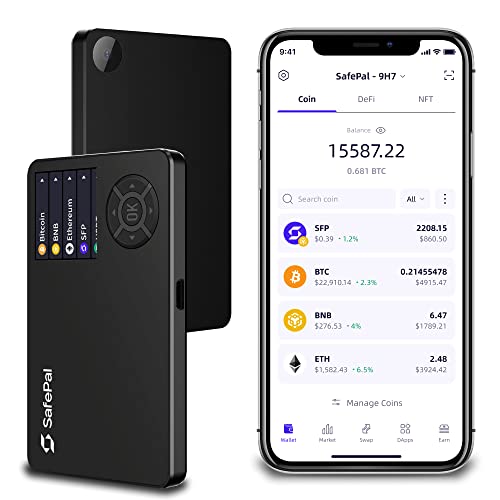
SafePal S1 Cryptocurrency Hardware Wallet, Open Source Crypto Wallet, Securely Stores Private Keys, Cold Storage for Bitcoin, Ethereum and More Tokens, NFTs, Seed Phrases & Crypto Assets
[100% off-line] SafePal S1 adopts an air-gapped signing mechanism, without any connection of Bluetooth, WiFi, NFC, or other…
As an affiliate, we earn on qualifying purchases.
As an affiliate, we earn on qualifying purchases.