
The best first step to mine Bitcoin at home is to research your local laws and regulations. Make sure mining is legal in your area and understand any restrictions or permits needed. Knowing the legal landscape helps you avoid fines or shutdowns later on. Once you’re clear on the rules, you can focus on choosing the right hardware and managing costs effectively. Stay with us for more tips on setting up your mining operation efficiently.

Get hardware and tech essentials delivered free with Prime
- Fast, free delivery on millions of items
- Prime Video, Amazon Music and more included
- Member-only deals all year
Key Takeaways
- Research local regulations to ensure Bitcoin mining is legal in your area.
- Start with a small, energy-efficient mining setup to gain experience.
- Calculate electricity costs to assess profitability before purchasing hardware.
- Choose appropriate hardware, like entry-level or ASIC miners, based on budget and goals.
- Focus on optimizing energy use and cooling to maximize long-term sustainability.

Mining Bitcoin at home might seem intimidating, but taking the right first step can make the process manageable and rewarding. The initial challenge lies in understanding the landscape of cryptocurrency regulations and how they affect your ability to mine legally and securely. It’s crucial to research your local laws because cryptocurrency regulations vary widely from one country or region to another. Some places have strict rules or outright bans, while others offer clear guidelines for miners. Knowing these regulations upfront helps you avoid legal issues and ensures your mining activities remain compliant. Once you’re familiar with the legal landscape, you can focus on the practical aspects, like selecting the right hardware.
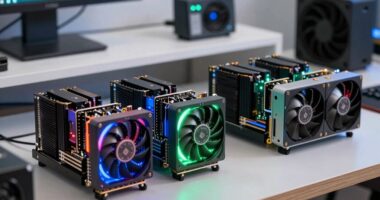
Mining hardware costs are a significant consideration. The more powerful your equipment, the higher the upfront investment, but it also means greater potential for profit. Entry-level mining rigs are more affordable but tend to be less efficient, which might not justify the electricity costs in the long run. High-performance ASIC miners, while expensive, are specifically designed for Bitcoin mining and offer better hash rates. Before purchasing any hardware, you should calculate your expected electricity costs and weigh them against the potential earnings. This helps you determine whether mining at home is financially feasible for you. Keep in mind that hardware costs aren’t the only expenses; you’ll also need to consider cooling solutions, power supplies, and ongoing maintenance.
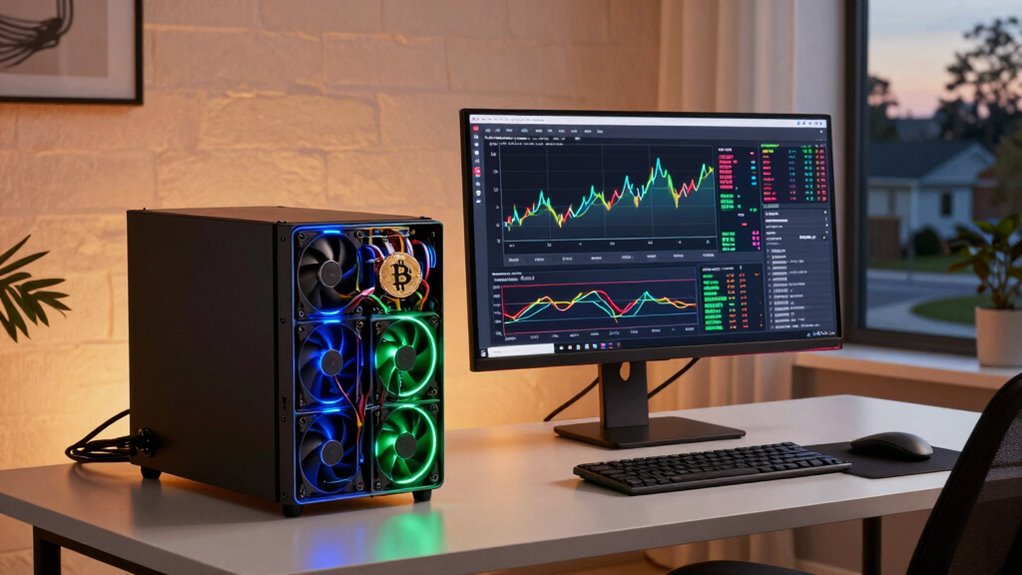
Starting with a clear understanding of your costs and legal obligations sets a solid foundation. It’s smart to begin small—perhaps with a single machine—and scale up as you gain experience and confidence. During this initial phase, focus on optimizing your setup for energy efficiency and ensuring your equipment is properly cooled to prevent overheating. You’ll also want to join online communities or forums dedicated to Bitcoin mining, where you can exchange tips, troubleshoot issues, and stay updated on any regulatory changes that could impact your operation. Additionally, exploring natural cooling techniques can help reduce energy consumption and make your setup more sustainable. Being aware of electricity consumption and how it affects your profitability is also essential for a successful mining venture. Moreover, understanding power management can help you optimize your energy use and reduce operational costs over time. Gaining knowledge about hardware efficiency can further improve your setup’s profitability and sustainability.
As an affiliate, we earn on qualifying purchases.
Frequently Asked Questions
How Much Does It Cost to Start Home Bitcoin Mining?
Starting home Bitcoin mining costs between $1,000 and $3,000, depending on your mining equipment choices. You’ll need a powerful ASIC miner, reliable power supply, and cooling solutions. Keep in mind, cryptocurrency regulations vary by region, so check local laws before starting. Also, factor in ongoing expenses like electricity and mining equipment maintenance. These costs impact profitability, so plan your budget carefully to guarantee a successful mining setup.
Is Mining Bitcoin at Home Profitable for Beginners?
Mining Bitcoin at home might seem tempting, but for beginners, it’s often a money pit dressed as a digital gold rush. While mining software is easy to install, the electricity costs and hardware wear can eat into any potential gains. Plus, maintaining Blockchain security requires expertise, making profitability a gamble. So, unless you love tech puzzles and unpredictable profits, it’s probably better to watch from the sidelines.
What Are the Best Hardware Options for Home Mining?
You should consider mining hardware like ASIC miners, such as the Antminer S19, because they offer high performance and energy efficiency. These devices are specifically designed for Bitcoin mining, maximizing your output while minimizing power consumption. While GPUs can work, they’re less energy-efficient for Bitcoin. Focus on hardware that balances power and energy efficiency, ensuring your setup is cost-effective and sustainable for home mining.
How Much Electricity Does Bitcoin Mining Consume?
Bitcoin mining consumes a significant amount of electricity, raising concerns about environmental impact. You might be surprised to learn that it can use as much energy as entire countries, depending on your hardware. To minimize this, focus on energy efficiency. Staying aware of how much electricity your setup consumes helps you balance profitability with environmental responsibility, making your mining efforts more sustainable and less harmful to the planet.
Are There Any Legal Restrictions on Mining Bitcoin at Home?
Yes, there are legal considerations and regulatory compliance you need to be mindful of when mining Bitcoin at home. Laws vary by country and region, so you should research local regulations on cryptocurrency mining. Some places require permits, tax reporting, or have restrictions on energy use. Ignoring these rules can lead to fines or legal trouble. Always stay informed about your area’s specific rules to make sure you’re mining legally and responsibly.
As an affiliate, we earn on qualifying purchases.
Conclusion
Now that you’ve taken the first step, the journey into home Bitcoin mining feels closer than ever. But remember, the path ahead isn’t without its twists—unexpected challenges and surprises await. Are you ready to navigate the complexities and turn those initial efforts into real gains? The key lies in staying informed, adaptable, and patient. Your home mining adventure is just beginning—what’s next could change everything.
cooling solutions for mining rigs
As an affiliate, we earn on qualifying purchases.
As an affiliate, we earn on qualifying purchases.
power supply for cryptocurrency mining
As an affiliate, we earn on qualifying purchases.
As an affiliate, we earn on qualifying purchases.
Fall Picks
fall essentials
As an affiliate, we earn on qualifying purchases.