
TL;DR

Get hardware and tech essentials delivered free with Prime
- Fast, free delivery on millions of items
- Prime Video, Amazon Music and more included
- Member-only deals all year
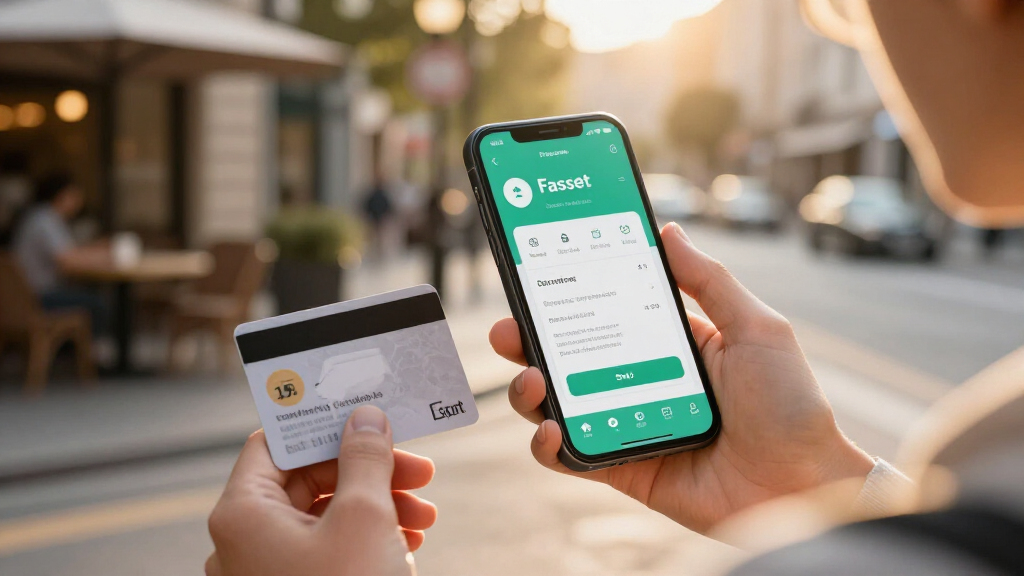
Fasset, a stablecoin neobank, has achieved a $1 billion valuation following investment from SBI. The funding underscores the increasing role of crypto in mainstream banking and payments.
Fasset, a stablecoin-focused neobank, has secured a $1 billion valuation following a significant investment from SBI, one of Japan’s largest banks. This development marks a major milestone in the integration of cryptocurrencies with traditional banking and highlights SBI’s strategic push into crypto-enabled payments, emphasizing the growing acceptance of stablecoins in mainstream finance.
Fasset’s valuation reached $1 billion after SBI announced a substantial investment aimed at expanding the neobank’s payments platform, which leverages stablecoins for faster, cheaper transactions. The deal underscores SBI’s commitment to integrating crypto assets into its financial services, positioning itself as a pioneer in crypto-enabled banking in Asia.
Sources familiar with the matter confirmed that the investment is part of SBI’s broader strategy to develop infrastructure that supports stablecoin payments, with Fasset serving as a key partner. The neobank specializes in providing digital banking services centered around stablecoins, which are digital assets pegged to fiat currencies to minimize volatility.
While the exact amount of SBI’s investment has not been disclosed, industry analysts estimate it to be substantial enough to significantly boost Fasset’s operational capacity and market reach. The valuation was announced publicly by Fasset’s leadership during a press briefing, emphasizing the company’s rapid growth and strategic importance in the crypto banking space.
Why This Valuation and Investment Matter for Crypto Banking
This development signals increasing institutional interest in stablecoins as a bridge between traditional finance and cryptocurrencies. The $1 billion valuation places Fasset among the most valuable crypto-focused neobanks, indicating strong investor confidence in stablecoin-based banking solutions. SBI’s backing suggests mainstream financial institutions are willing to support crypto infrastructure, potentially accelerating adoption of stablecoin payments in Asia and beyond.
For consumers and businesses, this could mean more seamless, faster, and cost-efficient payment options, especially across borders. The move also reflects a broader trend of traditional banks exploring crypto assets as part of their digital transformation strategies, which could reshape the landscape of financial services.
stablecoin digital banking account
As an affiliate, we earn on qualifying purchases.
As an affiliate, we earn on qualifying purchases.
Fasset’s Growth and SBI’s Strategic Moves in Crypto
Fasset launched as a neobank focused on stablecoin-based digital banking, aiming to simplify cross-border payments and digital transactions. Over the past year, it has attracted significant attention for its innovative approach to integrating stablecoins into everyday banking services.
SBI has been increasingly active in the crypto space, investing in blockchain startups and exploring stablecoin applications. Its partnership with Fasset marks a notable step in its efforts to develop infrastructure for crypto payments, aligning with its broader digital strategy announced in late 2023.
This investment follows a series of strategic moves by SBI to position itself as a leader in crypto-enabled banking, including collaborations with other fintech firms and regulatory engagement to facilitate stablecoin usage.
“Our investment in Fasset reflects our commitment to pioneering stablecoin payments and integrating crypto assets into mainstream banking.”
— SBI spokesperson
As an affiliate, we earn on qualifying purchases.
Details of SBI’s Investment and Future Plans Remain Unclear
It is not yet clear exactly how much SBI invested in Fasset or the specific terms of the deal. Details about the investment structure, future funding rounds, or planned product launches remain undisclosed. Additionally, the timeline for Fasset’s expansion and the scope of SBI’s integration into its platform are still developing.
As an affiliate, we earn on qualifying purchases.
Next Steps for Fasset and SBI in Crypto Payments Expansion
Fasset is expected to utilize the new funding to expand its payment services and develop new features for stablecoin transactions. SBI may accelerate its efforts to incorporate stablecoins into its broader banking ecosystem, possibly announcing new products or partnerships in the coming months. Monitoring regulatory developments in Asia will also be crucial as both entities push forward with crypto-enabled banking solutions.
cross-border crypto transfer tools
As an affiliate, we earn on qualifying purchases.
As an affiliate, we earn on qualifying purchases.
Key Questions
What is Fasset’s core service?
Fasset is a neobank that offers digital banking services centered around stablecoins, enabling faster and cheaper cross-border payments.
How significant is SBI’s investment?
While the exact amount has not been disclosed, industry estimates suggest it is substantial enough to support Fasset’s growth and expansion plans, reflecting SBI’s strategic interest in stablecoin payments.
Why does this valuation matter?
The $1 billion valuation indicates strong investor confidence in stablecoin banking and signals mainstream financial support for crypto-enabled payments, potentially influencing broader adoption.
What are stablecoins and why are they important?
Stablecoins are digital assets pegged to fiat currencies, offering stability and efficiency for digital transactions, making them attractive for cross-border payments and banking services.
What could this mean for consumers?
If successful, this partnership could lead to more seamless, faster, and lower-cost payment options for users, especially in international transactions.
Source: rss
Halloween Picks
halloween
As an affiliate, we earn on qualifying purchases.