TL;DR

Get hardware and tech essentials delivered free with Prime
- Fast, free delivery on millions of items
- Prime Video, Amazon Music and more included
- Member-only deals all year
A Visa survey of 14,250 people found that 46% of respondents across Asia-Pacific were likely to use stablecoins within five years, compared with 16% who said they had used them in the past year. Visa also reported that only 6% accurately understood how stablecoins work, while fraud and scam concerns were the leading barrier among aware non-users.
Nearly half of surveyed Asia-Pacific consumers said they are likely to use stablecoins within the next five years, according to a Visa survey of 14,250 people. The findings point to growing consumer interest in digital currencies pegged to fiat money, but Visa also reported that just 6% accurately understood how stablecoins work and that fraud and scam concerns were the most commonly cited obstacle among aware non-users.
Visa said 46% of respondents were likely to use stablecoins within five years. That compares with 16% who reported using them during the previous 12 months. The figures describe survey responses, not verified future adoption or a forecast that those respondents will become users.
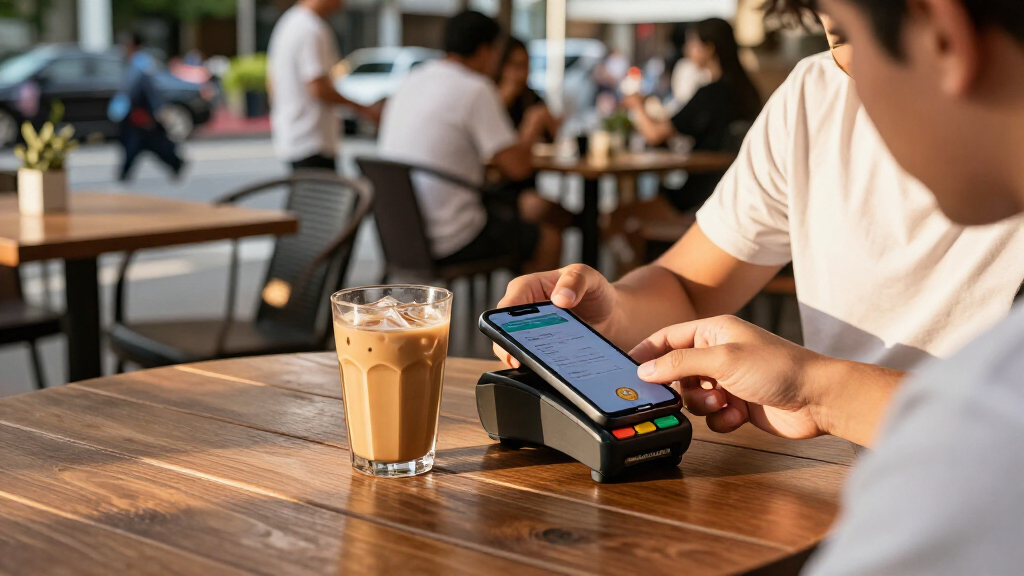
Interest extended beyond cryptocurrency trading. About 49% said stablecoins could become a common way to move money across borders within five years, while Visa reported interest in using them for everyday purchases, travel and international transfers. The survey summary did not provide a breakdown of responses by country, age group or intended use.
Knowledge did not match interest: Visa said only 6% demonstrated an accurate understanding of stablecoins. About half of respondents said they believed stablecoins could only be used to buy or sell other cryptocurrencies. Among people aware of stablecoins who had not used them, fraud and scams were the leading concern, according to the company.
Interest Outpaces Stablecoin Understanding
The survey highlights a gap that could shape whether stated interest turns into regular payment use: consumers express interest, but relatively few understand the product, and concerns about fraud remain prominent. For payment companies, banks and stablecoin providers, that suggests demand alone may not be enough. Clear information, consumer safeguards and familiar ways to pay could influence whether people are willing to use stablecoins outside crypto-related activity.
The potential use cases named in the survey—cross-border transfers, travel and everyday spending—matter because they connect stablecoins to ordinary payment needs. Still, the findings measure what respondents say they might do, not actual transactions, savings or adoption. They do not establish that stablecoins will become common across APAC, or that they will be cheaper or safer than existing payment options.
As an affiliate, we earn on qualifying purchases.
Visa Builds Stablecoin Settlement Links
Visa’s survey arrives as payment firms and financial institutions compete to develop stablecoin-related services in Asia. The supplied report describes the region as an established center for stablecoin flows and on-chain activity, while noting that companies are seeking to translate that activity into everyday payment products. The Asia Business Council puts the region’s middle-class consumer population at about 2.5 billion; that figure is regional context, not the number surveyed by Visa.
Visa has expanded its stablecoin settlement network and is seeking to support more tokens and blockchains, according to the report. Its partner Reap is preparing local-currency stablecoins for round-the-clock foreign-exchange settlement in Asia and other markets, including potential tokens pegged to the Hong Kong dollar, won and yen. The report does not say those potential tokens are already available to consumers.
““We’re seeing a meaningful shift in how consumers across Asia Pacific think about stablecoins.””
— Nischint Sanghavi, Visa’s head of digital currencies for Asia Pacific
cryptocurrency cross-border transfer card
As an affiliate, we earn on qualifying purchases.
As an affiliate, we earn on qualifying purchases.
Survey Interest Is Not Actual Adoption
The findings do not show whether respondents will go on to use stablecoins, how often they might use them or which payment providers they would choose. The source material also does not specify the survey field dates, sampling method, country-level results or how respondents were selected, limiting what can be concluded about the representativeness of the responses across APAC.
It is also unclear how the survey defined an “accurate understanding” of stablecoins or how respondents interpreted “likely to use” within five years. The reported results do not establish that stablecoin payments will become common, nor do they compare costs, consumer protections or risks with existing payment methods. Stablecoins can carry financial and operational risks, and users may lose money; the survey does not assess those risks for particular products.
As an affiliate, we earn on qualifying purchases.
Payment Products Face the Adoption Test
The next test for payment providers will be whether they can turn interest into services that consumers understand and trust. Visa says its work includes expanding settlement support for stablecoins, while Reap is preparing local-currency tokens for foreign-exchange settlement. The source material does not give launch dates, name products now available to consumers or confirm when the potential Hong Kong dollar-, won- or yen-pegged tokens may be issued.
Further information about the survey’s methods and country-level results would help clarify how broadly the findings apply. For now, the reported figures show openness, not confirmed adoption; future product launches and independently observable usage would provide a clearer measure of whether that interest leads to routine payments.
As an affiliate, we earn on qualifying purchases.
Key Questions
What did Visa’s APAC survey find?
Visa reported that 46% of respondents were likely to use stablecoins within five years, while 16% said they had used them in the previous 12 months. The survey included 14,250 people, according to the company.
How many respondents understood stablecoins accurately?
Visa said 6% demonstrated an accurate understanding of how stablecoins work. About half believed stablecoins could only be used to buy or sell other cryptocurrencies.
What were respondents interested in using stablecoins for?
The reported areas of interest included cross-border transfers, travel and everyday purchases. The survey summary did not give detailed results by country or use case.
What was the main concern among aware non-users?
Visa said fraud and scams were the most commonly cited barrier among respondents who knew about stablecoins but had not used them.
Does the survey mean half of APAC consumers will adopt stablecoins?
No. The 46% figure reflects respondents who said they were likely to use stablecoins within five years. It is not confirmed future adoption, and the supplied report does not include enough detail about sampling or country-level results to establish how representative the finding is across the region.
Source: rss
Halloween Picks
halloween
As an affiliate, we earn on qualifying purchases.