
TL;DR

Get hardware and tech essentials delivered free with Prime
- Fast, free delivery on millions of items
- Prime Video, Amazon Music and more included
- Member-only deals all year
The Taliban has declared war on Bitcoin, banning it in Afghanistan and calling it a scam. This development marks a major policy shift and impacts local crypto activities.
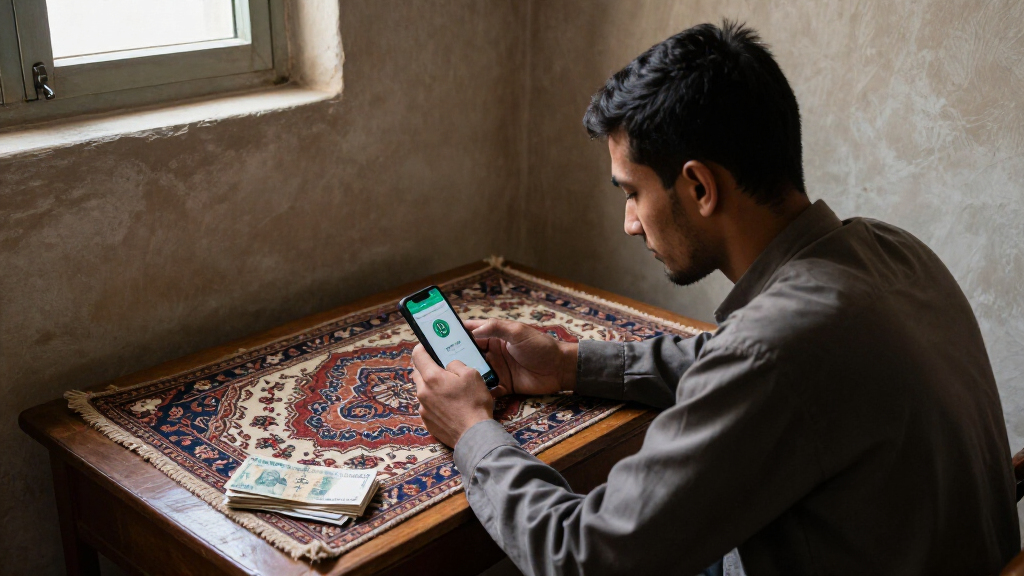
The Taliban authorities in Afghanistan have officially banned Bitcoin and other cryptocurrencies, calling them a scam and warning citizens against their use. This marks a significant shift in the country’s approach to digital assets, with authorities citing concerns over financial security and illicit activities. The move comes amid rising interest in cryptocurrencies within Afghanistan and signals a hardening stance by the Taliban regime.
According to official statements from Taliban spokespersons, the government has declared all cryptocurrency transactions illegal, warning citizens that engaging in such activities could result in legal action. The ban specifically targets Bitcoin, which has gained popularity among Afghans seeking alternatives to traditional banking amid economic instability and currency devaluation.
Sources within the Taliban government confirmed that the decision was made after internal discussions about the risks associated with unregulated digital currencies. The government described Bitcoin as a scam that facilitates money laundering, fraud, and other illicit activities, aligning with their broader efforts to control financial flows and prevent criminal activities.
There are reports that local authorities have begun confiscating crypto-related devices and accounts, although the extent of enforcement remains unclear. Some Afghan citizens and traders have expressed concern over the sudden crackdown, fearing financial losses and legal repercussions.
Implications for Afghanistan’s Financial Landscape
This ban represents a major shift in Afghanistan’s financial policy, potentially limiting the options for citizens to use cryptocurrencies as a means of saving or conducting transactions. It also signals the Taliban’s intent to exert tighter control over digital financial activities, which could influence regional crypto markets and international perceptions of Afghanistan’s economic policies.
For Afghan residents, the move may deepen economic hardships, especially as the country faces ongoing inflation and limited access to foreign currency. The ban could also hinder the growth of any emerging crypto sector, which had been gaining traction as an alternative financial avenue.
As an affiliate, we earn on qualifying purchases.
Background on Cryptocurrency in Afghanistan
Interest in cryptocurrencies in Afghanistan has grown over recent years, driven by economic instability, currency devaluation, and limited access to traditional banking. Despite the Taliban’s initial ambiguous stance on digital assets, some reports indicated that crypto activities were increasing, especially among traders and tech-savvy youth seeking alternatives.
Historically, Afghanistan has faced economic challenges, with the country heavily reliant on foreign aid and remittances. The rise of cryptocurrencies offered a potential escape from currency restrictions and inflation, although the government had previously issued warnings about unregulated digital currencies.
This latest ban aligns with the Taliban’s broader efforts to tighten control over financial sectors and prevent what they describe as illicit financial flows, but it also marks a departure from any previous tentative acceptance or tolerance.
As an affiliate, we earn on qualifying purchases.
Unclear Enforcement and Future Policy
Details remain unclear regarding the scope and enforcement of the ban. It is uncertain how widespread the confiscations will be, whether existing crypto holdings will be targeted, and if the Taliban might reconsider their stance in the future. International reactions and potential sanctions are also still developing.
As an affiliate, we earn on qualifying purchases.
Next Steps and Potential Reactions
Authorities are expected to intensify enforcement measures, including raids and asset confiscations. Afghan citizens and traders may seek alternative methods to access or use cryptocurrencies, possibly turning to informal channels or foreign exchanges. International actors and crypto communities are closely watching the situation for any shifts or diplomatic responses.
Further statements from Taliban officials and updates on enforcement actions are anticipated in the coming weeks, which will clarify the extent of the crackdown and its implications for Afghanistan’s economy.
As an affiliate, we earn on qualifying purchases.
Key Questions
Why did the Taliban ban Bitcoin now?
The Taliban cited concerns over scams, illicit activities, and financial security as reasons for the ban. The move appears to be part of their broader effort to control financial flows and prevent criminal use of digital currencies.
Could this ban be temporary?
It is unclear whether the ban is permanent or subject to future policy changes. The Taliban’s stance on cryptocurrencies may evolve, but current statements suggest a firm position for now.
How will this affect Afghan citizens who use crypto?
The ban could restrict access to digital assets for Afghan traders, entrepreneurs, and ordinary citizens relying on cryptocurrencies for financial transactions. It may also push users toward informal or unregulated channels, increasing risks.
What is the international reaction?
At this stage, international responses are not yet clear. Some countries and organizations might criticize the move, especially if it hampers economic development or violates international agreements, but specific reactions are still emerging.
Are other cryptocurrencies affected besides Bitcoin?
Official statements mention cryptocurrencies generally, so it is likely that other digital assets are also included in the ban, but the focus appears to be on Bitcoin due to its popularity in Afghanistan.
Source: rss
Fall Picks
fall essentials
As an affiliate, we earn on qualifying purchases.