
🔍 Read the full analysis: Smart Home Revolution: 14 AI Devices You Need In 2026 on ThorstenMeyerAI.com

Get hardware and tech essentials delivered free with Prime
- Fast, free delivery on millions of items
- Prime Video, Amazon Music and more included
- Member-only deals all year
TL;DR
In 2026, a wave of 14 AI devices is redefining smart homes, offering advanced automation, privacy, and seamless integration. This guide highlights the key devices and their impact.
In 2026, the smart home market is experiencing a significant shift as 14 AI-powered devices are set to become essential for modern living. This development is detailed in the original analysis. These devices, ranging from energy monitors to voice control panels, are transforming how users interact with their homes, emphasizing automation, privacy, and seamless ecosystem integration. This development matters because it reflects the rapid adoption of AI in everyday environments, offering consumers smarter, more responsive living spaces.
The top-ranked device is the Home Energy Monitor with IoT and AI Integration, praised for its comprehensive energy insights and automation capabilities. Learn more about smart thermostats and their role in energy management. It stands out for local processing, which enhances privacy and response speed. Another key player is the SwitchBot AI Hub, supporting Matter protocol and local storage, making it highly compatible with diverse smart home setups.
The Multi-Functional AI Voice Control Panel offers an intuitive interface that prioritizes voice commands, catering to users seeking effortless control. As the market expands, consumers face tradeoffs between device complexity, cost, and compatibility. Devices with local AI processing are favored for privacy and speed, while cloud-based options often deliver more advanced features at a higher latency and security risk. For a broader overview of smart home devices, see the original analysis. Compatibility with existing ecosystems like Alexa, HomeKit, and Zigbee remains a critical factor for seamless integration.
The 14 picks
- 1
 SwitchBot AI Hub with OpenClaw Support and Local Camera StorageView on Amazon →
- 2
 Hubitat Elevation C-8 Pro Smart Home Automation Hub – Matter 1.5, Z-Wave 800…View on Amazon →
- 3
 Multi-Functional AI Voice Control Panel with Mechanical LCD Keys and Secondar…View on Amazon →
- 4
 Home Energy Monitor – Real Time Electricity Usage Monitor with AI-Powered Ana…View on Amazon →
- 5
 SenseCAP Watcher W1-A Physical AI Agent, Clear Enclosure, Compatible with Hom…View on Amazon →
- 6
 iSG Box SE ZB Smart Home Hub with Preinstalled Home AssistantView on Amazon →
- 7
 AI-Powered Smart Home DevicesView on Amazon →
- 8
 iSG Box SE Smart Home Hub with Preinstalled Home AssistantView on Amazon →
- 9
 Arduino Home Automation Projects: Automate Your Home Using the Arduino PlatformView on Amazon →
- 10
 SwitchBot Smart mmWave Radar Motion Sensor, Bluetooth Presence Sensor with Dy…View on Amazon →
- 11
 Meross Presence Sensor MS605, IP67 Battery-Powered, Matter Over ThreadView on Amazon →
- 12
 AI-Powered Smart Home Guide 2026: A Step-by-Step Guide to Designing, Optimizi…View on Amazon →
- 13
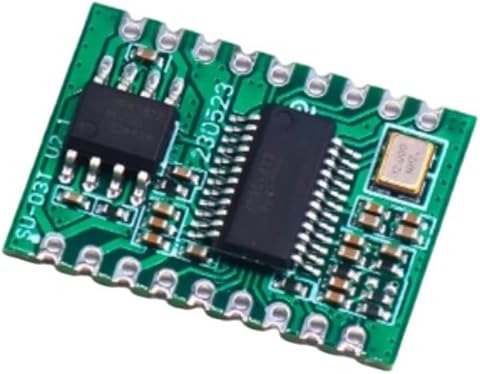 Local AI Voices Command Processor for Home Automation SystemsView on Amazon →
- 14
 AI Powered Smart Home Guide for Beginners 2026View on Amazon →
Why These Devices Mark a Turning Point in Smart Living
The emergence of these 14 AI devices signifies a major evolution in smart home technology, emphasizing privacy, responsiveness, and ecosystem compatibility. By integrating local AI processing, these devices reduce latency and data exposure, addressing growing consumer concerns over security. Their widespread adoption can lead to more energy-efficient, user-friendly, and secure homes, influencing how future smart environments are designed and used.
Market Growth and Technological Advances in 2026
Over the past few years, AI-powered smart home devices have transitioned from niche gadgets to mainstream essentials. The 2026 market introduces a range of devices that leverage advances in local processing, machine learning, and multi-protocol support. Prior developments include the rise of voice assistants and energy management systems, setting the stage for these new AI-driven innovations. The current trend emphasizes privacy and interoperability, responding to consumer demand for more secure and integrated solutions.
Unresolved Questions About the 2026 AI Devices
While these devices are promising, it is not yet clear how widely they will be adopted across different regions or how manufacturers will address ongoing security concerns. The long-term durability of local AI processing and the potential need for software updates or hardware upgrades remain uncertain. Additionally, the full extent of interoperability between all 14 devices and existing ecosystems is still under development, and some devices may face compatibility or standardization challenges.
Next Steps for Consumers and Industry Stakeholders
In the coming months, expect to see these devices available through major retailers, with updates on their integration capabilities and security features. Industry standards organizations are likely to accelerate efforts toward universal compatibility, especially with protocols like Matter. Consumers should monitor firmware updates and security advisories to ensure ongoing protection. Manufacturers may also release new models that improve on current AI features, emphasizing privacy and ease of use.
Key Questions
Do I need a central hub to use these AI devices?
Many of these devices can operate directly via Wi-Fi or Bluetooth, eliminating the need for a dedicated hub. However, a central hub can simplify management, enable more complex automations, and improve reliability, especially in larger setups.
How secure are these AI-powered home devices?
Security varies among devices, but those with local AI processing generally offer better privacy and reduced external attack surfaces. Reputable brands support strong encryption and regular firmware updates, which are critical for maintaining security.
Can I expand or upgrade my smart home system later?
Yes, most systems are designed for scalability. Devices supporting open standards like Matter or Zigbee facilitate future expansion, and compatibility with existing protocols helps ensure seamless upgrades.
Will these devices work with my existing smart home ecosystem?
Compatibility depends on the device’s support for common protocols and ecosystems. Many new devices support multiple standards, but it’s important to verify compatibility with your current setup before purchasing.
Are these devices affordable for average consumers?
Prices vary widely. Premium devices with advanced AI features tend to cost more but offer greater longevity and integration. Budget options can still provide essential automation, but may lack some advanced features or local processing capabilities.
Source: ThorstenMeyerAI.com
Fall Picks
fall essentials
As an affiliate, we earn on qualifying purchases.