
To verify your hardware wallet’s authenticity, start by checking the packaging for clear branding, security seals, holograms, and signs of tampering. Examine the device closely for high-quality materials, consistent logos, and proper interface design. Confirm serial numbers or QR codes with the manufacturer or official app. Purchase only from verified sources or authorized resellers. Additionally, compare these features with official images and security measures. If you want to learn more on ensuring your device’s authenticity, keep exploring the key steps.
Key Takeaways
- Verify packaging for tampering, clear branding, security seals, holograms, and consistency with official images.
- Inspect the device for high-quality materials, proper finish, and accurate logos; ensure the interface matches official designs.
- Confirm serial numbers or QR codes with the manufacturer or official app to ensure device legitimacy.
- Purchase only from authorized sellers or directly from the manufacturer to reduce counterfeit risk.
- Compare device features and security elements with official images and verify the manufacturer’s reputation.
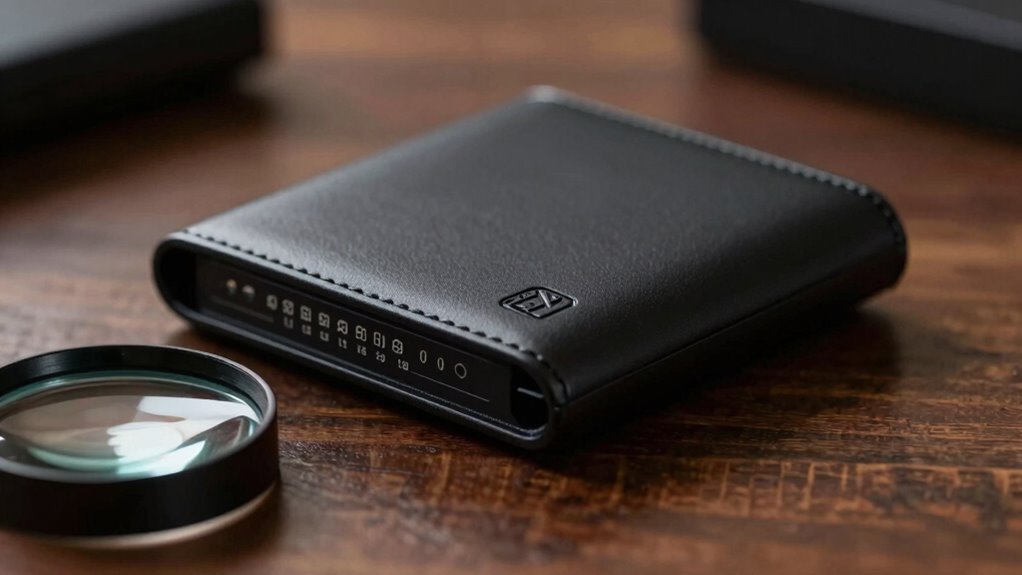
Are you unsure if your hardware wallet is authentic? If so, you’re right to be cautious. Your hardware wallet plays a critical role in your cryptocurrency security, and using a counterfeit device can leave your assets vulnerable. Ensuring you’re using a genuine product is the first step to protecting your investments. Counterfeit detection is essential because scammers often produce fake wallets that resemble legitimate devices, making it difficult to distinguish between real and fake. Before you set up your hardware wallet, take the time to verify its authenticity thoroughly.
Start by inspecting the packaging. Genuine hardware wallets typically come in high-quality packaging with clear branding, logos, and security seals. Check for any signs of tampering, such as broken seals or misspelled words. Authentic products usually have holograms or other tamper-evident features that counterfeiters often neglect or replicate poorly. If the packaging looks suspicious or inconsistent with what you’ve seen on the manufacturer’s website, it’s a warning sign. Remember, counterfeit detection begins with careful packaging inspection.
Next, examine the device itself. Genuine hardware wallets are built with high-quality materials and precise manufacturing standards. Look for any irregularities in the finish, buttons, or screen. Fake devices may have misshapen components, blurry logos, or unresponsive buttons. When you power on the device, verify that the interface matches the official design and that the firmware version is up-to-date. Some counterfeit wallets run outdated or compromised software, which can jeopardize your cryptocurrency security. Always compare the device’s appearance and features against official images and descriptions from the manufacturer’s website. Ensuring the device’s authenticity can help prevent potential security breaches. Additionally, verifying the device’s security features can provide extra assurance of its legitimacy. Confirming the manufacturer’s reputation can further help you identify genuine devices and avoid scams. A thorough understanding of hardware quality standards can also aid in recognizing authentic devices.
Another essential step is to verify the device’s serial number or QR code, if available. Authentic hardware wallets often have unique identifiers that you can verify directly with the manufacturer or through their official app. Many manufacturers provide tools or customer support channels to confirm the device’s legitimacy. Be wary of devices that lack serial numbers or have inconsistent identifiers. This step adds an extra layer of counterfeit detection and reassures you that you’re working with a legitimate product.
Finally, when in doubt, purchase directly from the manufacturer or authorized resellers. Avoid third-party sellers with questionable reputations, as they may sell counterfeit or tampered devices. Investing a little extra time in verifying your hardware wallet’s authenticity can save you significant headaches and protect your cryptocurrency security in the long run. Remember, being cautious now helps prevent potential theft or loss of your digital assets later.

Pull-Tite Steel Security Cable Wire Seals Numbered Anti-Tamper Security Tags (Red, Pack of 50pcs)
Single-use security shipping tags with unique series number, adding security to prevent un-authorized entry. Anti-Theft, anti-tamper, tamper evident…
As an affiliate, we earn on qualifying purchases.
As an affiliate, we earn on qualifying purchases.
Frequently Asked Questions
Can Fake Hardware Wallets Damage My Cryptocurrencies?
Fake hardware wallets can indeed damage your cryptocurrencies if they bypass security protocols or lack proper counterfeit detection. These counterfeit devices might steal your private keys or expose your seed phrase, leaving your funds vulnerable. Always verify the authenticity of your hardware wallet through official sources, check for tampering, and confirm it has the latest firmware updates. Proper counterfeit detection helps protect your assets from maliciously crafted, fake devices.
What Are the Signs of a Compromised Hardware Wallet?
If your hardware wallet shows signs of firmware tampering, like unexpected prompts or errors, it’s a red flag. Also, check for counterfeit packaging—poor quality, misspellings, or missing seals suggest compromise. You might notice irregular behavior, such as unfamiliar transaction prompts or unusual reset requests. These signs indicate your device could be compromised, risking your cryptocurrencies. Always verify packaging authenticity and firmware integrity before use to protect your assets.
How Long Does a Genuine Hardware Wallet Typically Last?
A genuine hardware wallet typically lasts around 3 to 5 years, depending on hardware durability and usage. You should also check warranty coverage, as reputable brands usually offer one-year or longer warranties, ensuring support if issues arise. Proper handling and avoiding physical damage can extend its lifespan. Keep in mind, regular firmware updates help maintain security and functionality, maximizing your device’s longevity.
Are There Any Official Certifications for Authentic Hardware Wallets?
Imagine a shield glowing with the manufacturer’s logo—this symbolizes authenticity. Official certifications like the CC (Common Criteria) and FIPS 140-2 validate a hardware wallet’s security and authenticity. You can trust reputable brands with strong manufacturer reputations because they adhere to rigorous standards, aiding counterfeit detection. Always look for these certifications on packaging or official websites to verify your wallet’s genuine and safe for your crypto assets.
Can I Verify a Hardware Wallet’s Authenticity Through Its Serial Number?
You can verify a hardware wallet’s authenticity through its serial number, but it’s just one step in hardware security and counterfeit detection. Check the serial number on the manufacturer’s official website or contact their support to confirm if it’s genuine. This helps confirm your wallet isn’t counterfeit, giving you confidence in its security. Always combine serial number verification with other authenticity checks for thorough counterfeit detection.
genuine hardware wallet verification
As an affiliate, we earn on qualifying purchases.
As an affiliate, we earn on qualifying purchases.
Conclusion
Before you start using your hardware wallet, take a moment to verify its authenticity. Trusting a genuine device can save you from potential theft or loss of your crypto assets. Some say counterfeit wallets are indistinguishable at first glance, but thorough checks—like verifying packaging, serial numbers, and manufacturer details—can reveal the truth. Remember, a little caution now could save you from big headaches later in your crypto journey. Stay vigilant!

Trezor Model One – The Original Cryptocurrency Hardware Wallet, Bitcoin Security, Store & Manage 1000's of Coins&Tokens, Easy-to-Use Interface, Quick & Simple Setup (Black)
All-in-one hardware wallet for easy crypto security, storage & use
As an affiliate, we earn on qualifying purchases.
As an affiliate, we earn on qualifying purchases.
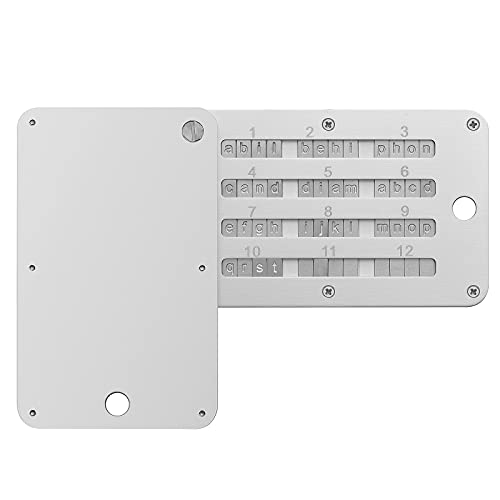
Crypto Steel Bitcoin Wallet, Cryptocurrency Seed Backup Cold Storage, Hardware Cold Wallet for Crypto Seed Storage, Supports up to 24 Words
Compatible with All BIP39 Hardware & Software Wallets, This metal mnemonic wallet allows 24-word crypto seed phrases and…
As an affiliate, we earn on qualifying purchases.
As an affiliate, we earn on qualifying purchases.