You might think investors hold the key to blockchain success, but node operators are actually the backbone that keeps networks secure, decentralized, and trustworthy. They validate transactions, uphold rules, and prevent control by any single entity. Without them, the system is vulnerable to attacks and censorship. Their work supports transparency and resilience, ensuring the network stays true to its principles. Want to understand more about their essential role? Keep going to discover how they truly shape the ecosystem.
Prime for Young Adults — start your free trial
Fast free delivery, streaming and member deals for eligible 18–24 year olds.
As an affiliate, we earn on qualifying purchases.
Key Takeaways
- Node operators ensure the security, decentralization, and resilience of blockchain networks, which investors often overlook.
- Their work maintains trustworthiness and prevents centralized control, safeguarding the ecosystem’s long-term stability.
- By validating transactions and upholding network rules, node operators build a secure environment that benefits all participants.
- Decentralized node participation reduces vulnerabilities and attacks, crucial for a trustworthy, censorship-resistant system.
- Supporting node operators is essential for sustaining the core principles of transparency, security, and operational integrity in blockchain.
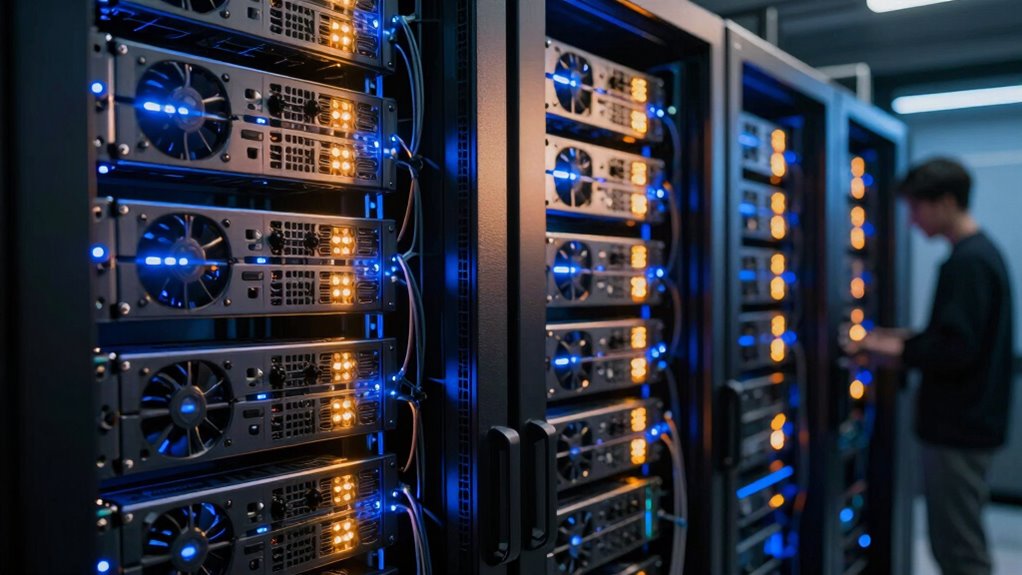
While investors often grab headlines with their profits, it’s the node operators who keep blockchain networks running smoothly and securely. These individuals or entities run the critical infrastructure that supports decentralization and ensures the network’s integrity. Without node operators, the entire blockchain ecosystem would lack the backbone needed for trust and resilience. They validate transactions, maintain the ledger, and uphold the rules that keep the network trustworthy. Their role is often underestimated because the spotlight tends to be on those who buy and sell tokens, but in reality, node operators are the foundation of network security.
Node operators are the unseen backbone ensuring blockchain security, decentralization, and trust.
By running nodes, you contribute directly to the Free Floating decentralization benefits that blockchain technology promises. Decentralization reduces the risk of single points of failure, censorship, or manipulation. When a network is decentralized, no single entity controls the data or the consensus process, making it more resistant to attacks and corruption. As a result, the presence of diverse node operators from multiple locations enhances the resilience of the network against targeted disruptions. This diversification makes it harder for malicious actors to compromise the system, further emphasizing the importance of widespread participation. Supporting a diverse set of node operators also helps prevent centralized control, which can threaten the overall health of the network.
Network security hinges heavily on node operators because each node acts as a guardian of the blockchain’s integrity. They verify transactions, confirm that blocks follow the protocol, and prevent fraudulent activity. This collective effort creates a highly secure environment where malicious actors face significant hurdles. When more nodes operate across diverse locations and entities, the network becomes even harder to attack, as there’s no centralized target. As a node operator, your participation bolsters this security, helping maintain a trustworthy environment for all users. Additionally, the distributed nature of nodes fosters trustless interactions, ensuring users can rely on the system without needing to trust any single entity.
Most investors overlook how vital node operators are to the network’s health. They might chase quick gains or focus on market speculation, but the real value lies in the operational security and decentralization that node operators enable. Their work ensures the network remains censorship-resistant, transparent, and resilient against threats. By supporting and running nodes, you play an active role in safeguarding the system’s core principles, fostering a more open and secure digital economy. While profits from trading are tempting, the lasting impact and importance of node operators in maintaining the network’s security and decentralization are what truly keep blockchain ecosystems sustainable and trustworthy in the long run.
As an affiliate, we earn on qualifying purchases.
Frequently Asked Questions
How Do Node Operators Impact Network Security?
You impact network security by running nodes that support decentralization, which reduces risks of attacks and censorship. Your validator incentives encourage honest participation, strengthening the network’s integrity. The importance of decentralization lies in distributing control, making it harder for bad actors to compromise the system. By reliably operating your node, you help maintain a secure, resilient blockchain that benefits all users, ensuring trust and stability across the network.
What Are the Costs Associated With Running a Node?
Running a node can cost you around $500 to $2,000 annually, depending on your setup. You’ll need to budget for hardware costs like servers or computers, plus ongoing node maintenance to guarantee peak performance. These expenses are essential for maintaining network security and decentralization. While it might seem costly, supporting the network’s integrity makes your contribution invaluable, especially as more users rely on secure, decentralized systems.
Can Anyone Become a Node Operator Easily?
You can become a node operator, but it’s not always easy. Achieving node diversity and engaging with the community help, as they provide support and resources. You’ll need technical skills, hardware, and a commitment to maintaining your node. While the process can be accessible for tech-savvy individuals, others might find it challenging. Active community participation can boost your chances of success and deepen your understanding of the network.
How Do Node Operators Influence Transaction Speeds?
Think of node operators as the engine that keeps the blockchain moving smoothly. Your role in transaction validation directly impacts transaction speeds because faster, reliable nodes process blocks efficiently. They also promote network decentralization, reducing bottlenecks and single points of failure. When you operate a node, you help guarantee transactions are validated quickly, making the network more resilient and responsive for everyone. Your contribution truly accelerates the entire system.
What Are the Risks of Operating a Node?
Operating a node involves risks like technical failures, security breaches, or losing funds due to vulnerabilities. Your role impacts node scalability, as poor maintenance can slow the network. Additionally, community governance decisions can introduce changes that affect your operation or rewards. You need to stay updated on protocol updates and security practices to minimize risks and guarantee smooth participation in the network’s growth.
As an affiliate, we earn on qualifying purchases.
Conclusion
Remember, in this digital age, node operators are the unsung heroes, quietly keeping the network alive like the steadfast blacksmiths of old. Without them, your investments are just empty promises, akin to a castle built on sand. So, don’t overlook their importance—think of them as the backbone of the blockchain, holding everything together through storm and sunshine. Just like the knights of yore, their role is essential, and history will remember their quiet, unwavering strength.
As an affiliate, we earn on qualifying purchases.
decentralized node operator equipment
As an affiliate, we earn on qualifying purchases.
As an affiliate, we earn on qualifying purchases.
NFL season / tailgating Picks
team gear
As an affiliate, we earn on qualifying purchases.