
TL;DR

Get hardware and tech essentials delivered free — and shop member deals
- Fast, free delivery on millions of items
- Access to Prime Big Deal Days deals on October 6–7
- Prime Video, Amazon Music and more included
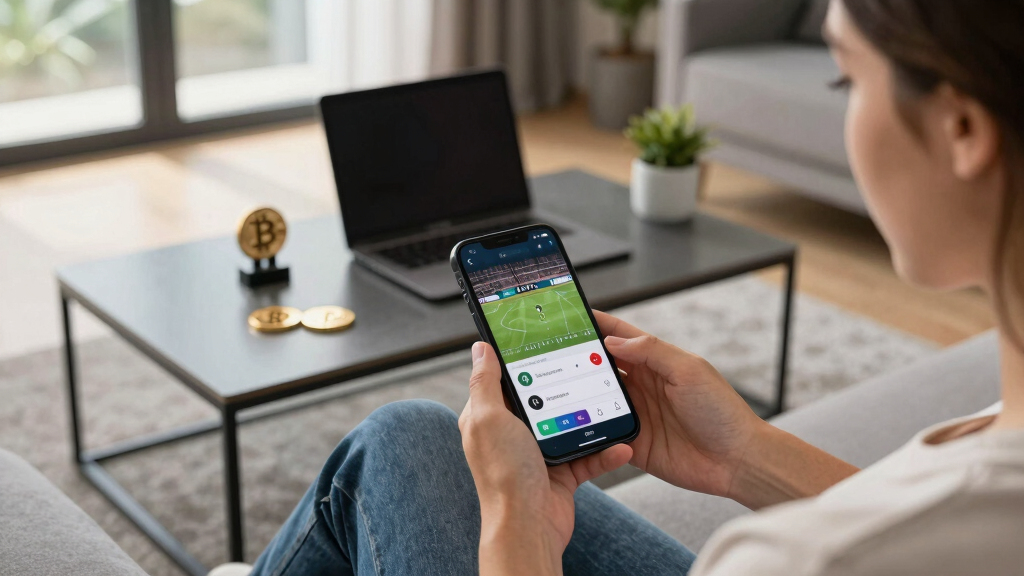
In China, viewers are increasingly watching the World Cup on mobile devices rather than traditional TV. Streaming platforms like Xiaohongshu and CCTV apps are leading this change, driven by digital trends and timing of matches.
Chinese viewers are predominantly watching the 2026 World Cup matches on smartphones via streaming platforms, rather than traditional television, marking a significant shift in consumption habits. This change is driven by the widespread use of digital media and the timing of matches, which often occur during late-night hours in China. The trend highlights evolving media preferences in China and the growing importance of mobile streaming for major sporting events.
Chinese social media platform Xiaohongshu secured free streaming rights for the World Cup through a partnership with state-owned China Media Group, which controls CCTV, less than a month before the tournament began. This allowed users to watch matches on mobile and smart TV apps without ads. Meanwhile, many locals in Beijing are choosing to follow the games online at home rather than gathering in bars or public venues, due to the late or early timing of matches caused by the 12-hour time difference.
Data from FIFA indicates that during the 2022 World Cup, China accounted for nearly half of all digital and social platform viewing hours globally. The rise of 5G connectivity and affordable roaming packages further facilitate this shift. Platforms such as Douyin, ByteDance’s short-video app, and Xiaohongshu are central to this trend, with users like Quan Zhao planning to watch only select matches in full while browsing updates on their phones.
Compared to 2022, when Douyin held the streaming rights, this year’s efforts focus on engaging users through soccer commentators, creators, and AI effects, despite Xiaohongshu’s smaller user base of approximately 245 million as of March. Meanwhile, Tencent Cloud supports match streaming across 16 regions in Asia Pacific, reflecting the growing international reach of Chinese tech companies in sports broadcasting.
Impact of Mobile-First Viewing on Chinese Sports Culture
This shift to mobile streaming signifies a transformation in how Chinese audiences engage with live sports, emphasizing digital consumption over traditional TV. It reflects broader trends of internet and mobile device dominance in China, influencing advertising, media rights, and social interactions around major events like the World Cup. For broadcasters and brands, understanding this change is critical for reaching Chinese consumers effectively.
smartphone clip for streaming sports
As an affiliate, we earn on qualifying purchases.
As an affiliate, we earn on qualifying purchases.
Digital Trends and the Changing Media Landscape in China
China has seen a rapid growth in digital media consumption, with 40% of daily mobile phone time spent on videos, mostly on short-video apps like Douyin. The country’s digital infrastructure, including widespread 5G, supports high-quality streaming, making mobile devices the primary platform for entertainment. Previous World Cups, especially in 2022, already demonstrated China’s significant share of global digital viewership, driven by pandemic restrictions and a preference for on-demand content.
This year, the timing of matches and the availability of free streaming through platforms like Xiaohongshu and CCTV have reinforced this trend. The digital-first approach aligns with China’s broader media consumption patterns, where social media and short videos are dominant sources of news and entertainment.
“Chinese viewers are now mostly watching the World Cup on their smartphones, with traditional TV use declining significantly.”
— an anonymous researcher
mobile phone holder for watching videos
As an affiliate, we earn on qualifying purchases.
As an affiliate, we earn on qualifying purchases.
Unclear Long-Term Impact of Mobile Streaming Trends
It is not yet clear whether this shift to mobile streaming will lead to sustained changes in sports viewership habits in China or if traditional TV will recover for future events. The influence of government policies, platform competition, and evolving consumer preferences remains uncertain.
As an affiliate, we earn on qualifying purchases.
Future Developments in Chinese Sports Streaming
As the World Cup progresses, analysts will monitor whether Chinese viewers continue favoring mobile platforms or revert to traditional TV for major sporting events. Additionally, broadcasters and streaming platforms may introduce new features or partnerships to capture audience engagement and advertising revenue. The impact of match timing and platform innovations will shape future viewing behaviors.
smart TV streaming app for sports
As an affiliate, we earn on qualifying purchases.
As an affiliate, we earn on qualifying purchases.
Key Questions
Why are Chinese viewers watching the World Cup on their phones instead of TV?
Widespread use of smartphones, mobile-friendly streaming platforms, and the timing of matches during late-night hours make mobile devices the most convenient option for many Chinese viewers.
Which platforms are most popular for streaming the World Cup in China?
Xiaohongshu and CCTV’s apps are key platforms for free streaming, while Douyin is also promoting extensive coverage with commentators and special effects.
Will this trend continue after the 2026 World Cup?
It is uncertain, but current data suggests a lasting shift toward digital and mobile-first sports consumption in China, influenced by ongoing technological and social trends.
How does this change affect advertisers and broadcasters?
Advertisers may shift budgets toward digital platforms, while broadcasters might prioritize online streaming to reach younger, mobile-oriented audiences.
Source: CNBC
Fall Picks
fall essentials
As an affiliate, we earn on qualifying purchases.