TL;DR
Crypto hardware wallets store private keys offline, offering top-tier security for your crypto. Recent innovations like biometric security and Web3 integration make them more useful than ever, but they come with costs and risks. Knowing their strengths and limits helps you stay safer in crypto.
Picture this: you’ve just bought a handful of Bitcoin and Ethereum. The rich, dark aroma of the digital coins fills your mind, but how do you keep them safe from hackers lurking in the shadows? That’s where crypto hardware wallets come in. They’re the fortress walls for your digital treasure, storing private keys offline and shielding your assets from online threats.
This guide will walk you through what makes these devices a game-changer, recent innovations that boost their power, and practical tips so you can make smart choices. Whether you’re a seasoned investor or just stepping into crypto, understanding hardware wallets can be the difference between secure holdings and costly losses.
Crypto hardware wallets store private keys offline, making them the safest choice for long-term crypto storage.
Choose your device based on supported coins, connectivity, and transparency—compare features before buying.
Recent tech like biometric security and Web3 integration enhances both safety and convenience in hardware wallets.
Always safeguard your seed phrase; losing it means losing access. Never store it digitally or in insecure locations.
Hardware wallets are best for large holdings but can also add security for small amounts if used properly.
What Are Crypto Hardware Wallets — Why They’re the Safest Choice
Crypto hardware wallets are physical devices designed to keep your private keys offline. Think of them as a secure vault that never exposes your keys to the internet. When you want to send crypto, the device signs the transaction inside, never revealing the private key itself.
They typically look like small USB sticks or credit cards, but inside, they house secure chips—like a bank’s secure enclave—that prevent tampering or hacking. For example, Ledger Nano S and Trezor are two popular brands trusted by millions worldwide for their robust security features.
Imagine trying to rob a bank where the vault is in a sealed, tamper-proof safe. That’s the kind of protection hardware wallets offer for your cryptocurrencies.
Understanding why hardware wallets are considered the safest option hinges on their ability to isolate private keys from online vulnerabilities. Unlike software wallets, which are connected to the internet and more vulnerable to malware or hacking, hardware wallets keep your keys offline. This separation creates a significant security barrier, especially against sophisticated cyberattacks. However, this also means that if you lose the device or the seed phrase, recovery can be complex, emphasizing the importance of secure backup procedures. The tradeoff is that hardware wallets require a higher initial investment and proper handling, but they substantially reduce the risk of theft or loss due to online threats.

TANGEM Crypto Wallet Pack of 2 – Trusted Cold Storage Hardware Wallet
- Proven Security: Over 9 years of secure card issuance
- Military-Grade Encryption: EAL6+ security keeps private keys safe
- Easy Wallet Management: Tap once to access 90 blockchains
As an affiliate, we earn on qualifying purchases.
As an affiliate, we earn on qualifying purchases.
How to Pick the Right Hardware Wallet — 3 Simple Steps
- Identify your needs: Do you want broad coin support? Mobile connectivity? Biometric security? Understanding your goals helps narrow options and ensures you choose a device that fits your specific use case.
- Research brands: Compare Ledger Nano X, Trezor Model T, and others based on features, price, and reviews. Consider factors like supported cryptocurrencies, open-source status, and community trustworthiness, as these influence security and usability.
- Purchase from trusted sources: Always buy directly from the manufacturer or authorized resellers to avoid tampered devices. Counterfeit or compromised devices can undermine security, nullifying the protection hardware wallets are supposed to provide.
For example, if you plan to store multiple coins and interact with DeFi apps, the Ledger Nano X’s Bluetooth and multi-asset support make it a strong choice. But beyond specs, consider the long-term implications—such as firmware updates and community support—since these impact device security and usability. Avoid cheap, unverified devices; they could be compromised before you even start, leading to potential theft or loss of your assets.
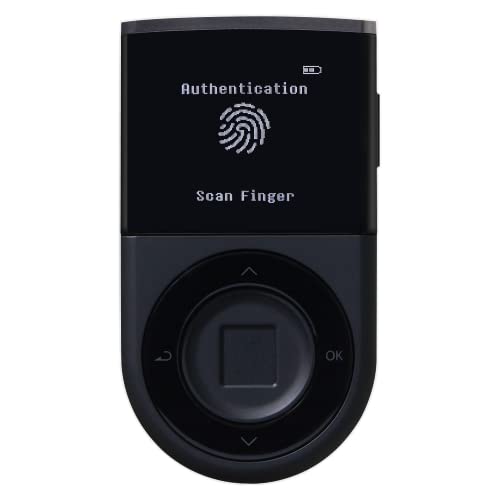
D'CENT Hardware Wallet | Biometric Cold Storage, Bluetooth, Multi-Crypto
- Secure Element with Fingerprint: EAL5+ certified chip with biometric protection
- Supports 4,900+ Assets: Compatible with multiple cryptocurrencies and NFTs
- Bluetooth Mobile Management: Tap-to-sign via D'CENT app for easy control
As an affiliate, we earn on qualifying purchases.
As an affiliate, we earn on qualifying purchases.
Comparison Table: Leading Hardware Wallets — Which One Fits You?
| Feature | Ledger Nano S | Ledger Nano X | Trezor Model T | Coldcard |
|---|---|---|---|---|
| Price | $59 | $119 | $169 | $80 |
| Connectivity | USB | USB + Bluetooth | USB | USB |
| Supported Coins | Bitcoin, Ethereum, Others | Bitcoin, Ethereum, 1800+ tokens | Bitcoin, Ethereum, others | Bitcoin, Bitcoin Cash, others |
| Open Source | Firmware closed, app open | Firmware closed, app open | Open source | Open source |
| Security | High | Very high, biometric optional | High, open source | High, with secure element |
This table helps you see at a glance what features matter most—whether it’s coin support, price, or transparency. The right device depends on your specific needs, like whether you want wireless convenience or open-source transparency. Remember, the choice isn’t just about specs but also about how the device aligns with your security practices and long-term goals. A device with open-source firmware, for instance, allows community audits that can uncover vulnerabilities, but may also require more technical knowledge to operate securely. Prioritize what matters most to your security and convenience, understanding that a well-chosen hardware wallet can significantly mitigate risks.
TANGEM Crypto Wallet Pack of 2 – Trusted Cold Storage Hardware Wallet
- Proven Security: Over 9 years of secure card issuance
- Military-Grade Encryption: EAL6+ security keeps private keys safe
- Easy Wallet Management: Tap once to access 90 blockchains
As an affiliate, we earn on qualifying purchases.
As an affiliate, we earn on qualifying purchases.
Latest Innovations Making Hardware Wallets Smarter and Safer
Crypto hardware wallets keep evolving. One game-changer? Biometric security. Devices now include fingerprint scanners or facial recognition, adding an extra layer of protection. This means that even if someone physically steals your device, they can’t access your funds without your biometric data—significantly reducing the risk of unauthorized access in case of theft or loss. However, it’s important to recognize that biometric systems can have vulnerabilities, such as spoofing attacks, so they should complement other security measures rather than replace them.
Wireless tech is also here. Bluetooth-enabled wallets like Ledger Nano X let you sign transactions from your phone without plugging in. This convenience can improve security by reducing physical handling, but it introduces potential attack vectors like Bluetooth hacking if not properly secured. Open-source firmware boosts transparency—anyone can verify the code for vulnerabilities instead of trusting closed systems blindly. This community vetting process helps identify security flaws early, but it also requires users to stay informed and update firmware regularly to patch vulnerabilities.
Another trend: integration with Web3 apps. Now, you can connect your wallet directly to NFT marketplaces or DeFi platforms, making your crypto experience seamless and more versatile. Such integrations facilitate faster transactions and broader usability, but they also increase the attack surface. Users must be cautious about phishing sites and ensure they connect only through trusted, official platforms. These innovations make hardware wallets not just safer but also more convenient and versatile, provided users understand and manage the associated risks effectively.

imKey Pro Crypto Hardware Wallet Secure Cold Crypto Wallet with Offline Storage CC EAL6+ Secure for Digital Assets Bitcoin Ethereum XRP NFTs & ERC20 Tokens
- Secure Offline Storage: Infineon CC EAL 6+ chip for private keys
- Physical Transaction Confirmation: Manual approval via device buttons with clear display
- PIN & Self-Destruct Security: PIN protection and wipe after multiple failed attempts
As an affiliate, we earn on qualifying purchases.
As an affiliate, we earn on qualifying purchases.
The Real Risks and How to Avoid Them
Crypto hardware wallets are secure, but they aren’t invincible. The biggest risk? Losing your seed phrase. If someone finds it, they can restore your wallet and steal your funds. Keep it hidden, sealed, and offline—like a secret treasure map—preferably in a physical location that only you can access. Consider using a fireproof safe or safety deposit box, and never store it digitally or online, as this creates a vulnerable attack vector.
Physical damage is another concern. Drop your wallet? It could break or malfunction, potentially making it impossible to recover your funds. To mitigate this, opt for reputable brands that use durable materials and consider creating multiple backups of your seed phrase stored in separate secure locations. This way, even if one backup is compromised or damaged, your assets remain safe.
Beware of phishing scams. An attacker might trick you into revealing your seed phrase or installing fake firmware. Always verify URLs, never share your seed phrase, and use official apps and websites. Be especially cautious of unsolicited messages or links claiming to be from wallet providers. If you suspect a scam, contact the manufacturer directly through official channels. Protect your keys like you would your most valuable valuables—because, in the end, they are.
Should You Use a Hardware Wallet for Small or Large Holdings?
Crypto hardware wallets are most valuable for holding large amounts of crypto securely. If you own thousands of dollars—say, 10 BTC or more—these devices significantly reduce your risk of theft from hacks or malware by isolating private keys from potentially compromised online environments. For large holdings, the upfront cost is justified by the security benefits, as the potential loss from theft or hacking could be substantial.
However, if you’re just experimenting or holding a small amount, a software wallet might be more convenient. But remember, even small amounts can be attractive targets if not properly secured. For example, a trader holding 0.1 BTC might prefer a software wallet for quick trades, but a long-term hodler with 20 BTC should strongly consider a hardware wallet to protect their wealth from online threats. Combining hardware wallets with other security measures, like multi-signature setups, can provide layered protection regardless of the amount stored.
The key is to assess your risk tolerance and usage patterns. Large holdings warrant the highest security standards, while small or frequent trades might balance convenience with adequate safety. Ultimately, the decision should align with your long-term security goals and how much you’re willing to invest upfront to safeguard your assets.
Frequently Asked Questions
Are hardware wallets really safe from hacking?
When used correctly, hardware wallets provide robust security because private keys stay offline, away from online threats. However, physical risks like loss, damage, or seed phrase theft still exist—so proper storage is essential.
How complicated is setting up a hardware wallet?
Setup usually involves connecting the device, generating a seed phrase, and installing a companion app. It’s straightforward, but taking your time and following instructions carefully prevents mistakes that could compromise security.
Can I recover my crypto if I lose my hardware wallet?
Yes. Your seed phrase is the master key. As long as you have it stored securely, you can restore your wallet on a new device and access your funds without issues.
Do hardware wallets support all cryptocurrencies?
Most support major coins like Bitcoin and Ethereum, but check each device’s supported tokens. Some wallets, like the Ledger Nano X, support over 1800 tokens, making them versatile for diverse portfolios.
Are hardware wallets worth the cost?
For large or valuable holdings, they’re a wise investment in security. For small amounts, consider balancing convenience and security, as they do cost $50–$200+ depending on features.
Conclusion
Crypto hardware wallets are like digital safes—your best defense against hackers and scams. As technology advances, they become more user-friendly and secure, but no device is foolproof. The key is understanding their limits and storing your seed phrase with care.
Ultimately, investing in a hardware wallet is about peace of mind. Keep your crypto safe, and enjoy the peace of mind that comes with knowing your assets are protected—no matter what the future holds.