
TL;DR

Get hardware and tech essentials delivered free with Prime
- Fast, free delivery on millions of items
- Prime Video, Amazon Music and more included
- Member-only deals all year
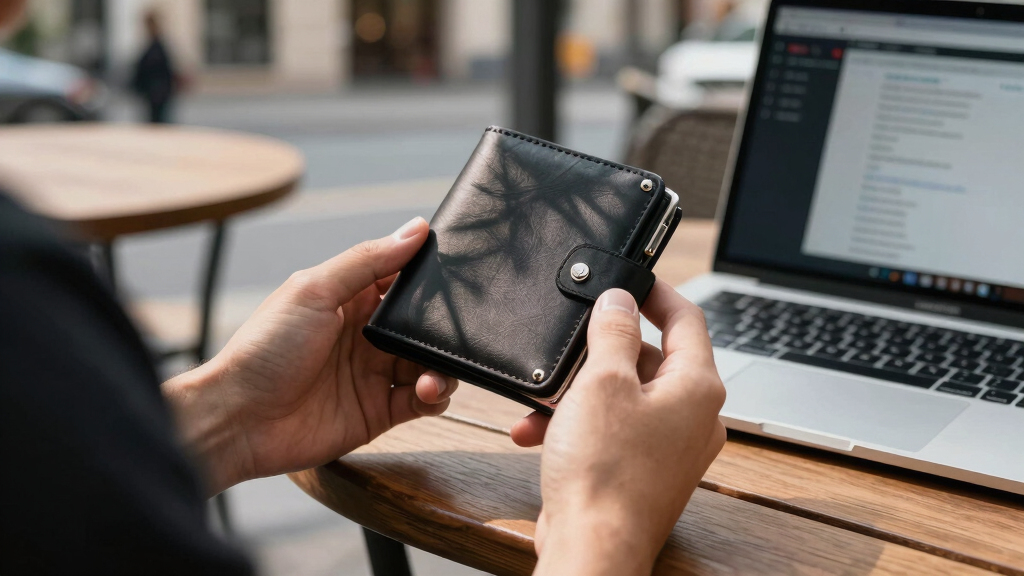
Crypto hardware wallets are physical devices that securely store private keys offline, drastically reducing hacking risks. Recent updates improve security, support for DeFi and NFTs, and user experience. Choosing the right one depends on your needs and security level.
Imagine a tiny, sleek device that keeps your crypto safe even if your computer gets hacked. That’s what a crypto hardware wallet does. It’s like a digital safe that fits in your pocket, shielding your private keys from online threats.
If you’re serious about protecting your crypto stash—whether it’s a few thousand dollars or a fortune—understanding hardware wallets is a must. They’ve evolved fast, adding features that make them more secure and user-friendly. This article breaks down what makes them special, recent innovations, and how you can pick the perfect one for your needs.
Crypto hardware wallets store private keys offline, making them far more secure than online or software options.
Choose a device with secure elements, multi-asset support, and a user-friendly interface to match your needs.
Recent updates include biometric security, DeFi and NFT support, and wireless connectivity—making wallets more versatile.
Always buy from reputable sources, keep firmware updated, and safeguard your recovery seed meticulously.
No device is 100% invulnerable; user vigilance remains essential for maintaining crypto security.
What Makes Crypto Hardware Wallets the Safest Storage Option?
Crypto hardware wallets are physical devices designed to securely store private keys. Unlike keeping your crypto on an exchange or a software wallet, they keep your keys offline—completely disconnected from the internet. This separation drastically reduces the attack surface for hackers, who often exploit online vulnerabilities to access private keys.
Picture a tiny USB stick, but instead of just files, it holds the keys that unlock your crypto. When you want to send funds, the device signs the transaction inside itself, never revealing the key. This process ensures that even if your computer is compromised, your private keys remain protected within the hardware. The critical advantage here is that the private key never leaves the device, making remote hacking attempts virtually impossible.
Their security features include PIN codes, passphrases, tamper-resistant chips, and recovery seeds—words you write down to restore access if the device breaks. These elements create multiple layers of defense: physical security, encryption, and backup options. The combination of hardware security and strict protocols makes crypto hardware wallets the gold standard for long-term storage, especially in an environment where online threats are continually evolving. However, users must understand that these devices are not invincible; proper handling and secure backup procedures are essential to maintain security.
As an affiliate, we earn on qualifying purchases.
How Do You Spot a Top-Notch Crypto Hardware Wallet?
Choosing a hardware wallet isn’t just about brand names. It’s about understanding how specific features impact security and usability, and why these features matter in real-world scenarios. For example, secure element chips—tamper-proof hardware components—are crucial because they prevent physical extraction of private keys even if the device is physically compromised. A device with a certified secure element, like Ledger Nano X with CC EAL5+ certification, offers higher assurance against physical tampering.
Multi-currency support is important if you hold a diverse portfolio; a wallet supporting hundreds of tokens reduces the need for multiple devices and minimizes complexity. User interface design—such as clear menus and compatibility with mobile or desktop apps—affects how easily you can manage your assets without risking errors that could lead to loss. Recovery options, like a robust seed phrase system, are vital in case the device is lost or damaged; a well-implemented backup process ensures you can restore access without exposing your private keys.
Build quality and price are also considerations. Devices range from affordable basic models to premium options with advanced features like Bluetooth connectivity and color touchscreens. Your choice should balance security, convenience, and budget, with an understanding that investing in higher-quality hardware can provide peace of mind in protecting your valuable assets.
As an affiliate, we earn on qualifying purchases.
What Are the Latest Upgrades Making Hardware Wallets Smarter?
Crypto hardware wallets are not standing still. Recent updates focus on security enhancements, user convenience, and expanding their capabilities beyond simple storage. Incorporating biometric authentication—such as fingerprint sensors—adds an extra layer of security by ensuring that only authorized users can access the device. This reduces the risk of unauthorized physical access, especially in shared or insecure environments.
Firmware updates are now more frequent and vital. They patch vulnerabilities, fix bugs, and often introduce new features, ensuring the device remains resilient against emerging threats. For example, a firmware update might include improved anti-phishing measures or better integration with third-party apps, which enhances overall security and usability.
Support for decentralized finance (DeFi) platforms and non-fungible tokens (NFTs) represents a significant leap. These updates enable users to connect directly to DeFi protocols or securely store and manage NFTs without exposing private keys or risking exposure to malicious sites. This integration turns hardware wallets into versatile gateways into the expanding blockchain ecosystem.
Wireless connectivity options, like Bluetooth or NFC, are also gaining traction. They allow managing assets from smartphones without cables, but they come with additional security considerations. Proper use of these features—such as disabling Bluetooth when not in use and keeping firmware updated—is essential to mitigate potential attack vectors. As technology advances, expect to see even more innovative features that balance security with ease of use, making hardware wallets more adaptable to evolving user needs.
hardware wallet with biometric security
As an affiliate, we earn on qualifying purchases.
As an affiliate, we earn on qualifying purchases.
Frequently Asked Questions
Are hardware wallets completely immune to hacking?
While hardware wallets are designed to be highly secure and resistant to remote hacking, no device can be be completely invulnerable. Physical tampering, supply chain attacks, or user negligence can still pose risks. Proper handling, regular firmware updates, and secure storage of recovery seeds are critical to minimize vulnerabilities and ensure maximum security.
Can I store multiple cryptocurrencies on one hardware wallet?
Yes, most hardware wallets support a wide range of cryptocurrencies and tokens. For example, Ledger Nano X supports over 1,800 assets, which allows users to manage multiple assets within a single device. This multi-asset support simplifies portfolio management, reduces the need for multiple devices, and streamlines security by consolidating storage. However, it’s important to verify that the specific coins and tokens you hold are supported and to understand the security implications of managing many assets on one device.
How difficult is it to set up a hardware wallet for a beginner?
Setting up a hardware wallet is generally straightforward, with most manufacturers providing step-by-step instructions and user-friendly interfaces. The process typically involves initializing the device, creating a PIN, and writing down a recovery seed. While some technical familiarity helps, many users find the setup manageable, especially with online tutorials and customer support. Proper setup is crucial because it establishes the foundation for secure storage; taking the time to understand each step ensures your assets are protected from the start.
What should I do if I lose my recovery seed?
The recovery seed is your ultimate backup. If lost, you risk losing access to your assets permanently if the device fails or is stolen. To prevent this, store the seed securely and offline, in a location only you can access. Never share it with anyone. If you lose the seed, there is no way to recover your private keys, which means your assets could be unrecoverable. Therefore, safeguarding this seed is paramount for long-term security and access control.
Are wireless hardware wallets safe?
Wireless or Bluetooth-enabled wallets offer added convenience by allowing management of assets from smartphones or tablets. However, they introduce additional security considerations, such as potential vulnerabilities in wireless communication channels. Proper use involves ensuring firmware is always up-to-date, disabling wireless features when not in use, and using the device only in trusted environments. While they can be safe when used correctly, users should weigh the convenience against the slightly increased risk and adhere to best security practices to mitigate potential attack vectors.
multi-asset crypto hardware wallet
As an affiliate, we earn on qualifying purchases.
As an affiliate, we earn on qualifying purchases.
Conclusion
Crypto hardware wallets are your best line of defense against online theft. Their evolving features continue to make them safer and more convenient, especially as blockchain applications expand.
Investing in a hardware wallet isn’t just about security—it’s about peace of mind. As your crypto grows, so should your safeguards. Keep your device safe, stay updated, and your digital treasure will be protected for the long haul.
Halloween Picks
halloween
As an affiliate, we earn on qualifying purchases.