
Behind the scenes, advanced security tech works quietly to protect your exchanges without disrupting your experience. Multi-factor authentication and biometric methods make it harder for unauthorized access, while encryption keeps your data safe during transfers. Regular updates and threat awareness make certain your system stays resilient against cyber risks. These seamless safeguards operate invisibly, maintaining smooth interactions. If you’re curious about how these silent technologies keep your exchanges secure, there’s more to discover in the details ahead.
Key Takeaways
- Advanced encryption protocols like TLS secure data during transmission without disrupting user experience.
- Multi-factor authentication methods enhance security seamlessly through biometric and one-time codes.
- Continuous system updates adapt to emerging cyber threats, maintaining robust security behind the scenes.
- Invisible security measures, such as device recognition and silent monitoring, protect exchanges without user interference.
- Modern, unobtrusive technologies balance strong security with smooth, user-friendly digital interactions.
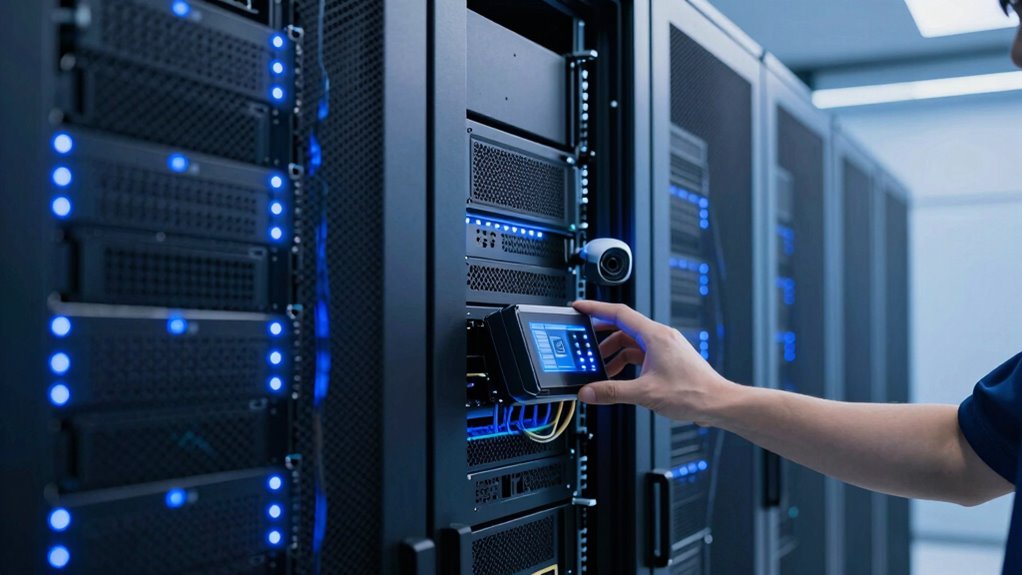
Have you ever wondered how modern exchanges stay secure without disrupting user experience? It’s a combination of advanced yet unobtrusive technologies working behind the scenes that make this possible. At the core of this security are two vital components: user authentication and data encryption. These elements operate silently, ensuring your transactions remain safe without adding cumbersome steps or slowing down your activities.
User authentication is the first line of defense. Instead of relying on outdated passwords alone, many exchanges now implement multi-factor authentication (MFA). With MFA, you might verify your identity through a fingerprint, a one-time code sent to your phone, or biometric data. This layered approach makes it significantly harder for unauthorized users to gain access, all while keeping the login process quick and seamless. Modern authentication methods focus on balancing security and convenience—so you don’t have to sacrifice ease of use for safety.
Multi-factor authentication enhances security while ensuring quick, seamless login experiences for users.
Alongside user authentication, data encryption ensures that your information stays protected during transmission and storage. When you send sensitive data, such as account details or financial information, encryption converts it into an unreadable format that only authorized parties can decode. This means that even if someone intercepts your data during a transaction, they can’t understand or misuse it. Encryption algorithms are constantly refined to stay ahead of potential cyber threats, providing a secure layer that operates invisibly in the background. Moreover, the importance of color accuracy in maintaining the integrity of visual data can’t be overlooked, especially as visual content becomes more prevalent in digital interactions. Keeping encryption methods up-to-date is crucial as cyber threats evolve, emphasizing the need for continuous advancements in cybersecurity technologies. Additionally, employing encryption protocols like TLS helps ensure data security during online transactions, adding an extra layer of protection. Staying informed about emerging cyber threats is essential for maintaining the effectiveness of these security measures.
These technologies work together to create a secure environment without making you feel like you’re navigating a fortress. Instead of intrusive security checks, they provide a smooth experience, allowing your interactions to flow naturally. For example, encryption protocols like TLS (Transport Layer Security) are automatically applied whenever you access an exchange website or app, ensuring data is encrypted from the moment it leaves your device until it reaches the server. Likewise, authentication systems are designed to recognize your device or biometric markers, reducing the need for repeated logins and reducing friction.
Furthermore, continuous updates to these systems are vital for maintaining their effectiveness against evolving cyber threats, ensuring your data remains protected at all times.
In essence, the quiet tech behind better exchange security is about smart, invisible safeguards. It’s about striking the right balance—protecting your sensitive information without making the process cumbersome. As these technologies continue to evolve, you can expect even more streamlined security measures that keep your digital assets safe while maintaining a user-friendly experience. This silent but powerful infrastructure is what lets you trade and transfer with confidence, knowing your security is built into the very fabric of the system.

Yubico – YubiKey 5C NFC – Multi-Factor authentication (MFA) Security Key and passkey, Connect via USB-C or NFC, FIDO Certified – Protect Your Online Accounts
- Security Type: Multi-Factor Authentication (MFA)
- Compatibility: Works with 1000+ accounts
- Connection Options: USB-C and NFC
As an affiliate, we earn on qualifying purchases.
As an affiliate, we earn on qualifying purchases.
Frequently Asked Questions
How Does Quiet Tech Detect Potential Security Breaches?
You can rely on quiet tech to detect potential security breaches through behavior analysis and anomaly detection. It continuously monitors network activities, identifying unusual patterns or deviations from typical behavior. When it spots anomalies, it alerts you before any damage occurs. This proactive approach helps you catch threats early, maintaining the security of your exchange systems without disrupting normal operations. Quiet tech works behind the scenes, providing peace of mind.
What Industries Benefit Most From Quiet Security Technology?
Like a silent guardian, quiet security tech shields sensitive data without disrupting operations. You’ll find industries like finance, healthcare, and government benefit most from its discreet protection, as they handle confidential information requiring subtle security measures. Industry adoption grows as privacy considerations become paramount, allowing organizations to defend against breaches while maintaining user trust. This technology seamlessly integrates, offering enhanced security without drawing attention or hindering daily workflows.
Are Quiet Security Solutions Difficult to Implement?
Quiet security solutions aren’t necessarily difficult to implement, but they do require careful planning to guarantee user privacy and system scalability. You might need to integrate specialized tools smoothly into your existing infrastructure, which could involve some technical adjustments. However, with proper guidance and support, you can enhance security without disrupting user experience or overloading your system, making the process manageable and effective.
How Does Quiet Tech Impact User Experience?
Quiet tech enhances your user experience by maintaining user privacy without interrupting your workflow. It seamlessly integrates into systems, ensuring stability and smooth operation while providing robust security. You won’t notice constant alerts or disruptions, allowing you to focus on your tasks. This unobtrusive approach boosts confidence, knowing your data stays private, and your system remains reliable, all without compromising ease of use or performance.
What Is the Cost Comparison With Traditional Security Methods?
Imagine you’re in a time machine—quiet tech’s cost analysis often shows it’s more affordable than traditional security methods. You’ll likely save on hefty hardware, maintenance, and ongoing expenses. When considering your budget considerations, quiet tech offers a streamlined, low-profile solution that minimizes disruptions and costs. It’s an investment that keeps your exchange secure without breaking the bank, making it a smarter, economical choice over old-school, costly security systems.
As an affiliate, we earn on qualifying purchases.
Conclusion
Just like a quiet lighthouse guides ships safely through storms, these behind-the-scenes tech safeguards your exchange, often unnoticed but essential. Imagine a trader who thought their assets were secure—until a breach was thwarted by this silent guardian. Studies show that robust, understated security measures reduce breaches by 40%. Remember, it’s the unseen efforts that keep your digital world safe—like the lighthouse, they shine brightest when the storm is at its worst.
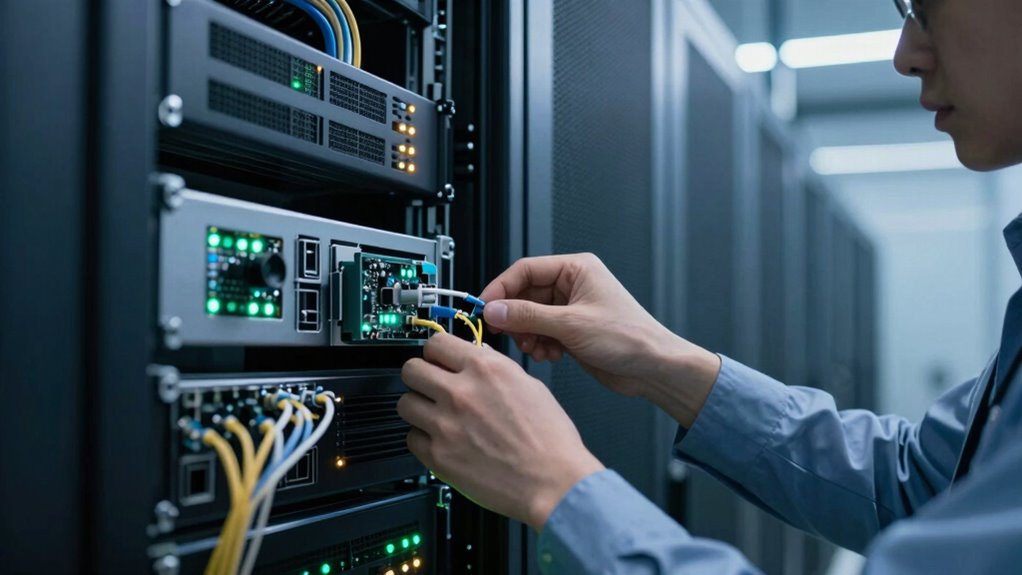
encryption hardware security module
As an affiliate, we earn on qualifying purchases.
As an affiliate, we earn on qualifying purchases.
As an affiliate, we earn on qualifying purchases.