

Peer-to-peer validation matters in a cloud world because it strengthens data integrity, security, and transparency by sharing responsibility among users instead of trusting just a central authority. It makes the system more resilient to attacks and errors, as multiple sources verify data. This approach also speeds up consensus and scales easily for real-time applications. By embracing decentralized technologies, you build a more trustworthy and efficient environment—stay with us to discover how this revolutionizes cloud systems.
Key Takeaways
- Peer-to-peer validation enhances data integrity by relying on multiple independent sources rather than a single authority.
- Distributed validation improves system resilience against attacks, outages, and data corruption.
- It enables faster consensus and scalability, supporting real-time cloud applications.
- Shared responsibility fosters transparency and accountability among network participants.
- Underlying technologies like blockchain strengthen trust and security in cloud ecosystems.

In today’s cloud ecosystem, peer-to-peer validation is transforming how data integrity and trust are maintained without relying solely on centralized authorities. This shift toward decentralized trust means you no longer depend exclusively on a single entity or third-party to verify information. Instead, you actively participate in a network where peers validate each other’s data, creating a more resilient and transparent system. Peer verification enables you to confirm data authenticity through multiple independent sources, reducing the risk of errors or malicious manipulation. This approach fosters a collective form of trust, where the validity of information depends on consensus rather than a single gatekeeper.
Peer-to-peer validation builds a resilient, transparent, and consensus-driven cloud ecosystem.
You benefit from the increased security that peer-to-peer validation offers. In traditional cloud models, a centralized authority is vulnerable to attacks, outages, or corruption. But when data validation relies on multiple peers, it becomes much harder for malicious actors to compromise the system. Each peer acts as a checkpoint, contributing to a layered defense that maintains data integrity even if some nodes are compromised. This decentralized trust model not only enhances security but also boosts transparency, as you can trace the validation process across multiple sources, making it easier to identify inconsistencies or fraudulent activity. Additionally, the distributed nature of these networks supports ongoing innovation and adaptation to emerging security threats. Embracing blockchain technology and similar systems further solidifies the reliability of peer validation processes.
Peer verification also improves the efficiency and scalability of cloud services. Instead of waiting for a centralized authority to approve or verify data, the network quickly reaches consensus through peer interactions. This distributed process reduces bottlenecks, speeds up data validation, and allows the system to scale more smoothly as more peers join. When you participate in or rely on a peer-to-peer validation network, you experience faster transaction speeds and more reliable data exchanges, especially important in real-time applications such as financial transactions, supply chain tracking, or collaborative platforms. Moreover, understanding the underlying technology can help you better appreciate how these systems maintain their robustness and security. Recognizing the role of decentralized trust can also help you evaluate the reliability of different validation networks in various contexts.
Furthermore, peer validation fosters a sense of shared responsibility. You become an active participant in maintaining the integrity of the system, rather than just a passive recipient of validated data. This participatory approach encourages transparency and accountability among network members, which is critical in a cloud world where data flows across multiple organizations and jurisdictions. As a user, you gain confidence knowing that your data is validated through a collective effort, reducing dependence on potentially opaque or biased centralized authorities. An understanding of regional flavors and regional insights can also enhance the overall trustworthiness of data in local contexts. Overall, peer-to-peer validation not only preserves trust but also empowers you to take part in building a more secure, transparent, and efficient cloud ecosystem.

TANGEM Crypto Wallet Pack of 3 – Trusted Cold Storage Hardware Wallet
- Proven Security: 9+ years, military-grade EAL6+ security
- Easy Blockchain Access: Manage 90 blockchains with one tap
- Wide Cryptocurrency Support: Access 14,100+ coins, tokens, NFTs
As an affiliate, we earn on qualifying purchases.
As an affiliate, we earn on qualifying purchases.
Frequently Asked Questions
How Does Peer-To-Peer Validation Improve Data Accuracy in Cloud Systems?
Peer-to-peer validation enhances data accuracy in cloud systems by enabling distributed consensus among nodes, making certain everyone agrees on data states. You verify data through multiple sources, reducing errors and false information. This decentralized approach ensures data integrity, as each node confirms the accuracy before updates are accepted. Consequently, peer-to-peer validation creates a more reliable, transparent system where data verification occurs collectively, strengthening trust and consistency across your cloud environment.
What Are the Main Security Concerns With Peer-To-Peer Validation?
Oh, the joys of trust vulnerabilities—your data’s safety is only as strong as your validation protocols. In peer-to-peer validation, hackers love exploiting weak spots, potentially injecting false data or impersonating nodes. These security concerns threaten the system’s integrity, risking data breaches and manipulation. You must rigorously design validation protocols to guarantee authenticity, keeping malicious actors at bay and maintaining trust in your cloud network.
Can Peer-To-Peer Validation Replace Centralized Authority Completely?
Peer-to-peer validation can’t fully replace centralized authority because it relies on decentralized trust, which isn’t always as reliable or scalable. While it promotes authority independence and transparency, it may struggle with consistency and security in large networks. You benefit from increased resilience and reduced single points of failure, but for critical systems, a hybrid approach that combines decentralization with centralized oversight offers the best balance of trust and control.
How Scalable Is Peer-To-Peer Validation in Large Cloud Networks?
Imagine a vast web of interconnected nodes, each one a vigilant guardian. In large cloud networks, peer-to-peer validation scales through distributed consensus, where each node collaborates to verify data. This approach enhances network resilience, preventing single points of failure. While complexities grow, the decentralized nature allows the system to adapt and expand, maintaining trust and security even as the network reaches massive proportions.
What Industries Benefit Most From Peer-To-Peer Validation?
You’ll find industries like finance, healthcare, and supply chain management benefit most from peer-to-peer validation. They rely on distributed trust and decentralized verification to enhance security, reduce fraud, and improve transparency. By enabling direct validation between entities, these industries can cut costs and increase efficiency. Peer-to-peer validation empowers organizations to build resilient systems that don’t depend solely on centralized authorities, making processes more trustworthy and robust in a cloud-driven world.
decentralized cloud storage device
As an affiliate, we earn on qualifying purchases.
As an affiliate, we earn on qualifying purchases.
Conclusion
Even in a cloud-driven world, peer-to-peer validation remains your lighthouse in a foggy sea of data. It guides you through the murky waters, ensuring trust and accuracy aren’t lost amidst the vast digital storm. Relying solely on centralized systems is like sailing without a compass—you risk drifting off course. Embracing peer validation keeps you anchored, confident that your data is genuine and your journey is secure, no matter how turbulent the cloud becomes.

Lean Innovation 3.0: From Startup Methodology to AI-Powered Venture Building
As an affiliate, we earn on qualifying purchases.
As an affiliate, we earn on qualifying purchases.
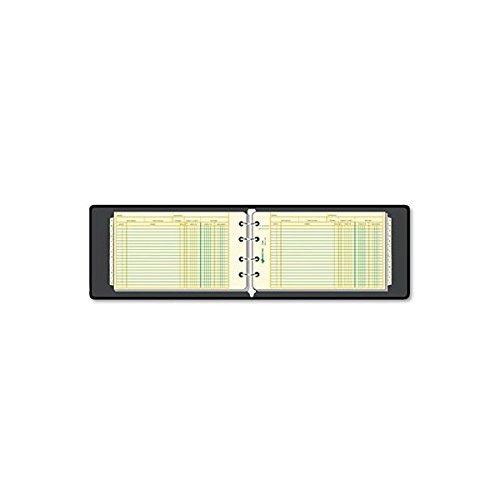
National Brand Four-Ring Ledger Binder Kit, 100 Ledger Sheets, 8 1/2 x 5 1/2
- Includes one ledger binder kit: Contains 100 ledger sheets
- Size: 8.5 x 5.5 inches
- Product ID: 00073333634532
As an affiliate, we earn on qualifying purchases.
As an affiliate, we earn on qualifying purchases.