
You might find it alarming that Austin Michael Taylor, the founder of CluCoin, was sentenced to 27 months in prison for wire fraud. He misused around $1.14 million from investors, diverting funds to online gambling. While the project initially aimed for philanthropy, trust eroded quickly as financial losses mounted. The court's decision raises questions about accountability in the ever-changing cryptocurrency landscape. What does this mean for future investors and the integrity of crypto projects?

Austin Michael Taylor, the founder of the CluCoin cryptocurrency project, was sentenced to 27 months in prison for wire fraud, marking a significant turn in the Miami-based token's controversial journey. Launched on May 19, 2021, CluCoin initially captured attention with its philanthropic focus, promising to make a positive impact while gaining traction on the BNB Chain.
However, the project's reputation suffered greatly after Taylor misused approximately $1.14 million in investor funds for online gambling between May and December 2022. The funds were ultimately lost through online gambling, resulting in significant financial loss for investors.
After pleading guilty to one count of wire fraud in August 2024, Taylor faced a maximum statutory sentence of 20 years but received a relatively lenient term of 27 months. In addition to prison time, he must undergo three years of supervised release and pay restitution and forfeiture totaling $1.14 million.
This outcome underscores the serious nature of financial misconduct in the cryptocurrency space, as many investors watched their hopes for financial growth diminish.
You might be surprised to learn that the funds were transferred from a cryptocurrency address to Taylor's personal account before being lost at online casinos. Victims of this fraud were notified through NFTs and encouraged to report any information to the FBI.
The prosecution team, led by Assistant U.S. Attorney Manolo Reboso, worked diligently to bring Taylor to justice, ensuring that the message about accountability in crypto fraud was heard loud and clear.
Despite his request for probation, which highlighted his military service and completed mental health treatment, the court ultimately sided with prosecutors. They argued that a prison sentence was necessary to deter similar fraudulent activities in the future.
Taylor's involvement with Gamblers Anonymous didn't sway the court's decision either; the severity of his actions demanded a firm response.
Beyond the immediate legal consequences, the CluCoin project had ventured into various initiatives, including minting "Goobers" NFTs, developing a play-and-earn web3 game called Gridlock, and organizing NFTCon in Miami in 2022.
However, these attempts at expansion now seem overshadowed by the financial turmoil caused by Taylor's misconduct.
As you reflect on this case, consider the broader implications of such fraud in the cryptocurrency world. The fallout affects not just the founder but the entire community, raising questions about investor trust and the future of projects like CluCoin.

TANGEM Crypto Wallet Pack of 2 – Trusted Cold Storage Hardware Wallet for Bitcoin, Ethereum, NFTs & Altcoins – 100% Offline Crypto Cold Wallet
Proven security at scale: Over 9 years and millions of cards issued with no known remote hacks, while…
As an affiliate, we earn on qualifying purchases.
As an affiliate, we earn on qualifying purchases.
TANGEM Crypto Wallet Pack of 2 – Trusted Cold Storage Hardware Wallet for Bitcoin, Ethereum, NFTs & Altcoins – 100% Offline Crypto Cold Wallet
Proven security at scale: Over 9 years and millions of cards issued with no known remote hacks, while…
As an affiliate, we earn on qualifying purchases.
As an affiliate, we earn on qualifying purchases.
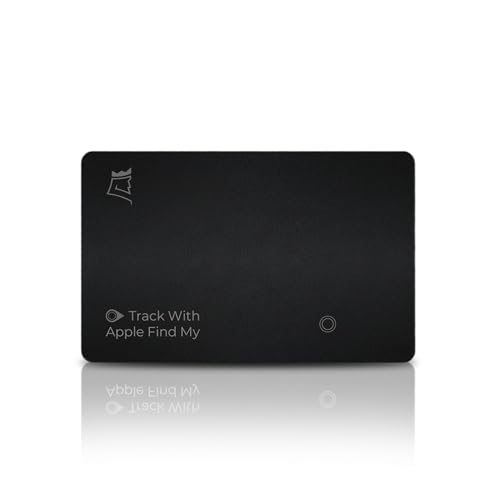
Kings Loot Trackable Tracker Card | Compatible with Apple Find My Compatible App | Ultra-Slim Wallet Tracker| Long Battery Life | Water-Resistant & Durable | Must-Have Travel Essentials
Apple Find My Compatible Tracker Card: Seamlessly integrates with the Apple Find My app, allowing you to easily…
As an affiliate, we earn on qualifying purchases.
As an affiliate, we earn on qualifying purchases.

When the Odds Turn Against Them: A Science-Based Guide for Families Navigating Teen Gambling, Sports Betting, and Crypto Trading Addiction
As an affiliate, we earn on qualifying purchases.
As an affiliate, we earn on qualifying purchases.