
TL;DR

Get hardware and tech essentials delivered free with Prime
- Fast, free delivery on millions of items
- Prime Video, Amazon Music and more included
- Member-only deals all year
Hardware crypto wallets are dedicated devices that keep private keys offline, drastically reducing remote hacking risks. They protect your assets if used correctly, with strong backups and careful transaction verification. But they aren’t foolproof—human error and supply chain issues remain risks.
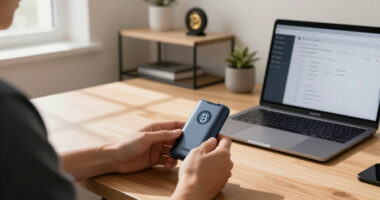
Imagine holding a physical key to your digital treasure chest. That’s what a hardware crypto wallet offers—an isolated, tamper-resistant device that keeps your private keys safe from hackers lurking online.
In this guide, you’ll see how these devices work, what makes them so secure (and where they can fall short), and practical tips to turn them into your strongest line of defense. Whether you’re holding a small stash or a sizable fortune, understanding these tools can mean the difference between peace of mind and heartbreak.
Always verify transaction details on the device’s screen before signing.
Use a durable, offline backup for your recovery phrase—metal plates are best for fire and water resistance.
Choose a wallet with open firmware or transparent supply chain practices for better trust.
Multisignature setups add significant security but require careful key management.
Test recovery procedures regularly to avoid surprises during emergencies.
What Makes a Hardware Wallet Actually Secure?
Hardware wallets are designed to isolate private keys from internet threats. When you sign a transaction, it happens inside the device, not on your computer or phone. This keeps malware, phishing, and remote hacks at bay.
For example, a popular device like Ledger Nano X uses a secure element chip—much like the chips in credit cards—that resists physical extraction of secrets. Meanwhile, open-source wallets like Coldcard give you full access to the firmware source code, allowing independent audits and transparency.
Key features include:
- Private-key isolation: Keys never leave the device unencrypted.
- On-device verification: You check transaction details on the device’s screen.
- Recovery backup: Use seed phrases or Shamir shares to restore access if the device fails.
Deeply understanding these features reveals why hardware wallets are considered a gold standard for security. By keeping private keys isolated, they minimize the attack surface—especially critical given the sophistication of modern hacking techniques. The on-device verification acts as a final checkpoint, ensuring that even if your computer is compromised, the transaction details are authentic. The backup options provide resilience, but their security depends heavily on user practices—poor management can undermine even the most secure device.
As an affiliate, we earn on qualifying purchases.
How Hardware Wallets Protect You from the Biggest Threats
The real power of hardware wallets is shielding your keys from malware and phishing. If your PC gets infected or you click a malicious link, your assets stay safe because the private keys are never exposed to the compromised device.
For instance, if someone tricks you into signing a malicious transaction via a phishing email, your hardware wallet’s display prompts you to verify every detail. If the address or amount looks wrong, you can reject it—saving your assets from draining.
But beware: hardware wallets can’t protect against all risks, like entering your seed phrase into a fake website or approving a scam smart contract.
Understanding these limits is vital. While hardware wallets drastically reduce remote hacking risks, they do not eliminate human error or social engineering. Attackers often exploit user trust or manipulate physical security—such as convincing someone to reveal their seed phrase or tampering with the device during supply chain delivery. Recognizing these vulnerabilities emphasizes that hardware wallets are a critical part of security, but not a complete solution. Complementary practices like vigilant verification, operational security, and trusted supply chains are essential to truly safeguard your assets.
As an affiliate, we earn on qualifying purchases.
The Secrets Behind Recovery Phrases, PINs, and Passphrases
Your backup plan is only as strong as your recovery phrase. Think of it as the master key—usually 12, 18, or 24 words—that can restore your entire wallet if the device is lost or broken.
For example, a user might generate a 24-word phrase, write it down on a metal backup plate, and store it securely in a safe. If their device gets damaged, they can restore everything on a new wallet.
But confusion around PINs and passphrases is common. A PIN protects access to the device itself. A passphrase adds an extra layer, creating a different wallet. Forget the passphrase, and funds could become permanently inaccessible.
Deep understanding of these security layers reveals their implications. The recovery phrase is the ultimate fallback, but its security depends on physical safekeeping. The PIN is a first line of defense against unauthorized access if the device is stolen. The passphrase acts as an additional barrier, but it introduces complexity—forgetting it can lock you out permanently. Balancing convenience and security is key; overly complex setups increase the risk of user error, while too simple can be vulnerable. Proper education on managing these elements is crucial to prevent irreversible losses.
As an affiliate, we earn on qualifying purchases.
Choosing Between Secure Element and Open Hardware Designs
Some wallets use tamper-resistant chips called secure elements—think of them as high-tech safes built to resist physical attacks. Others prioritize transparency, with open hardware and firmware you can review yourself.
For example, Ledger’s secure element chips have certifications like CC EAL6+ but are closed-source, making independent audits tricky. Conversely, Coldcard’s open-source firmware allows anyone to scrutinize the code but relies on the physical security of the hardware itself.
Trade-offs include:
| Secure Element | Open Hardware |
|---|---|
| Resists physical extraction and tampering through certified security features, making it highly resistant to physical attacks. However, the closed-source nature limits external verification, potentially hiding vulnerabilities. | Provides full transparency with open-source code, enabling community audits and increased trust. But, without certified security chips, it may be more vulnerable to physical tampering if not designed robustly. The physical security depends on the hardware design and manufacturing quality. |
Understanding these trade-offs helps users align their choice with their threat model—whether prioritizing physical security features or transparency for auditability—highlighting that no solution is universally perfect.
As an affiliate, we earn on qualifying purchases.
Are Air-Gapped Devices Really Safer?
An air-gapped wallet never connects directly to the internet—think of it as a vault with no windows. You sign transactions offline and then transfer data via QR codes or microSD cards.
For example, Coldcard can generate and sign transactions entirely offline, reducing remote hacking risks. But this added step can slow things down and introduce new attack vectors—like malicious QR codes or compromised firmware.
While air-gapped setups boost security, they demand careful workflow management. If you don’t verify QR codes properly, you could still approve malicious transactions. Additionally, physical security becomes even more critical—an attacker with physical access could tamper with the device or the transfer process. The complexity of managing offline signing workflows can lead to user mistakes, and these errors can undermine the security benefits. Therefore, while air-gapped devices significantly reduce remote attack vectors, they require disciplined operational procedures and physical security measures to be truly effective.
The Rise of Multisignature Wallets and Why They Matter
Single-signature wallets are simple—one key controls all assets. Multisignature wallets require multiple keys to authorize a transaction, like needing two out of three signatures.
Imagine a family holding crypto: a spouse, a lawyer, and a trusted friend each hold a key. No single person can move funds alone, adding a layer of security against theft or coercion.
For example, a 2-of-3 multisig setup can protect assets even if one device is lost or compromised. But it also complicates backup procedures and requires careful key management. The tradeoff is increased security at the expense of added operational complexity—users must coordinate key storage, recovery, and transaction signing protocols. Mismanagement can lead to locked funds or increased attack vectors if keys are stored insecurely. Recognizing these tradeoffs helps users decide if multisig aligns with their security needs and operational capacity.
Latest Trends: What’s Changing in Hardware Wallets?
The landscape is evolving fast. Today’s wallets focus more on clear signing—showing understandable transaction details—especially for smart contracts prone to scams.
Devices now often include touchscreens, cameras, and NFC for easier verification. Support for NFTs, DeFi, and Layer 2 networks expands the attack surface but offers more functionality.
Open-source scrutiny of firmware and supply chains is becoming standard, helping users identify compromised devices. Meanwhile, new protocols like account abstraction aim to simplify recovery and inheritance, shifting the focus from device security alone. These innovations reflect a trend toward more user-friendly and versatile security solutions, but each new feature introduces potential vulnerabilities that must be carefully managed.
What You Should Consider Before Buying a Hardware Wallet
Picking the right device isn’t just about brand. Think about supported assets, transaction types, and whether the device’s verification process is clear enough for your needs.
For example, if you hold many tokens across different blockchains, look for a wallet that supports them all. Test the recovery process with small amounts before risking your main funds.
Ask: Is the firmware open? Does it have a good security record? Can it work with your preferred software? And importantly, does the connection method match your threat model?
Frequently Asked Questions
Does a hardware wallet actually hold cryptocurrency?
Not directly. The blockchain records your assets. The wallet stores the private keys needed to control and spend those assets.
What happens if the device is lost or broken?
You can restore your assets on a new compatible device using your recovery phrase. If backups are missing, those assets are permanently lost.
Can someone steal funds with only the recovery phrase?
Yes. Once someone has your seed phrase, they can recreate your wallet and access your funds—so keep it secure and never share it online.
Can a hardware wallet be hacked?
No device is completely invulnerable. While hardware wallets greatly reduce remote threats, physical attacks, firmware flaws, and supply chain compromises remain risks.
Are hardware wallets safer than exchanges?
They generally are, because you control your keys. But with that control comes responsibility: backups, verification, and operational security are on you.
Conclusion
Your hardware wallet is a powerful tool—if used wisely. Think of it as a high-tech safe that demands careful handling, regular testing, and smart backup habits.
Remember, no device is invincible, but combined with vigilant verification and good operational security, it can turn your crypto holdings into a fortress—solid, resilient, and truly yours.
Columbus Day / Indigenous Peoples' Day Picks
long weekend sales
As an affiliate, we earn on qualifying purchases.