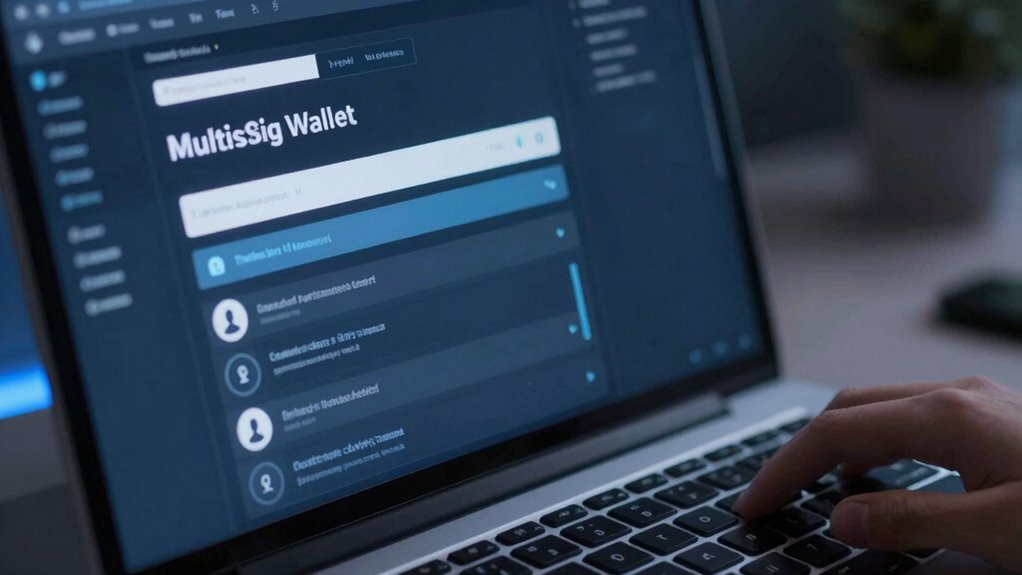

The hidden design challenge in multisig wallet UX is balancing strong security with user-friendliness. You may find the setup process complex, with multiple decisions about keys and permissions that can seem overwhelming. During use, delays and unclear guidance can frustrate you, risking wallet abandonment. Achieving a smooth experience while maintaining security requires thoughtful design choices and clear instructions. If you want to understand how to overcome these hurdles, keep exploring these critical considerations.

Get hardware and tech essentials delivered free — and shop member deals
- Fast, free delivery on millions of items
- Access to Prime Big Deal Days deals on October 6–7
- Prime Video, Amazon Music and more included
Key Takeaways
- Simplifying multisig setup without compromising security remains a core UX challenge.
- Clear communication of approval status is often lacking, causing user confusion.
- Automating complex configurations risks introducing security vulnerabilities if not carefully designed.
- Balancing multisig security features with intuitive interfaces is difficult, risking user errors.
- Educating users about security trade-offs is essential but often overlooked in design.
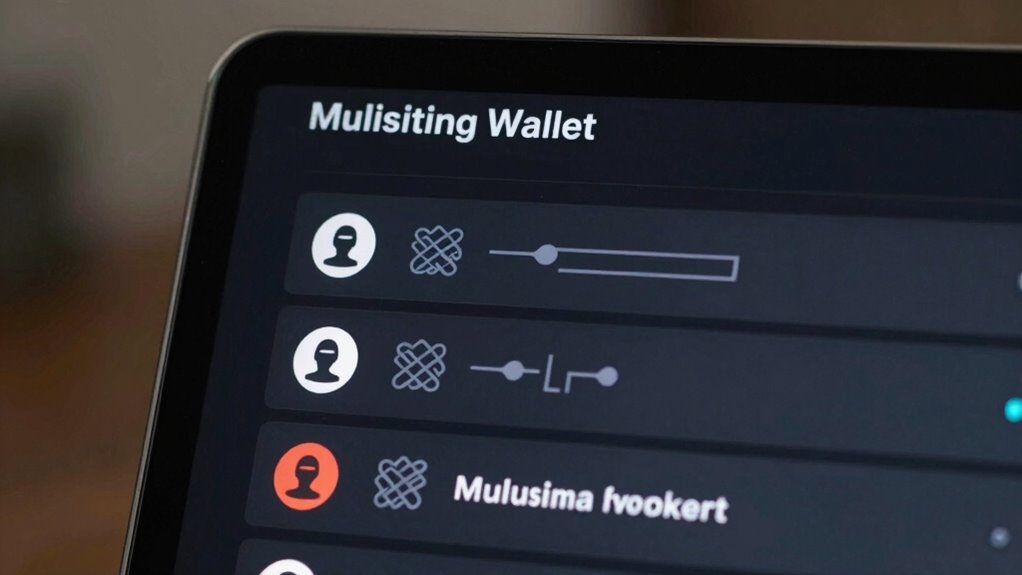
Multisignature wallets promise enhanced security by requiring multiple approvals for transactions, but their user experience often hides a critical challenge: balancing complexity with usability. When you’re onboarding to a multisig wallet, the process can seem overwhelming. You might find yourself navigating a maze of keys, permissions, and security configurations that aren’t immediately intuitive. This steep learning curve can cause frustration, especially for newcomers, and can lead to mistakes that compromise security rather than enhance it. The core issue lies in how these wallets are designed to prioritize security over simplicity, making the user onboarding process more cumbersome than it needs to be.
Multisig wallets often overwhelm new users with complex setup processes that prioritize security over ease of use.
From the start, you’re faced with decisions that involve understanding multiple private keys, setting up guardians, and managing different approval thresholds. These steps, while necessary for security, often feel intimidating for someone new to multisig wallets. Developers tend to assume a certain level of familiarity with blockchain technology, which isn’t always realistic for average users. The effort required to correctly configure the wallet can lead to errors, such as losing access to funds or accidentally exposing keys. This trade-off between security and ease of use becomes stark—improving security can inadvertently introduce barriers to proper onboarding, and vice versa. Incorporating user-centric design**** principles can help bridge this gap and make the process more approachable.
Security trade-offs are also at play during ongoing use. For example, requiring multiple signatures can slow down transactions, especially if the approval process involves multiple parties across different locations. This added layer of security, while critical for protecting assets, may inconvenience users seeking quick transactions. If the interface doesn’t clearly communicate the status of approvals or provide straightforward guidance, users might feel lost or frustrated, risking abandonment of the wallet altogether. The challenge is designing an experience that simplifies these complex processes without compromising the robust security benefits that multisig offers. Additionally, understanding the security trade-offs involved is crucial for both developers and users to make informed decisions about their setup and ongoing management.
Furthermore, integrating automated setup options** can reduce the initial configuration burden, but it’s essential to ensure these tools don’t weaken security. Ultimately, the key lies in streamlining user onboarding while maintaining security integrity. Good design should demystify multisignature processes, making them accessible without sacrificing safety. Clear instructions, intuitive interfaces, and automated setup options can help bridge this gap. But the fundamental challenge remains: how do you create a system that’s both secure and user-friendly? Achieving that balance requires thoughtful design choices that acknowledge the security trade-offs** involved and prioritize user understanding. Only then can multisig wallets fulfill their promise of offering both security and a seamless experience.
As an affiliate, we earn on qualifying purchases.
Frequently Asked Questions
How Do Multisig Wallets Handle Transaction Disputes?
Multisig wallets typically handle transaction disputes through dispute resolution mechanisms, often involving consensus among authorized signers. If disagreements arise, transaction arbitration becomes essential, where signers debate and vote on whether to approve or reject a transaction. Some wallets incorporate built-in dispute resolution features, while others rely on manual consensus, ensuring that no single party unilaterally completes transactions. This process helps maintain security and trust among multiple signers.
What Are Common User Errors in Multisig Wallet Setups?
You might stumble by misconfiguring signatories or setting incorrect approval thresholds, risking wallet security. The user interface can sometimes be confusing, leading to errors in key sharing or transaction approval steps. To avoid this, clear user education is vital, guiding you through setup processes and highlighting critical decisions. Think of it as reading the map carefully before setting out—proper instructions guarantee you won’t get lost along the way.
How Is Multisig Security Affected by User Interface Design?
Your multisig security heavily depends on user interface design, especially during user onboarding. Clear visual clarity guides you through complex steps, reducing errors and misconfigurations. When the interface simplifies processes and highlights critical security details, you’re less likely to make mistakes that compromise the wallet. A well-designed UI empowers you to understand multisig mechanisms, ensuring your assets stay protected while making the setup intuitive and trustworthy.
Can Multisig Wallets Be Integrated With Hardware Wallets Seamlessly?
Yes, multisig wallets can be integrated with hardware wallets seamlessly, but it requires a focus on user experience and usability improvements. You need to guarantee clear communication between devices, streamline the setup process, and minimize user errors. By prioritizing intuitive interfaces and thorough guides, you make the integration smoother, allowing users to confidently manage multisig security without hassle. This ultimately enhances overall usability and trust in the system.
What Are the Costs Associated With Multisig Wallet Implementation?
The costs of implementing a multisig wallet include development expenses, especially for creating a secure user interface and smooth user onboarding processes. You’ll also need to invest in audits to guarantee security and possibly hardware integration. Ongoing maintenance and support add to expenses. While initial costs can be high, a well-designed user interface and onboarding experience help reduce user errors, ultimately saving money and enhancing trust in your multisig solution.
multisignature wallet security device
As an affiliate, we earn on qualifying purchases.
As an affiliate, we earn on qualifying purchases.
Conclusion
Addressing the hidden design challenge in multisig wallet UX isn’t just about making it easier—it’s about ensuring security without sacrificing usability. While some might argue that complexity is unavoidable, thoughtful design can simplify multisig processes, empowering users without compromising safety. By prioritizing clarity and intuitive workflows, you create a more resilient system that’s accessible to all. Ultimately, overcoming this challenge elevates user confidence and trust, key ingredients for widespread adoption in the evolving crypto landscape.
blockchain multisig wallet key management
As an affiliate, we earn on qualifying purchases.
As an affiliate, we earn on qualifying purchases.
As an affiliate, we earn on qualifying purchases.
Halloween Picks
halloween
As an affiliate, we earn on qualifying purchases.