
📊 Full opportunity report: The High-End PC And Workstation Tax on ThorstenMeyerAI.com — validation score, market gap, and execution plan.

Get hardware and tech essentials delivered free with Prime
- Fast, free delivery on millions of items
- Prime Video, Amazon Music and more included
- Member-only deals all year
TL;DR
In 2026, memory costs have surged, making high-end PC and workstation builds more expensive and challenging for DIY builders. Prebuilt systems may now be more cost-effective, altering long-standing market rules.
Memory prices have surged dramatically in 2026, now accounting for up to 35% of a high-end PC’s cost, according to HP. This shift is forcing DIY builders and professionals to reconsider their purchasing strategies, as the traditional cost advantage of building your own machine diminishes or disappears.
In 2026, the cost of memory modules, particularly DDR5 RAM and high-capacity SSDs, has increased sharply. HP reported that memory now makes up roughly 35% of a PC’s bill of materials, up from 15–18% previously. For example, a 32GB DDR5 kit can cost around $369, matching the price of a high-end GPU and surpassing the CPU and SSD costs in some high-end PC builds. This inflation has caused premium builds to rise from $2,000 to as much as $4,500, with memory and storage as the primary cost drivers.
Market dynamics have shifted, making DIY PC building less financially advantageous. Unlike OEMs, which buy memory in bulk and hedge prices, individual consumers purchase at spot market rates, exposing them to volatile prices. As a result, prebuilt systems sometimes cost less than assembling a comparable custom build, contrary to past trends. Additionally, high-capacity modules for workstations—such as 96GB and 128GB DDR5 RDIMMs—are in short supply, further inflating costs for professionals needing these components.
The high-end PC & workstation tax
If you build your own machines or spec your team’s workstations, you’re the most exposed buyer in this market — no hedge, no bulk contract, just a parts cart and a number you used to ignore, now the biggest line on the invoice.
OEMs buy on bulk contracts and hold hedged stock; you pay the spot price on the day. The DIY builder is now the most exposed buyer in the chain — and the prebuilt is sometimes cheaper. Price it before you commit.
96GB & 128GB DDR5 RDIMMs are the scarcest, closest to the server memory makers prioritize. 64GB RDIMM could cost 2× by end-2026 vs early 2025. The parts that define a workstation are the ones squeezed hardest.
The squeeze didn’t just raise prices — it inverted the value system of high-end building. Buy big, buy early, build it yourself: each enthusiast virtue is now a way to overpay. Discipline beats ambition in 2026 — right-size hard, buy deliberately, lean on bundles, treat the prebuilt as a real price check. You can’t avoid the AI tax levied a layer up in the fabs; you can refuse to pay more of it than the job needs. Next: Cloud’s Hidden Memory Bill.
Impacts of Memory Cost Surge on High-End Builds
This shift fundamentally alters the economics of high-end PC and workstation construction. Builders and professionals now face significantly higher costs, with memory becoming the dominant expense. The traditional advantage of DIY assembly—cost savings—is eroding, prompting a reassessment of procurement strategies. For professionals, the increased expense on high-capacity, specialized memory modules may delay upgrades or increase project costs, affecting productivity and budgets.
As an affiliate, we earn on qualifying purchases.
2026 Memory Market Dynamics and Historical Trends
Over the past two decades, memory has been a relatively stable and affordable component, enabling enthusiasts and professionals to build high-performance systems affordably. The 2026 market upheaval is driven by supply chain disruptions, increased demand from hyperscalers, and a shift in manufacturer priorities toward high-margin server memory. HP’s recent financial disclosures highlight the rapid rise in memory’s share of total build costs, marking a significant departure from previous years when memory was a minor line item.
“Memory’s proportion of the bill of materials has nearly doubled in a single quarter, reflecting the ongoing supply constraints and demand surge.”
— HP investor report
As an affiliate, we earn on qualifying purchases.
Unresolved Questions About Future Memory Pricing
It remains unclear how long the memory price surge will persist and whether supply chain issues will stabilize within the year. The exact impact on OEM pricing strategies and the potential for new memory technologies to alleviate shortages are still developing. Additionally, the full effect on the secondary market and prebuilt system pricing is yet to be determined.
As an affiliate, we earn on qualifying purchases.
Strategic Responses to Memory Cost Increases in 2026
Builders and professionals should consider adjusting their procurement strategies by right-sizing component capacities, leveraging bundles for better pricing, and staging upgrades to mitigate costs. Monitoring market trends and locking in prices through bulk purchases or reservations could help avoid volatility. OEMs may also adjust their offerings, possibly leading to more prebuilt options that incorporate the current memory market realities.
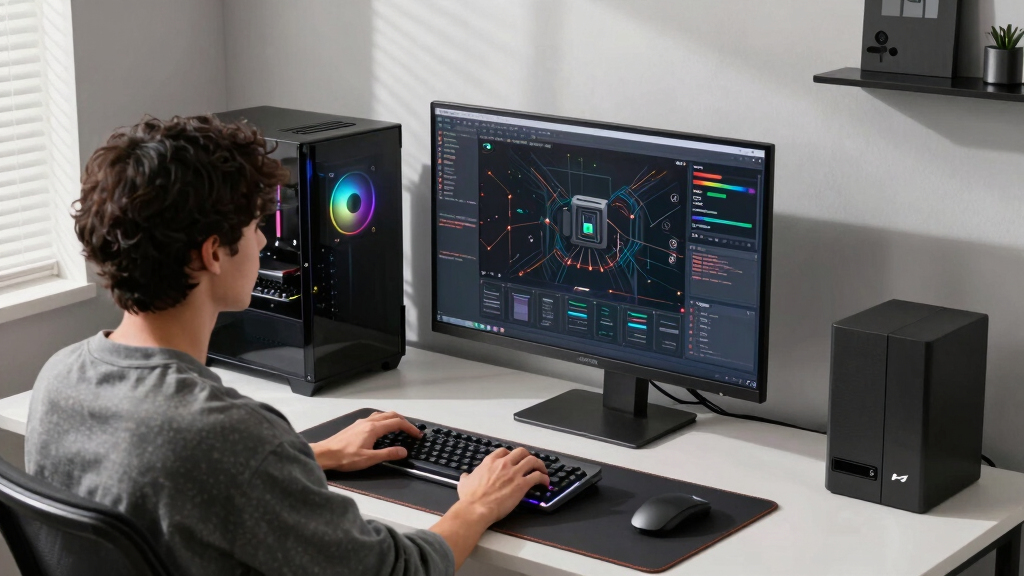
professional workstation with high RAM
As an affiliate, we earn on qualifying purchases.
As an affiliate, we earn on qualifying purchases.
Key Questions
Why has memory become so expensive in 2026?
Memory prices surged due to supply chain disruptions, increased demand from hyperscalers, and a shift in manufacturer focus toward high-margin server memory, reducing availability for consumer modules.
Does this mean building a high-end PC yourself is no longer cost-effective?
Not necessarily. While costs have increased, building your own PC still offers control and customization. However, the traditional cost advantage has diminished, and careful procurement strategies are now essential.
Are prebuilt systems now cheaper than custom builds?
In some cases, yes. OEMs can buy memory in bulk and hedge prices, sometimes passing savings on to consumers, making prebuilt systems more competitive financially in 2026.
How can professionals manage the high cost of workstation memory?
Professionals should consider staging their upgrades, buying in bundles, and locking in prices when possible, as well as reevaluating memory capacity needs to avoid overspending.
Will memory prices stabilize soon?
It is not yet clear when supply chain issues will resolve. Market analysts suggest prices may remain volatile through 2026, requiring ongoing strategic purchasing.
Source: ThorstenMeyerAI.com
Halloween Picks
halloween
As an affiliate, we earn on qualifying purchases.